What happens behind the scenes of a children’s science TV show?
Two of our young Whizz Pop Bang reporters, Kitty and Mimi, were invited to the recording studios for an exclusive sneak preview of CBBC’s Horrible Science Series 2. From costumes and props to green screen filming and amazing science facts, this first-hand report gives a fun glimpse into how science television is made. Over to you, Kitty and Mimi…
A Special Visit to the Horrible Science Set
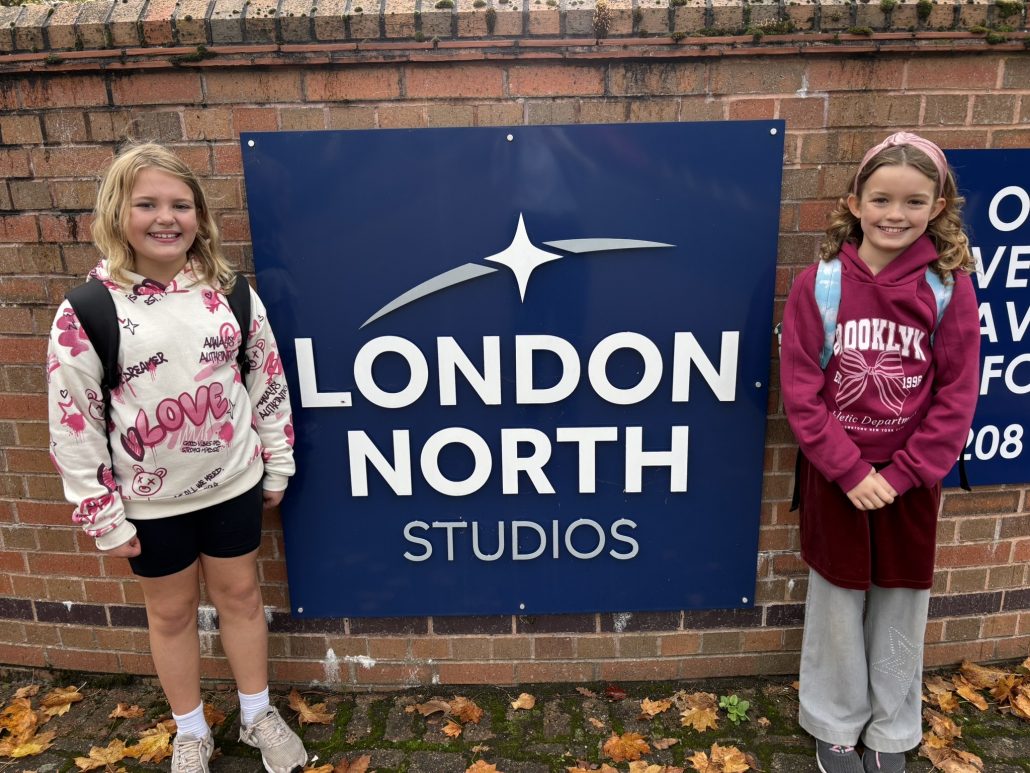
“We loved watching the first series of Horrible Science, so we were really excited to be invited to the set to watch the new series being filmed!
We were given lollipops in the studio reception while we waited for Simon Welton who makes the Horrible Science shows (as well as Horrible Histories – another of our favourites!)”
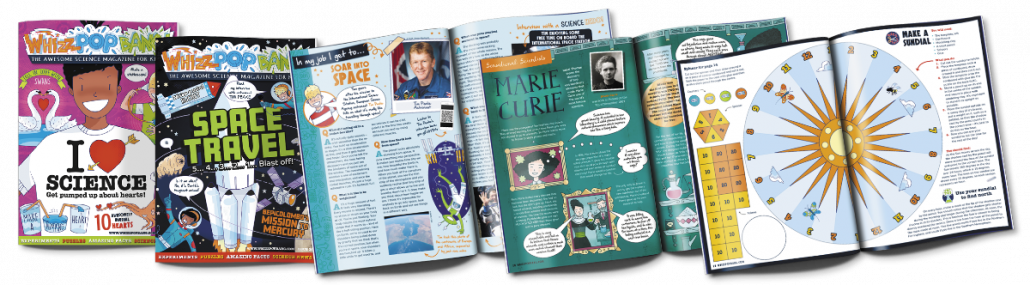
Love kids science? Click here to discover how to get Whizz Pop Bang science magazine delivered to the door every month – and to find out latest special offer!
Touring the Dressing Rooms, Props and Make-Up Studio
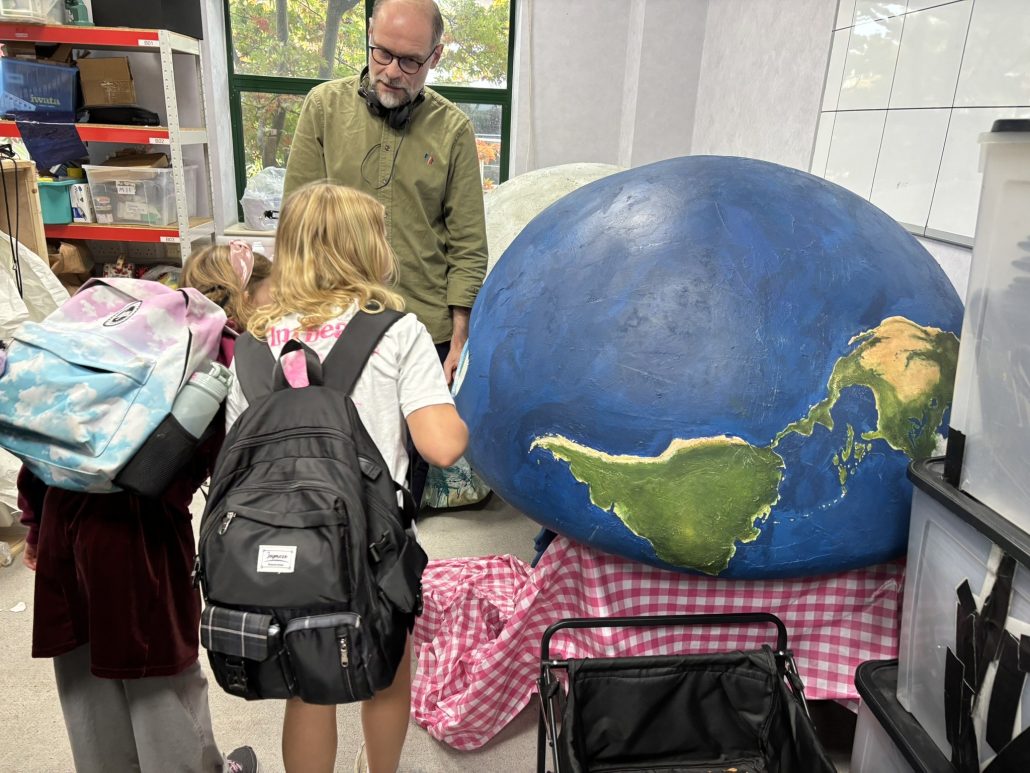
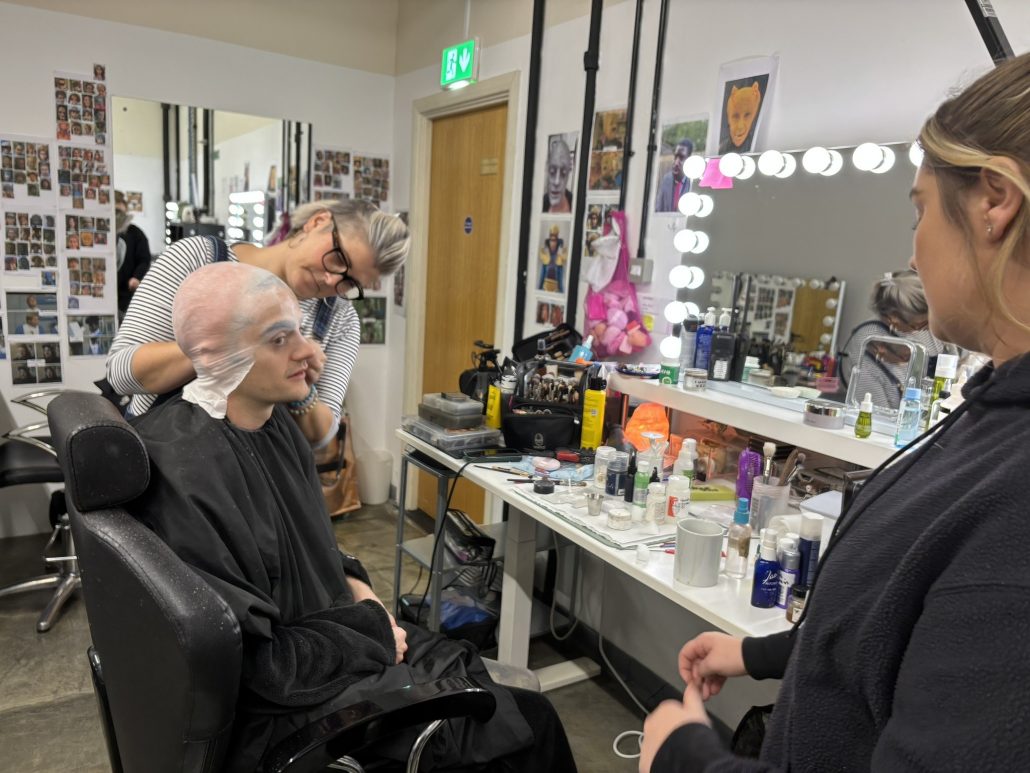
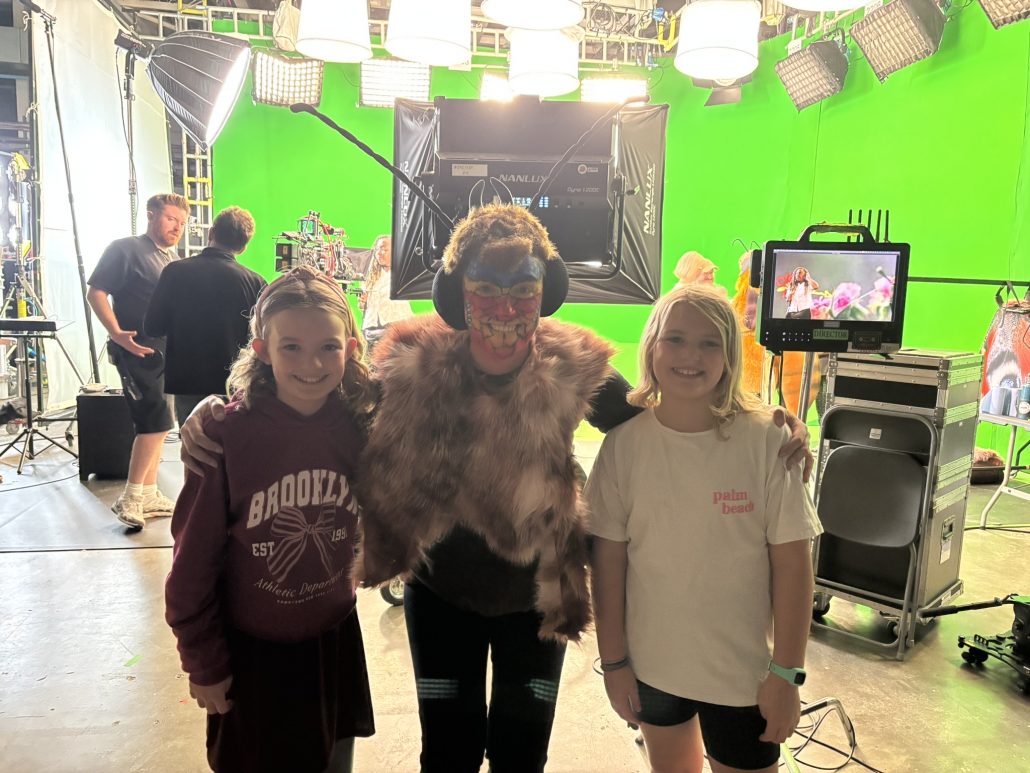
“Simon showed us around the dressing rooms and make-up studios. We saw Dr Big Brain’s costume and wig, and we got to see and touch lots of the amazing props. Some of them were still being painted! In the make-up studio we met actor Luke Rollason who was being transformed into the Moon.”
Watching Green Screen Filming in Action
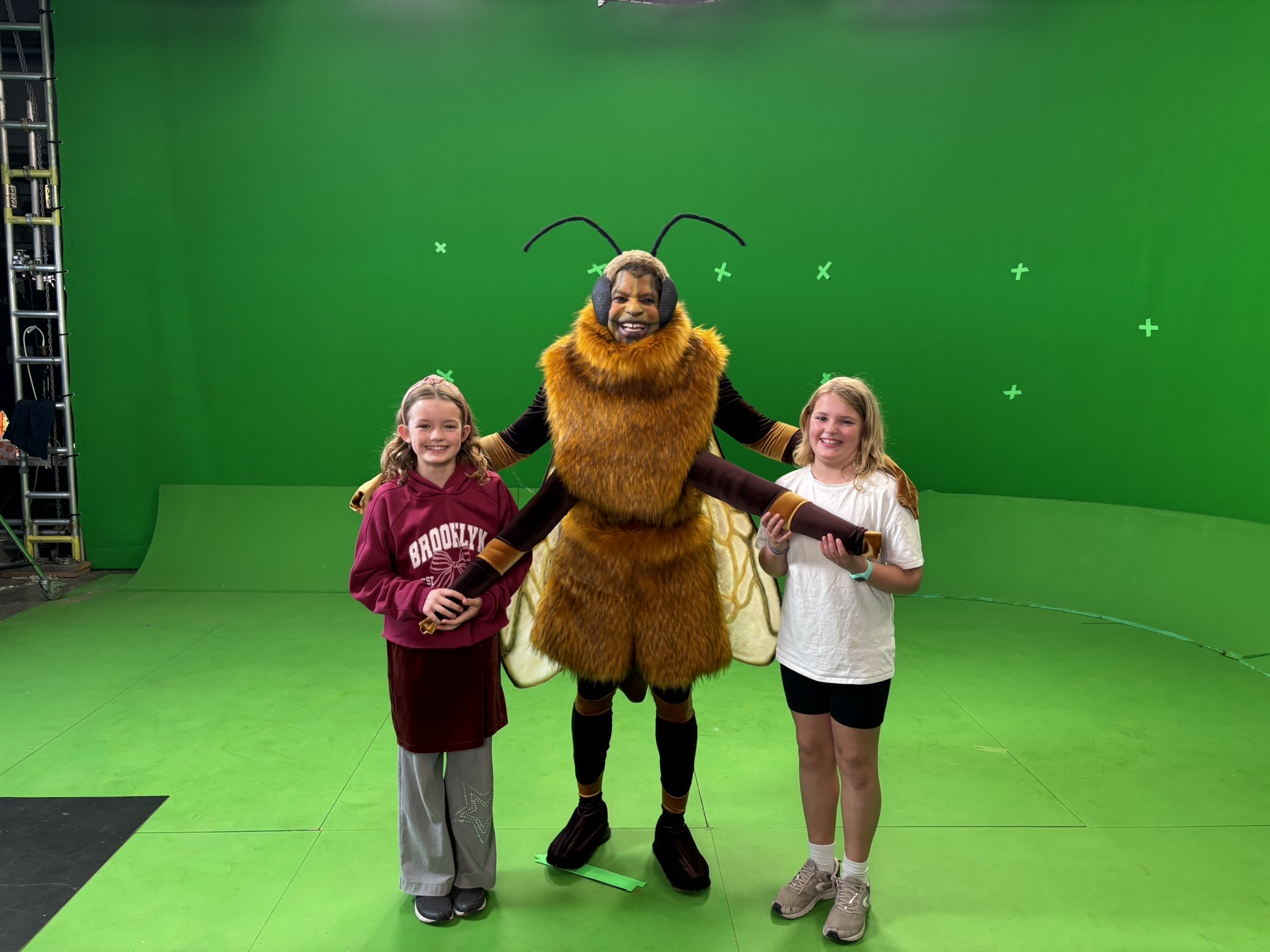
“Next, we were taken onto the set during filming. The actors were performing in front of a green background. Simon explained that they use green screen technology to add different backgrounds afterwards. Luke Rollason had to wear green leggings so that we wouldn’t see his legs when he was being the Moon.”
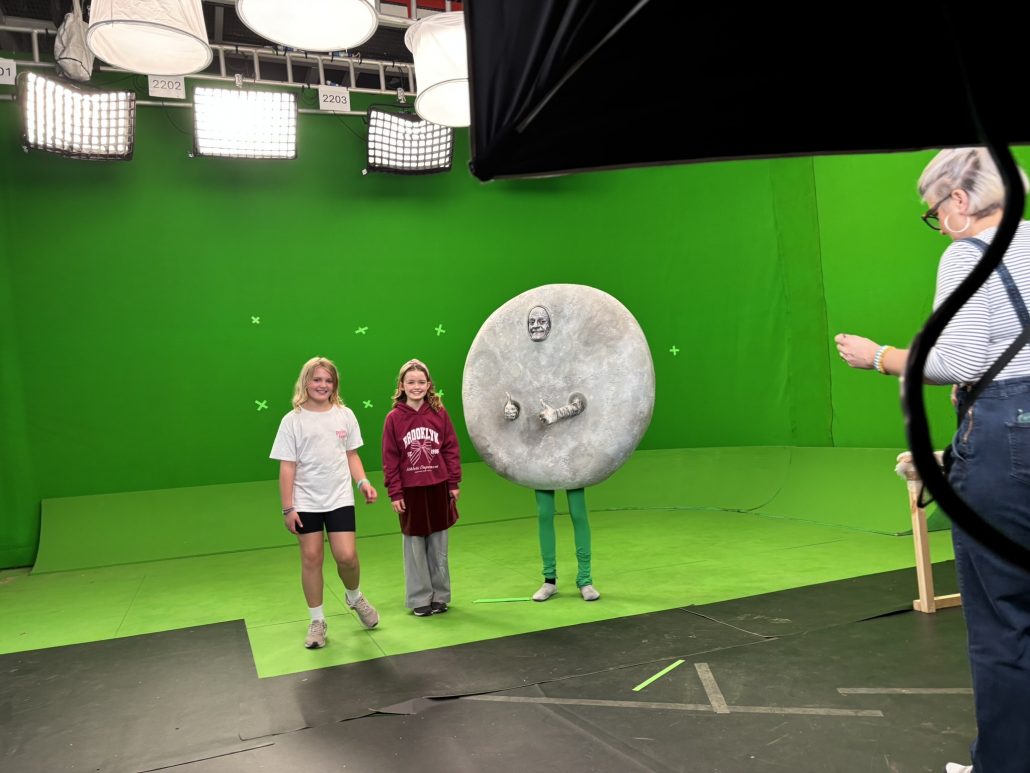
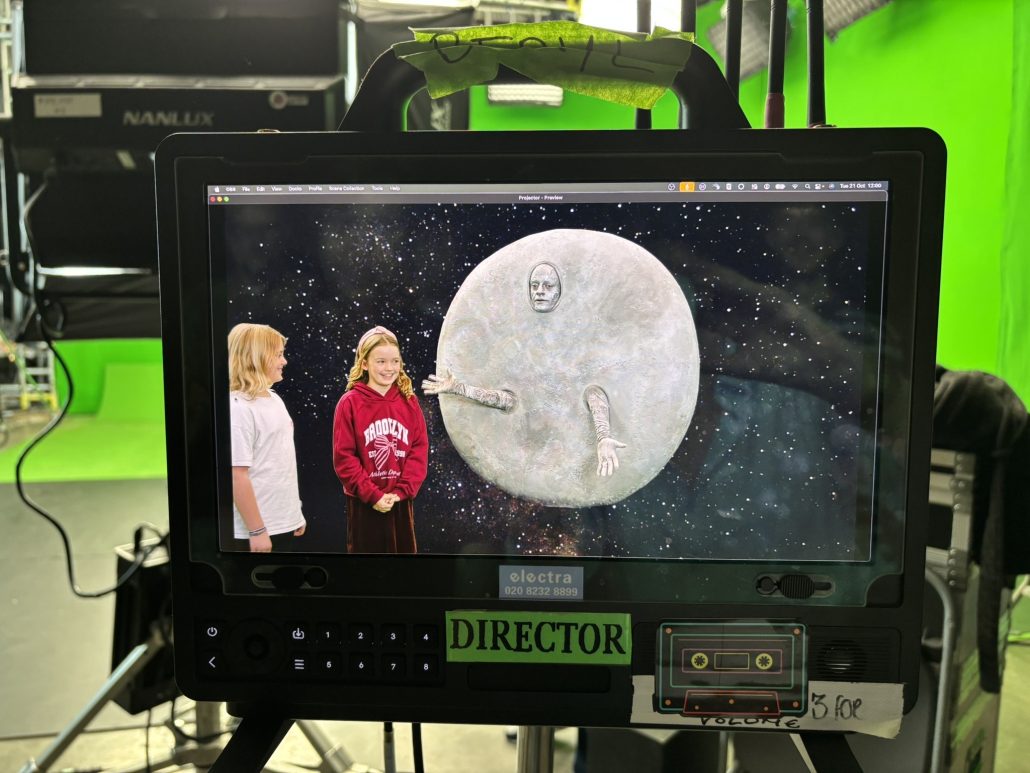
“We couldn’t believe how many people were involved in the filming – we met the director, the producer, and the camera and boom operators. There were hair and make-up people there to fix any costume problems and a continuity person whose job was to make sure everything looked the same between different takes.”
Meeting the Cast and Crew
“We got to meet more of the actors too, and the director even let us shout ‘action!’ to start the filming!
We were surprised to see how many times they had to film each scene from different angles. The producer explained that they edit all the different shots together at the post-production stage.”
Science Facts We Learned on Set
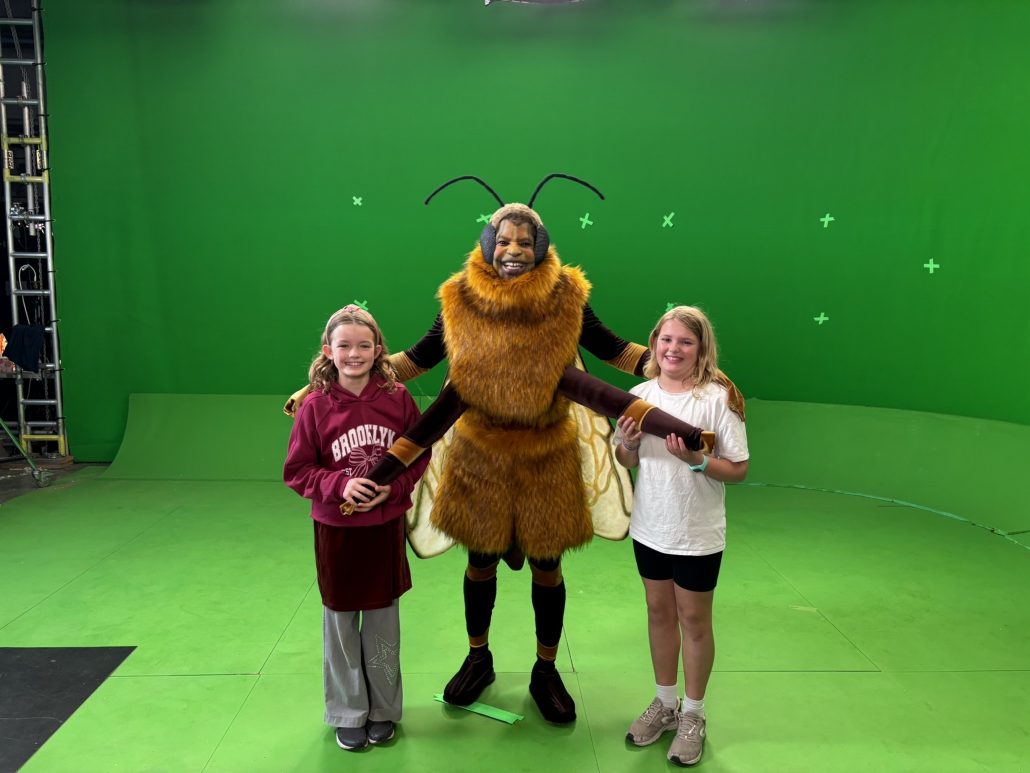
“We watched a bee and butterfly sketch being filmed lots of times, so we learnt loads of cool facts, like how bees communicate by wiggling their bottoms and butterflies taste things with their feet!”
Exploring the Sets
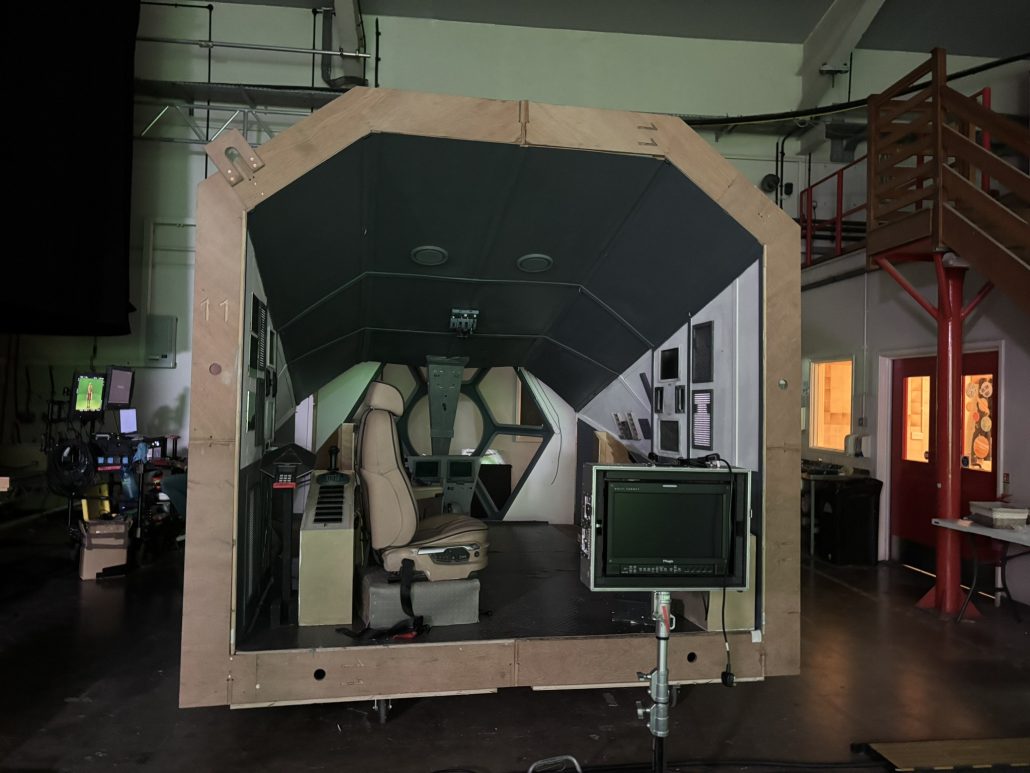
“We saw some new sets being built and painted. There was a cool spaceship with loads of buttons, and Simon told us that they had used parts of an old set from a Norwegian science fiction film to make it.”
Why We Can’t Wait for Horrible Science Series 2
“We had so much fun touring the studios and we learned so much. We can’t wait to watch series 2 of Horrible Science!”
Horrible Science series 2 starts on CBBC and iPlayer on 15th June 2026. Catch up with series 1 on iPlayer now!
About Whizz Pop Bang
Whizz Pop Bang is the world’s most awesomely amazing science magazine for children! Every issue is bursting with hands-on experiments, amazing facts, science news, puzzles and real-life inspiration for curious kids. Fizzing with fun (and lots of learning too), it’s packed with screen-free activities, interviews with real scientists and exciting discoveries from around the world. Even better, there are no cheap plastic toys and no adverts in sight. Our mission is simple: to help children develop a lifelong love of science and inspire the scientists, engineers and innovators of the future.
Subscribe today to start your child’s adventures in discovery and to inspire the scientists of the future!