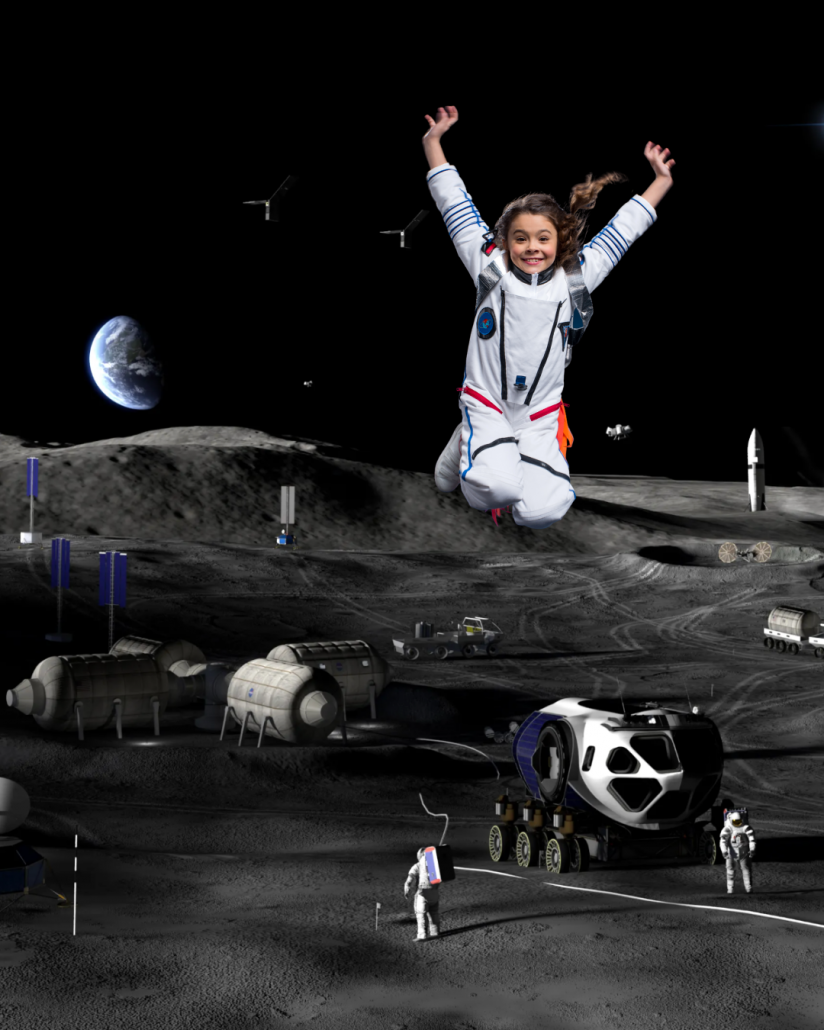
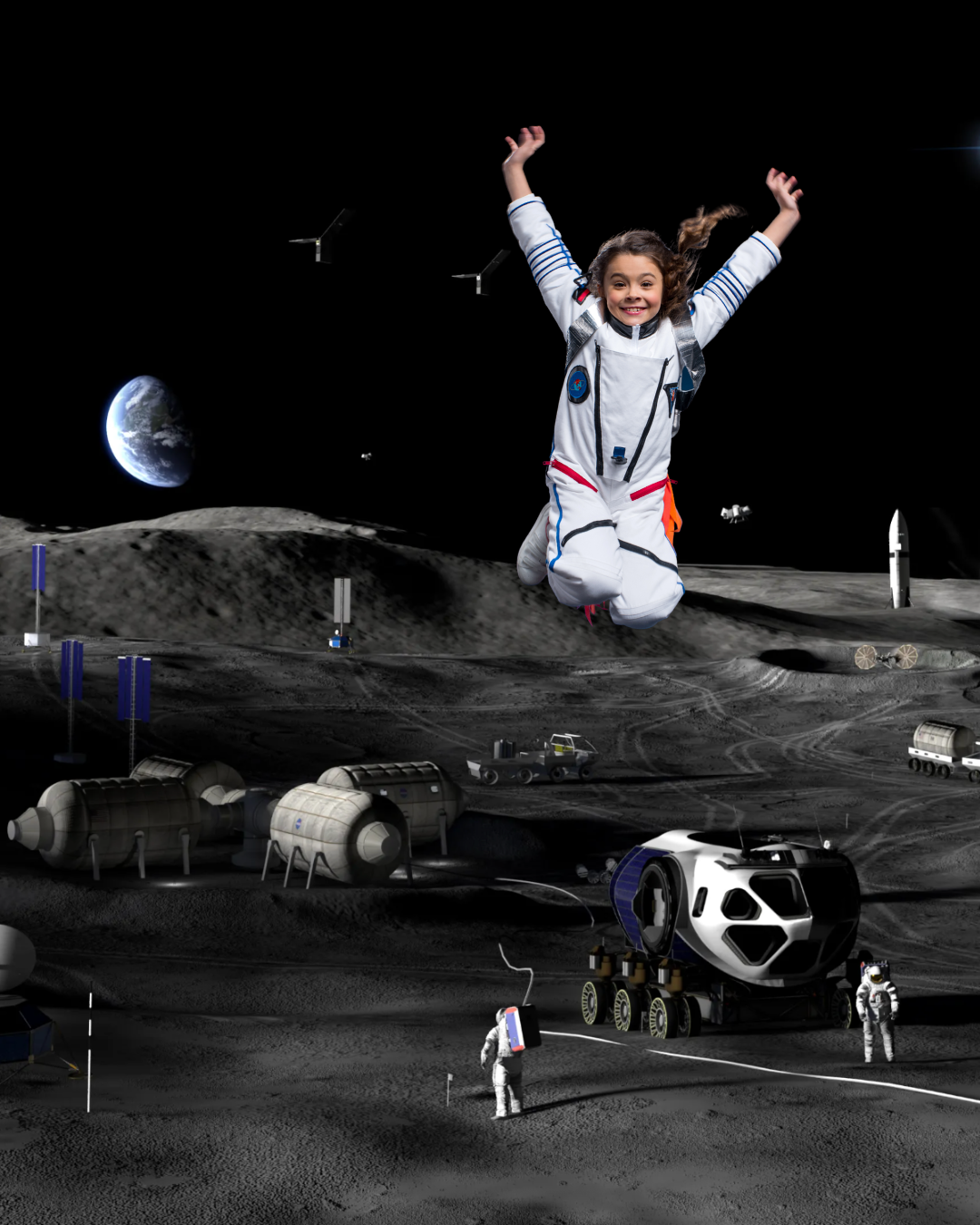
A futuristic Moon base with a child jumping on the lunar surface near Earth

MOON CITY! Could Humans Really Live on the Moon?

A futuristic Moon base with a child jumping on the lunar surface near Earth

Imagine looking up at the Moon and knowing that people are living there!

NASA has revealed exciting plans for a huge lunar base where astronauts could live, work and explore. The Moon base could cover hundreds of square kilometres and help scientists prepare for future missions to Mars.

Although a permanent Moon base is still many years away, engineers and scientists are already working out how it could become a reality.
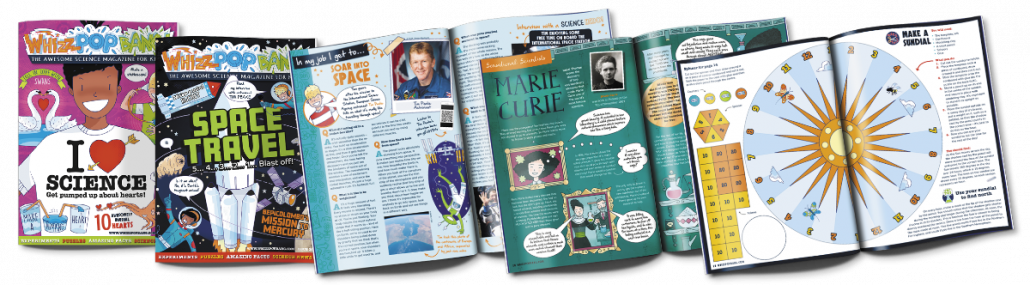

Want more kids science news? Try Whizz Pop Bang magazine!

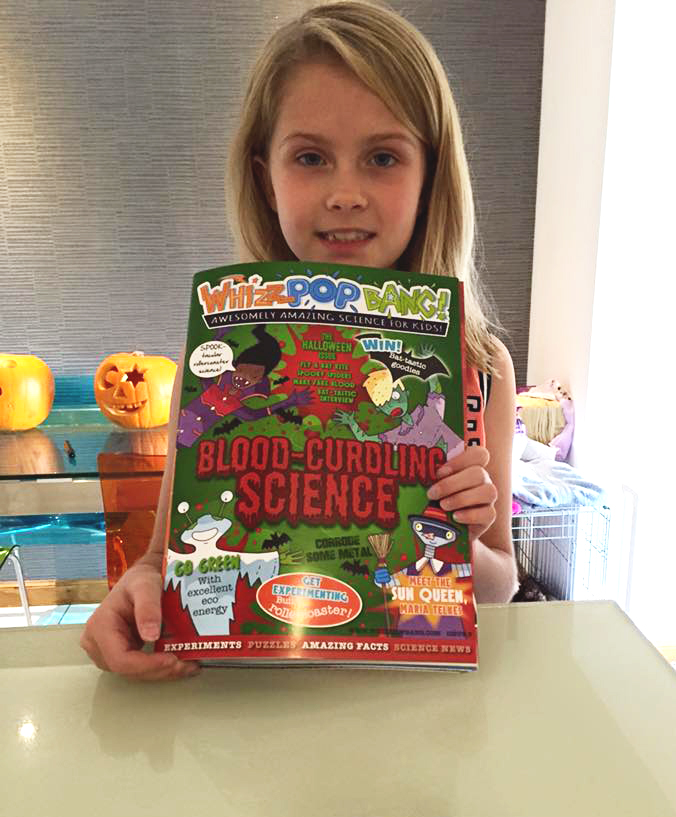
Whizz Pop Bang is the award-winning science magazine for curious kids aged 6–12. Every month, young scientists discover fascinating facts, try hands-on experiments, meet real scientists and explore the incredible world around them.

Packed with screen-free activities, puzzles, competitions and amazing science news, it’s designed to inspire a lifelong love of STEM subjects while having lots of fun along the way.

🚀 Subscribe today to have each new issue delivered straight to your door – find our latest special offer here!


What is a Moon base?

A Moon base is a place where astronauts could live for long periods of time on the lunar surface.

Just like research stations in Antarctica, a lunar base would provide shelter, food, water and equipment for scientists exploring an extreme environment.

Future Moon bases might include places to live, research laboratories, power stations and even greenhouses where food could be grown.

Why does NASA want a base on the Moon?

NASA hopes that living on the Moon will help humans learn how to survive on other worlds.

The Moon is much closer than Mars, making it the perfect place to test new technology and learn how astronauts can stay healthy during long space missions.

Scientists could also study the Moon’s rocks, history and hidden resources.

How would astronauts survive on the Moon?

Living on the Moon would be very different from living on Earth.

Astronauts would need protection from:

  • Extreme temperatures
  • Dangerous space radiation
  • Tiny sharp Moon dust
  • Meteorite impacts

Future Moon bases could be built underground or covered with lunar soil for extra protection.

Scientists are also exploring ways to create oxygen, water and fuel using materials already found on the Moon.

Could children ever live on the Moon?

Nobody knows for sure, but it could happen one day.

NASA’s plans are part of a long-term effort to establish a permanent human presence beyond Earth. If future Moon bases become successful, children growing up on the Moon may not just belong in science fiction stories.

Could the first child to live on the Moon be reading Whizz Pop Bang right now?

Amazing Moon Facts

🌕 The Moon is about 384,400 kilometres from Earth.

🚀 It takes about three days for astronauts to travel there.

👨‍🚀 Twelve people have walked on the Moon so far.

🌑 The Moon has no air that humans can breathe.

🦘 Because gravity is weaker on the Moon, astronauts can jump much higher than on Earth.

Want more space science?

If you love rockets, astronauts and incredible discoveries, check out Whizz Pop Bang magazine – it’s packed with hands-on activities, fascinating facts and out-of-this-world science fun!

Want more science news?

Read the latest science news for kids on the Whizz Pop Bang blog (as well as inside every edition of Whizz Pop Bang magazine!)
Post Comment

Behind the Scenes at Horrible Science Series 2: a Whizz Pop Bang Sneak Preview 

What happens behind the scenes of a children’s science TV show?

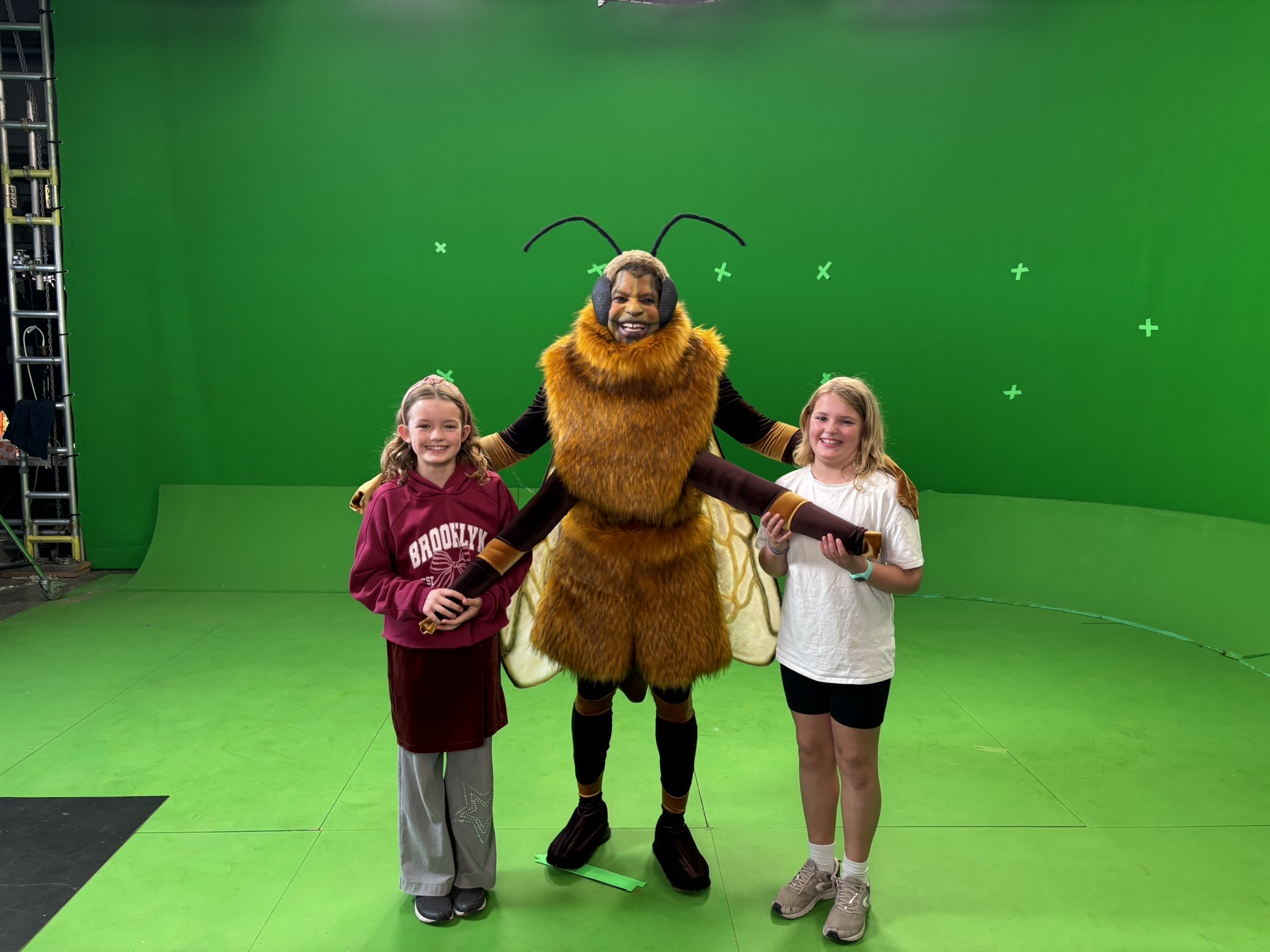
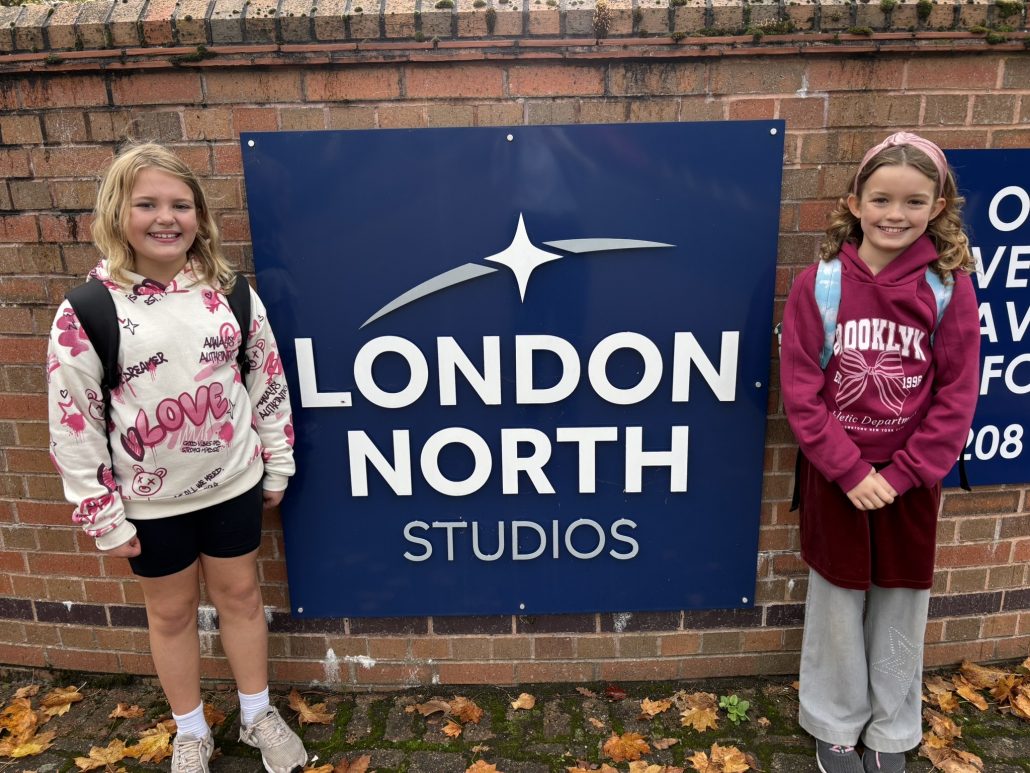
Two of our young Whizz Pop Bang reporters, Kitty and Mimi, were invited to the recording studios for an exclusive sneak preview of CBBC’s Horrible Science Series 2. From costumes and props to green screen filming and amazing science facts, this first-hand report gives a fun glimpse into how science television is made. Over to you, Kitty and Mimi…

A Special Visit to the Horrible Science Set

“We loved watching the first series of Horrible Science, so we were really excited to be invited to the set to watch the new series being filmed! 

We were given lollipops in the studio reception while we waited for Simon Welton who makes the Horrible Science shows (as well as Horrible Histories – another of our favourites!)”

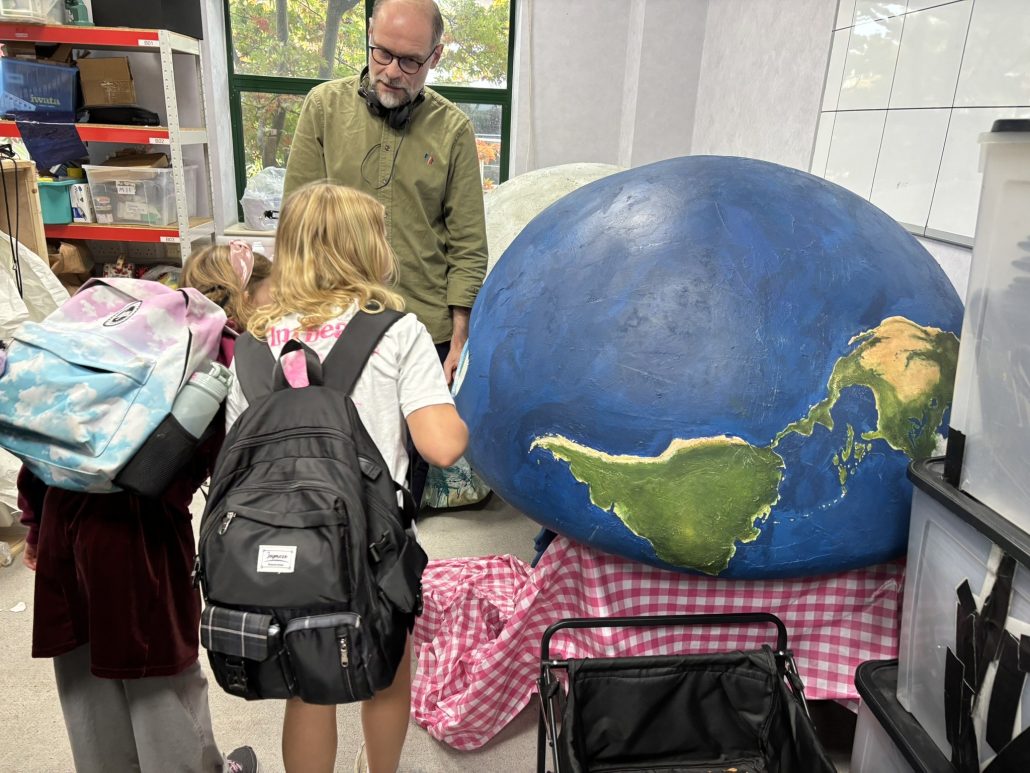
Simon Welton holding an Earth prop during the Whizz Pop Bang visit to the Horrible Science Series 2 set
Simon Welton holding a prop of planet Earth, behind the scenes of Horrible Science Series 2

Love kids science? Click here to discover how to get Whizz Pop Bang science magazine delivered to the door every month – and to find out latest special offer!


Touring the Dressing Rooms, Props and Make-Up Studio

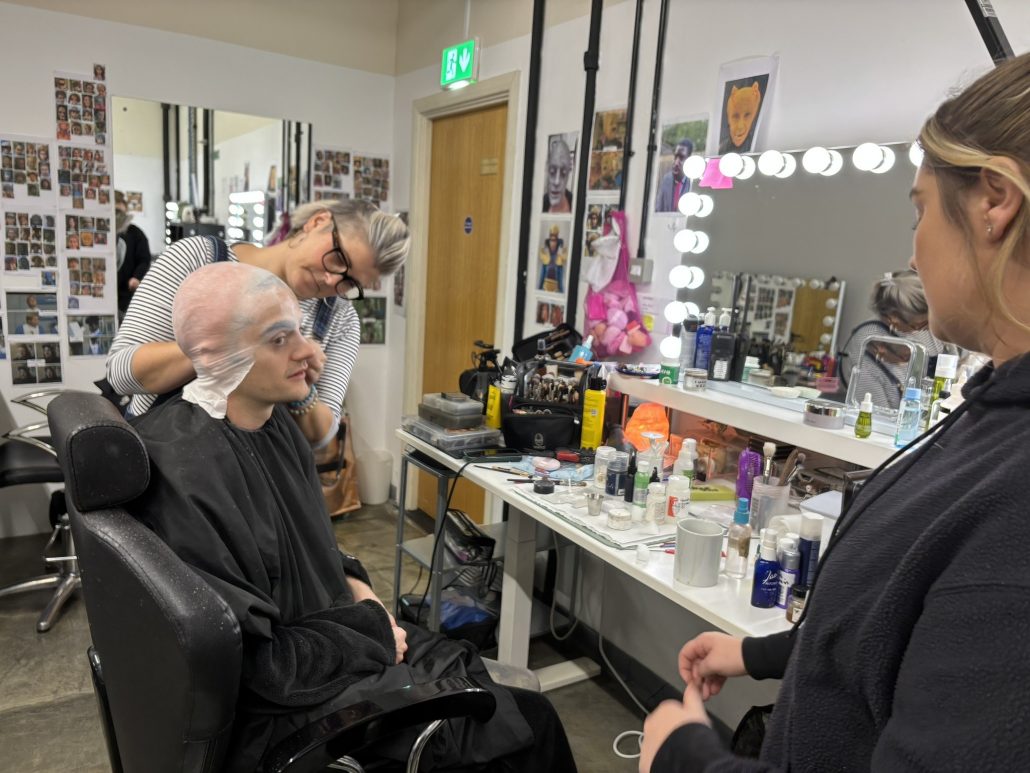
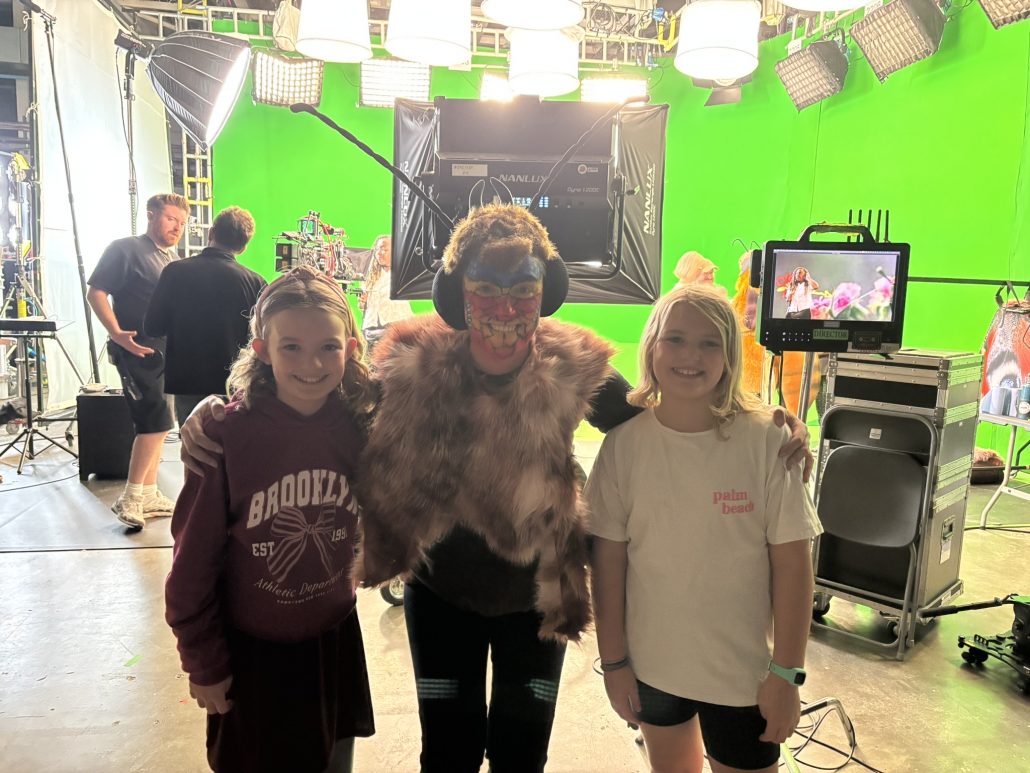
“Simon showed us around the dressing rooms and make-up studios. We saw Dr Big Brain’s costume and wig, and we got to see and touch lots of the amazing props. Some of them were still being painted! In the make-up studio we met actor Luke Rollason who was being transformed into the Moon.”

Actor Luke Rollason in the make-up studio being transformed into the Moon for Horrible Science
Horrible Science actor Luke Rollason being transformed into the Moon

Watching Green Screen Filming in Action

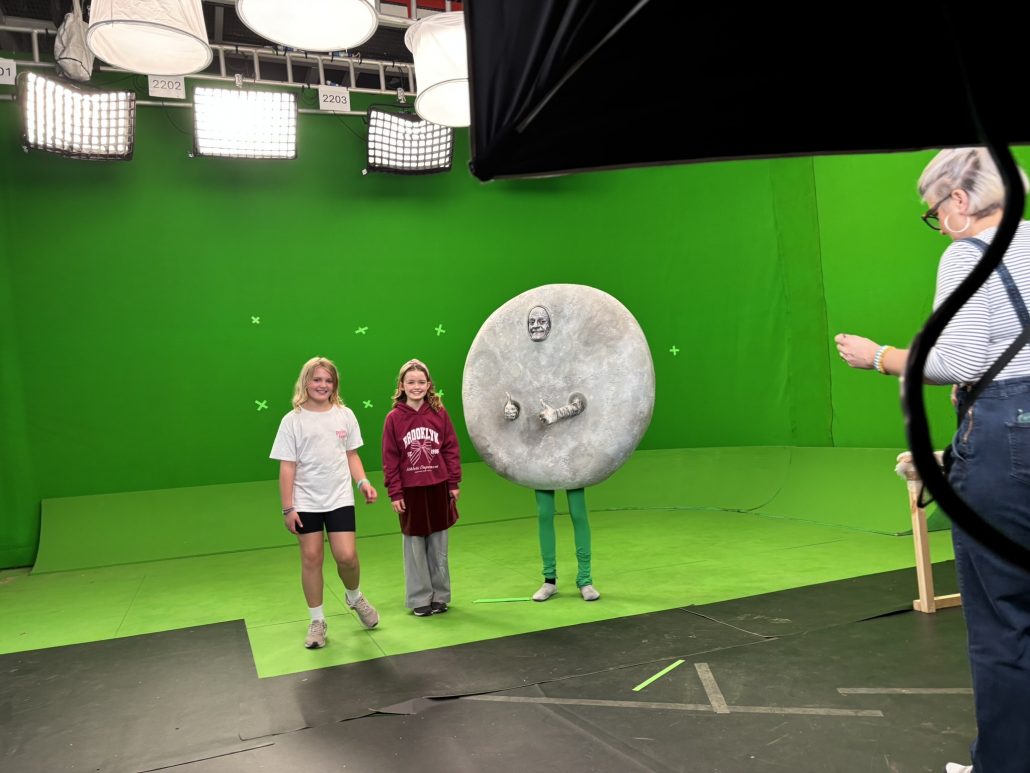
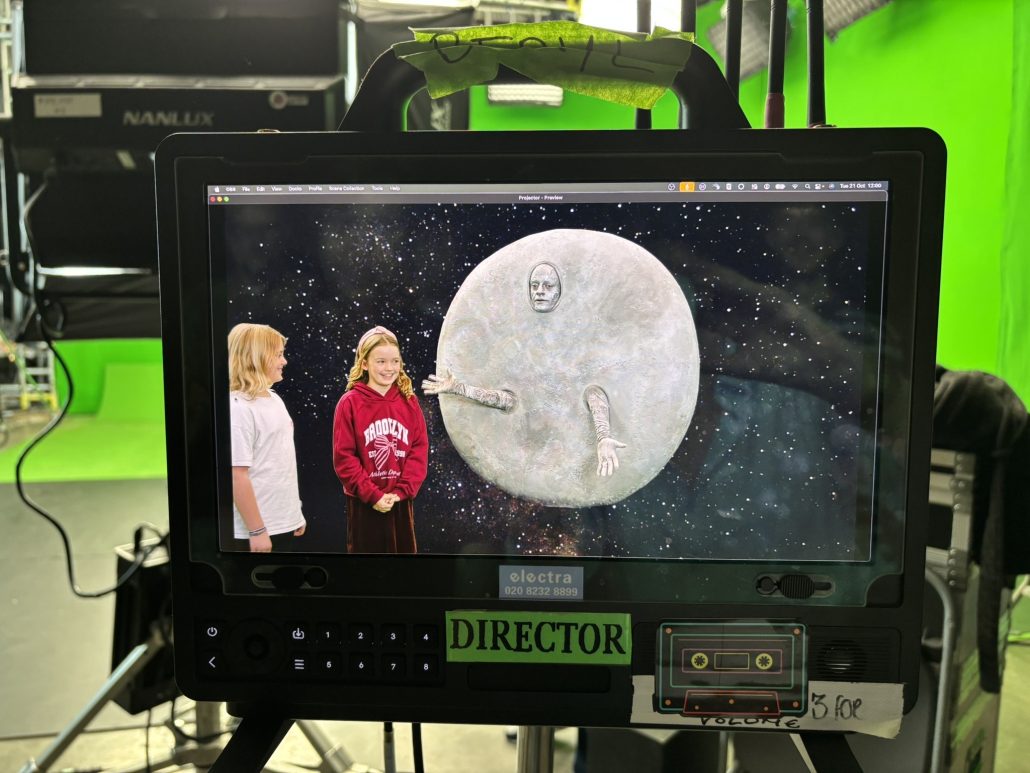
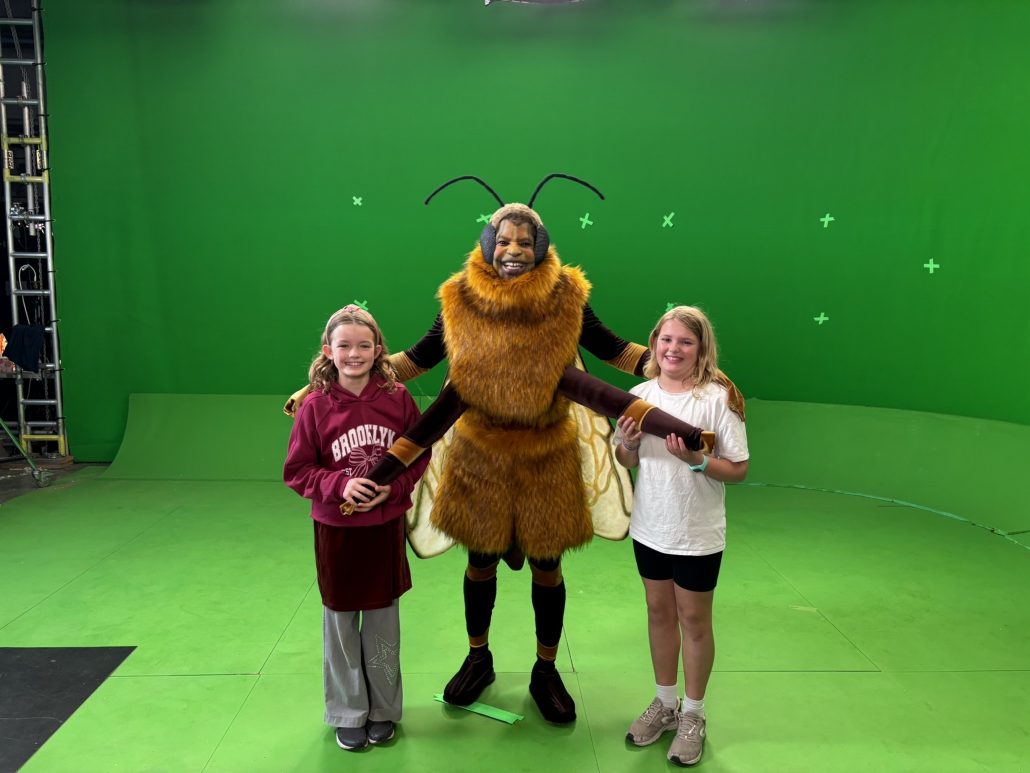
“Next, we were taken onto the set during filming. The actors were performing in front of a green background. Simon explained that they use green screen technology to add different backgrounds afterwards. Luke Rollason had to wear green leggings so that we wouldn’t see his legs when he was being the Moon.”

“We couldn’t believe how many people were involved in the filming – we met the director, the producer, and the camera and boom operators. There were hair and make-up people there to fix any costume problems and a continuity person whose job was to make sure everything looked the same between different takes.”

Meeting the Cast and Crew

“We got to meet more of the actors too, and the director even let us shout ‘action!’ to start the filming!

We were surprised to see how many times they had to film each scene from different angles. The producer explained that they edit all the different shots together at the post-production stage.”

Science Facts We Learned on Set

“We watched a bee and butterfly sketch being filmed lots of times, so we learnt loads of cool facts, like how bees communicate by wiggling their bottoms and butterflies taste things with their feet!”

Exploring the Sets

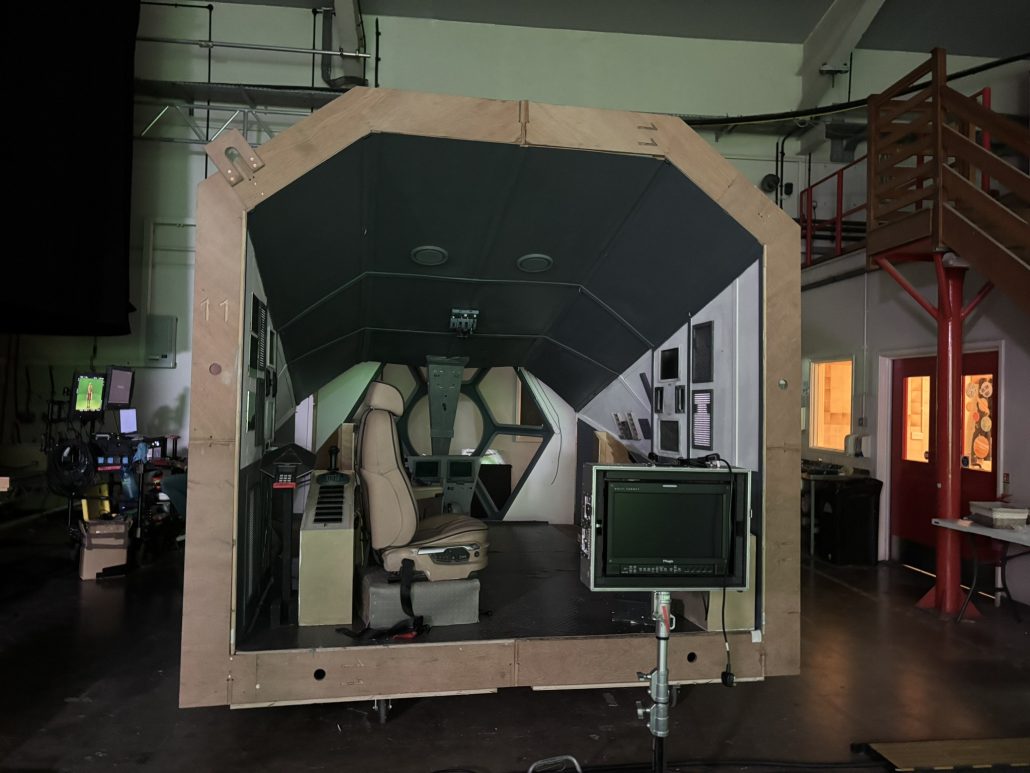
“We saw some new sets being built and painted. There was a cool spaceship with loads of buttons, and Simon told us that they had used parts of an old set from a Norwegian science fiction film to make it.” 

A spaceship set being built for Horrible Science Series 2 during the studio tour
A spaceship set that appears in Horrible Science 2

Why We Can’t Wait for Horrible Science Series 2

“We had so much fun touring the studios and we learned so much. We can’t wait to watch series 2 of Horrible Science!” 

Horrible Science series 2 starts on CBBC and iPlayer on 15th June 2026. Catch up with series 1 on iPlayer now!

About Whizz Pop Bang

Whizz Pop Bang is the world’s most awesomely amazing science magazine for children! Every issue is bursting with hands-on experiments, amazing facts, science news, puzzles and real-life inspiration for curious kids. Fizzing with fun (and lots of learning too), it’s packed with screen-free activities, interviews with real scientists and exciting discoveries from around the world. Even better, there are no cheap plastic toys and no adverts in sight. Our mission is simple: to help children develop a lifelong love of science and inspire the scientists, engineers and innovators of the future.

Subscribe today to start your child’s adventures in discovery and to inspire the scientists of the future!


Post Comment
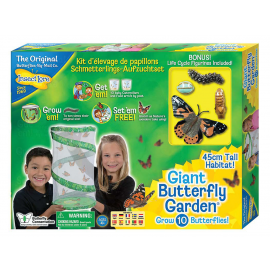
butterfly garden kit

Minibeast photography competition

The results are in from our minibeast competition (issue 11, June) and we have five winners to announce!
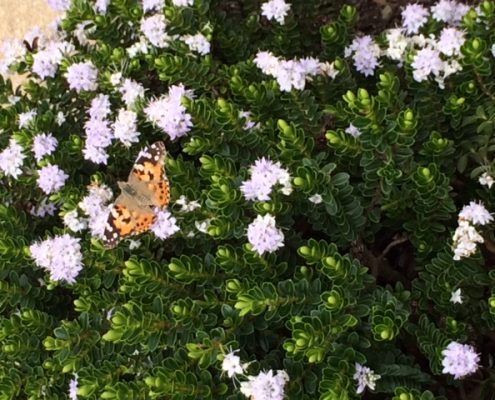
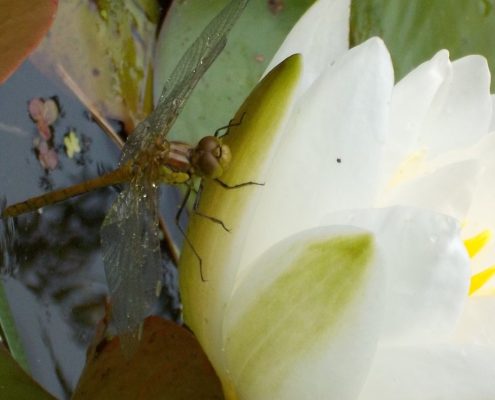
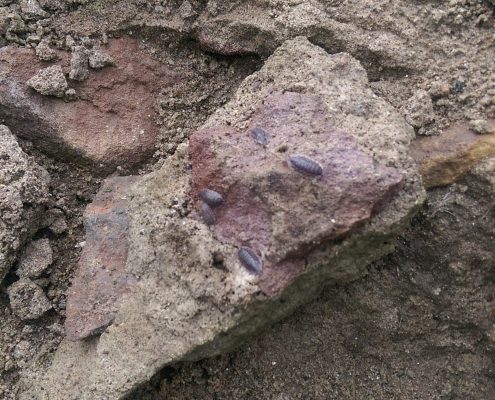
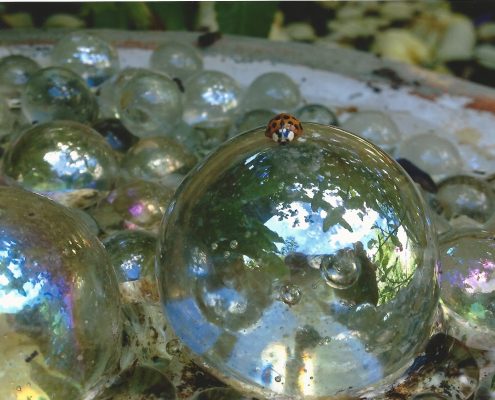
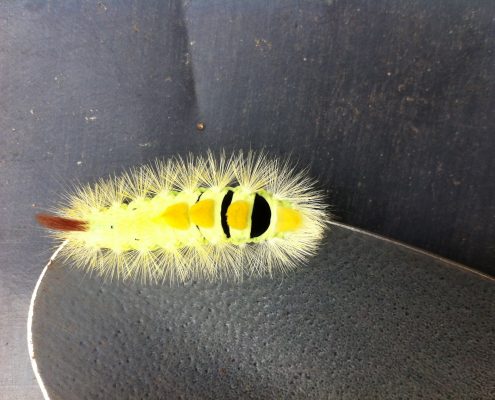
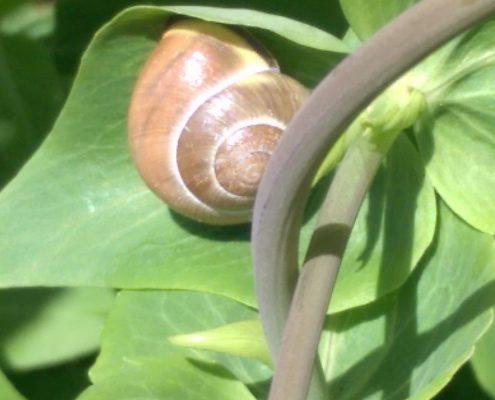
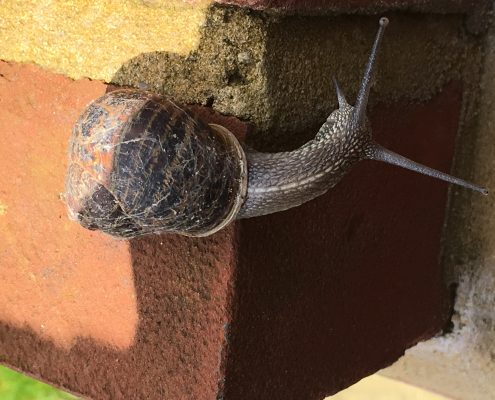
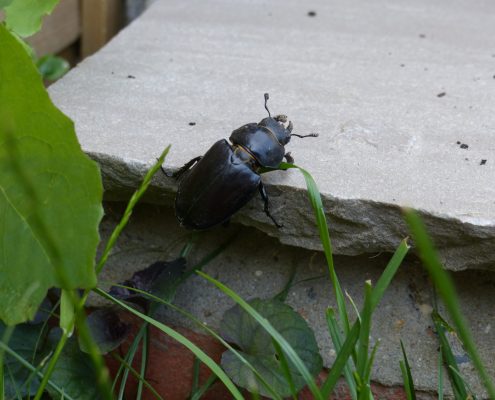
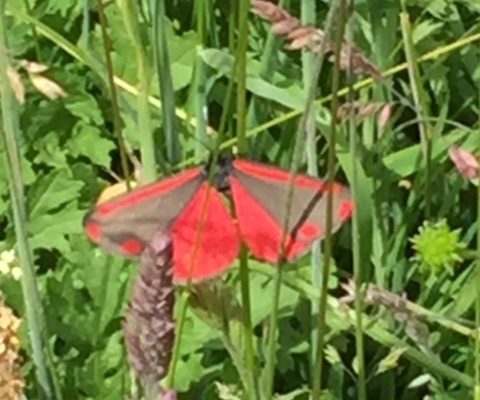
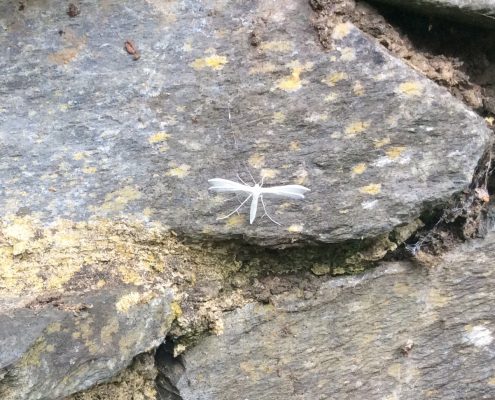
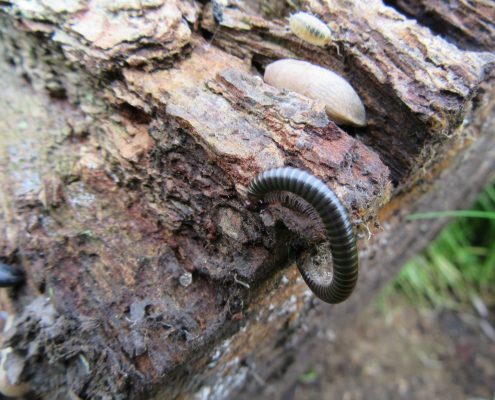
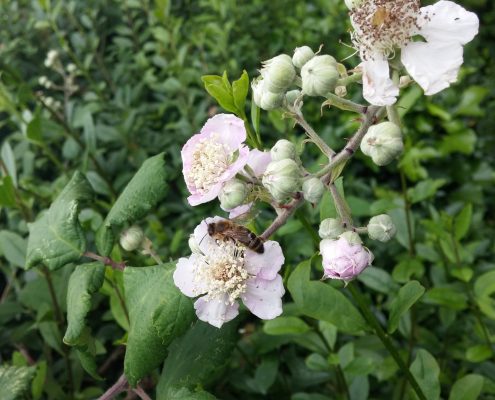
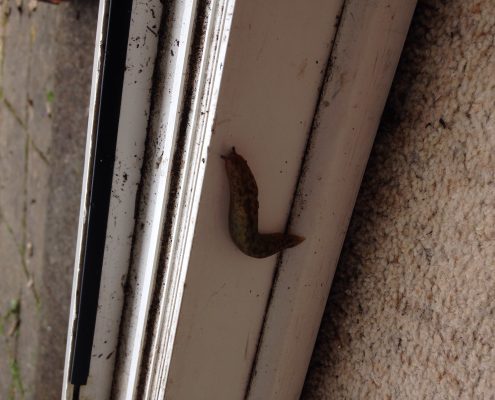
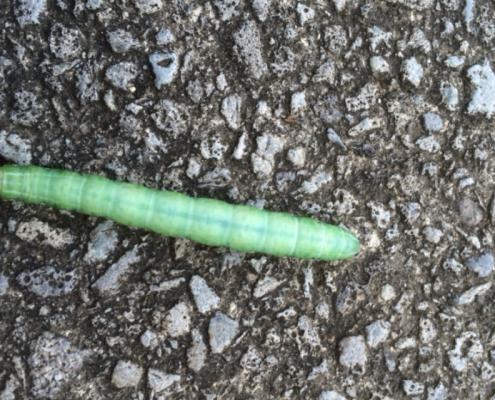
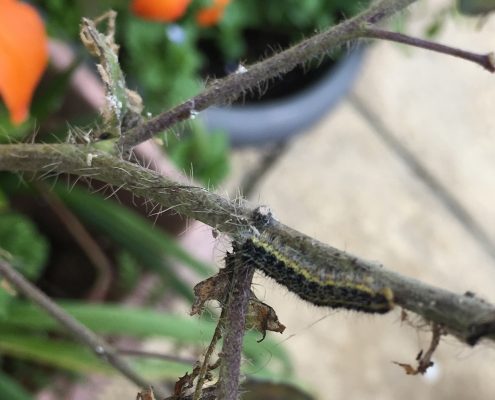
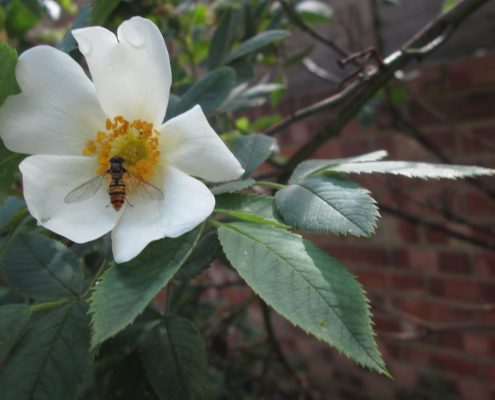
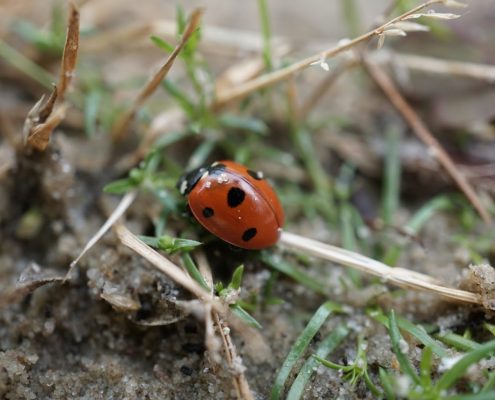
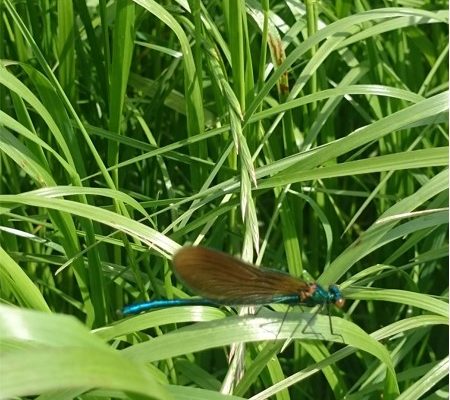
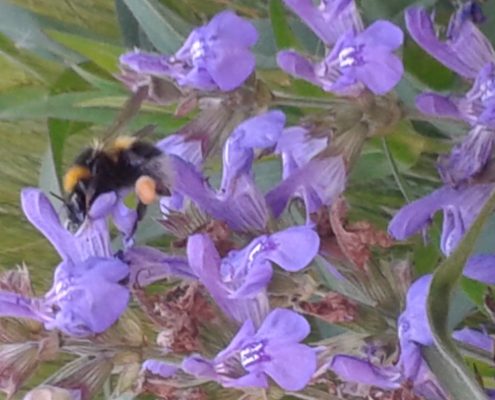
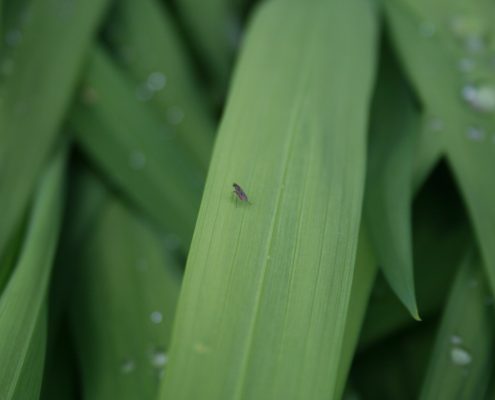
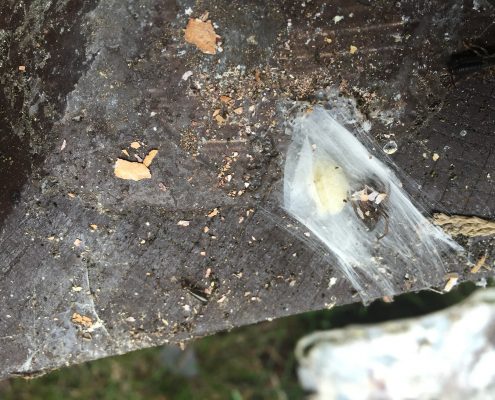
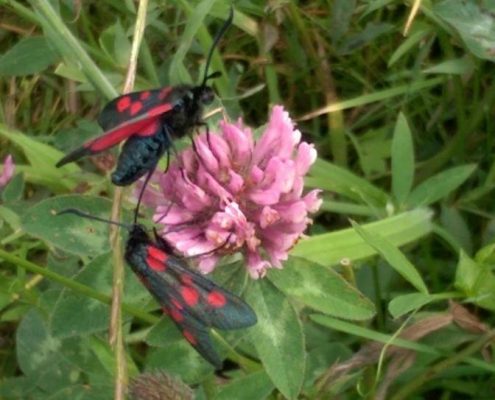
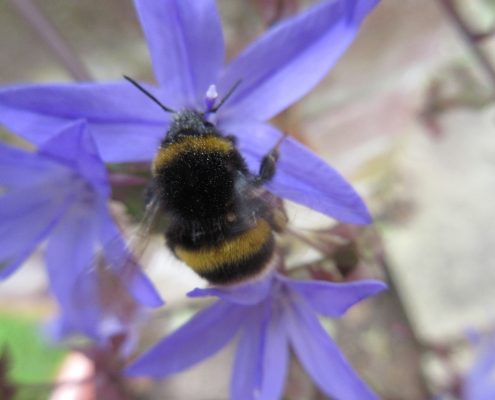
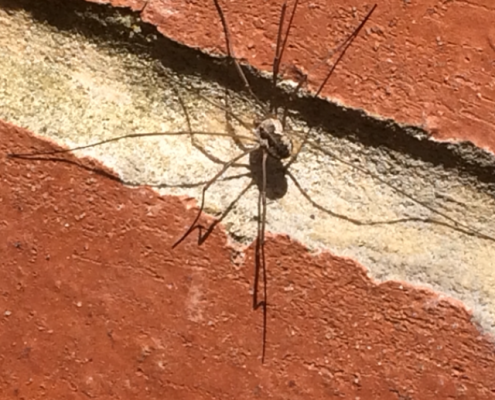
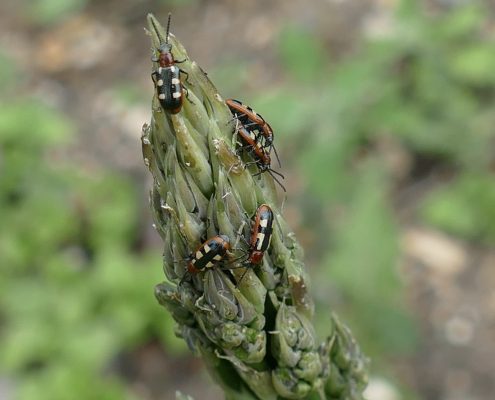
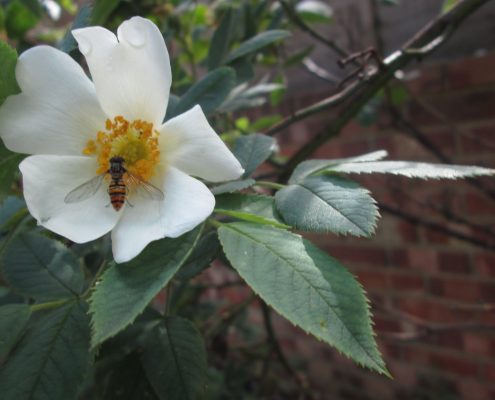
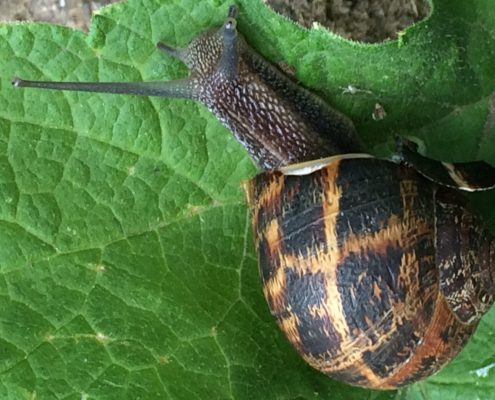
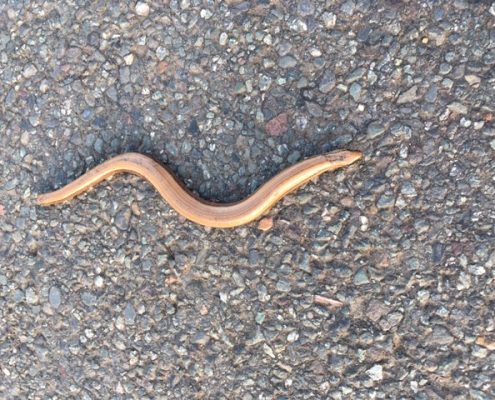
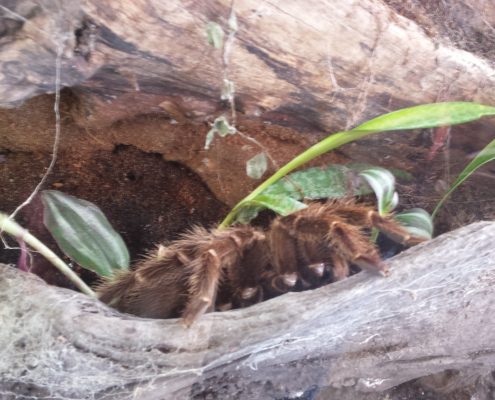
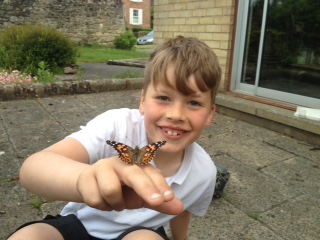
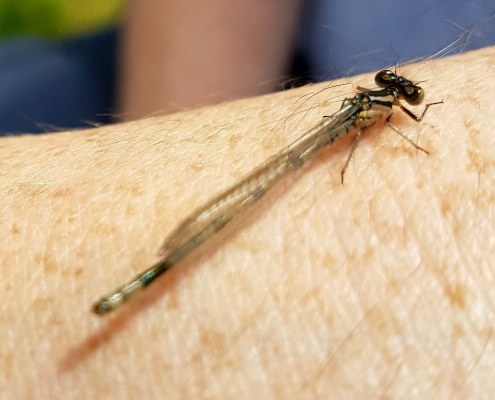
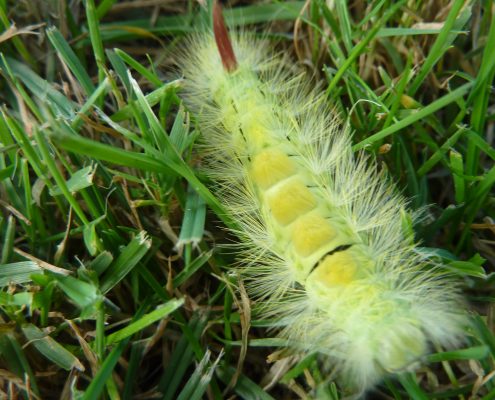
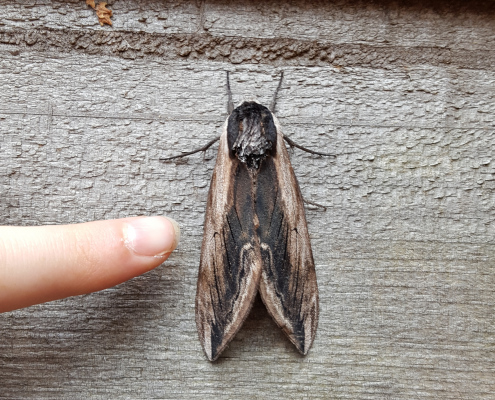
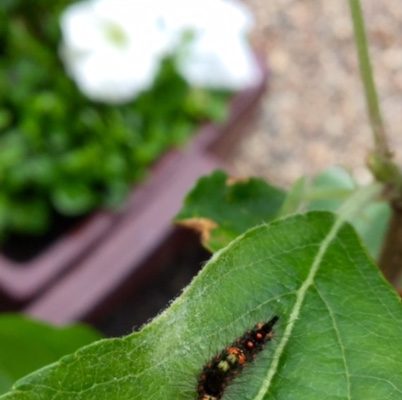
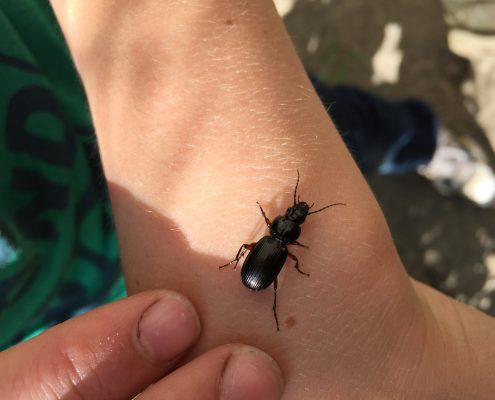
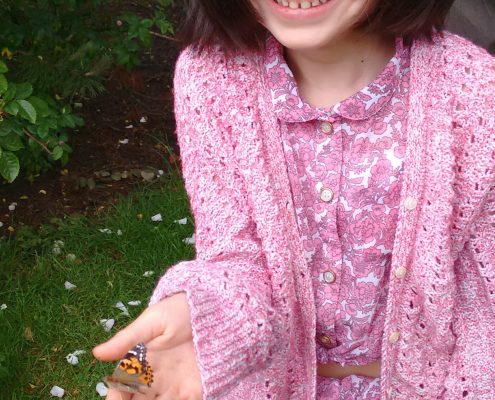
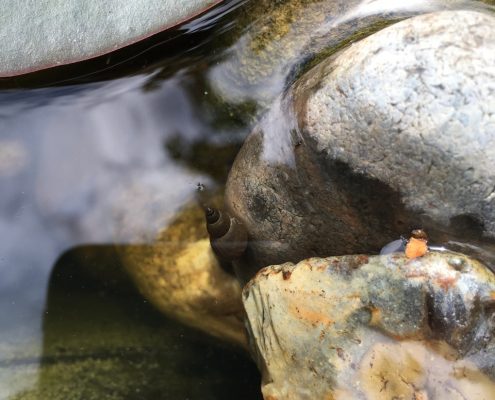
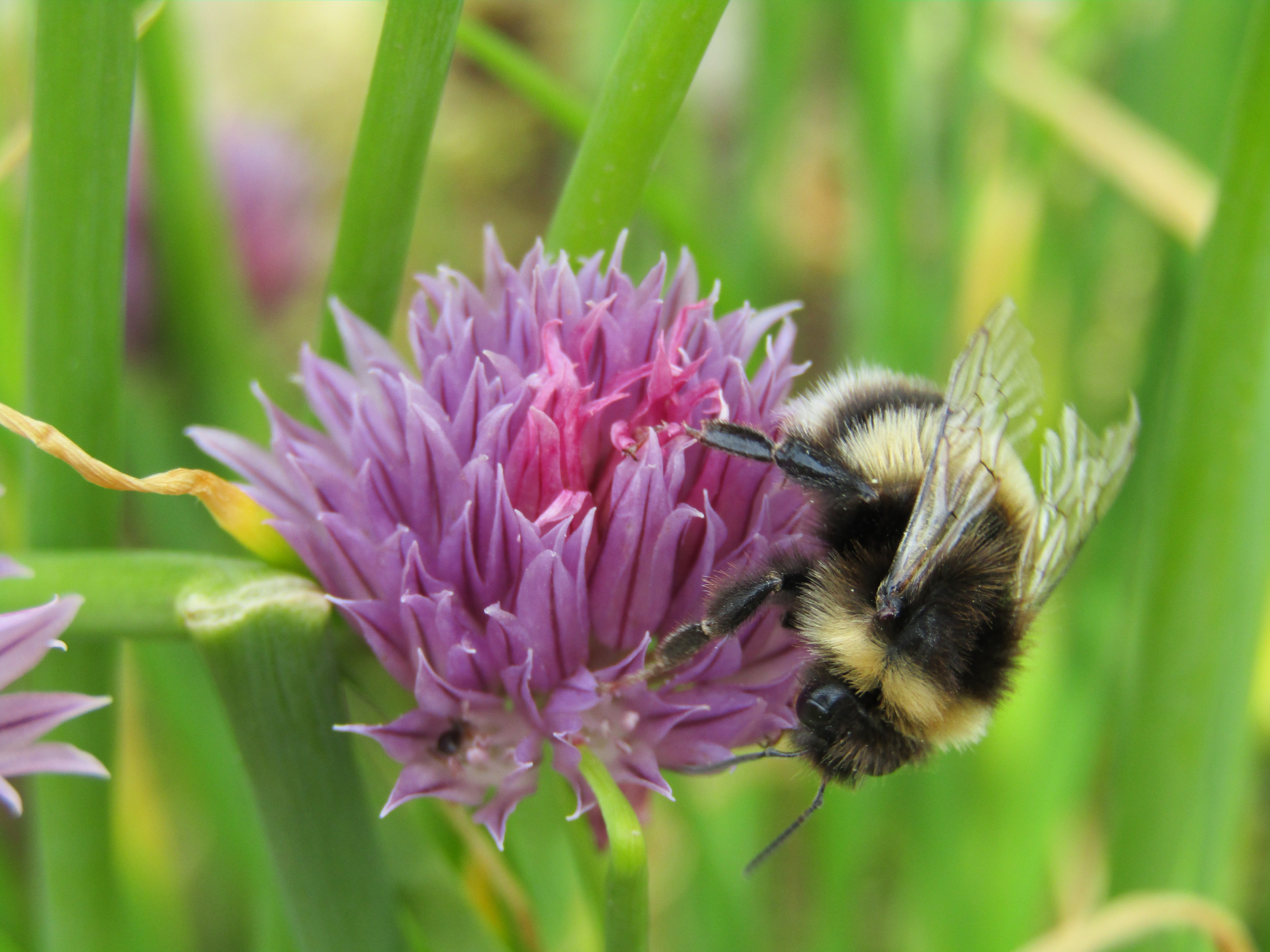
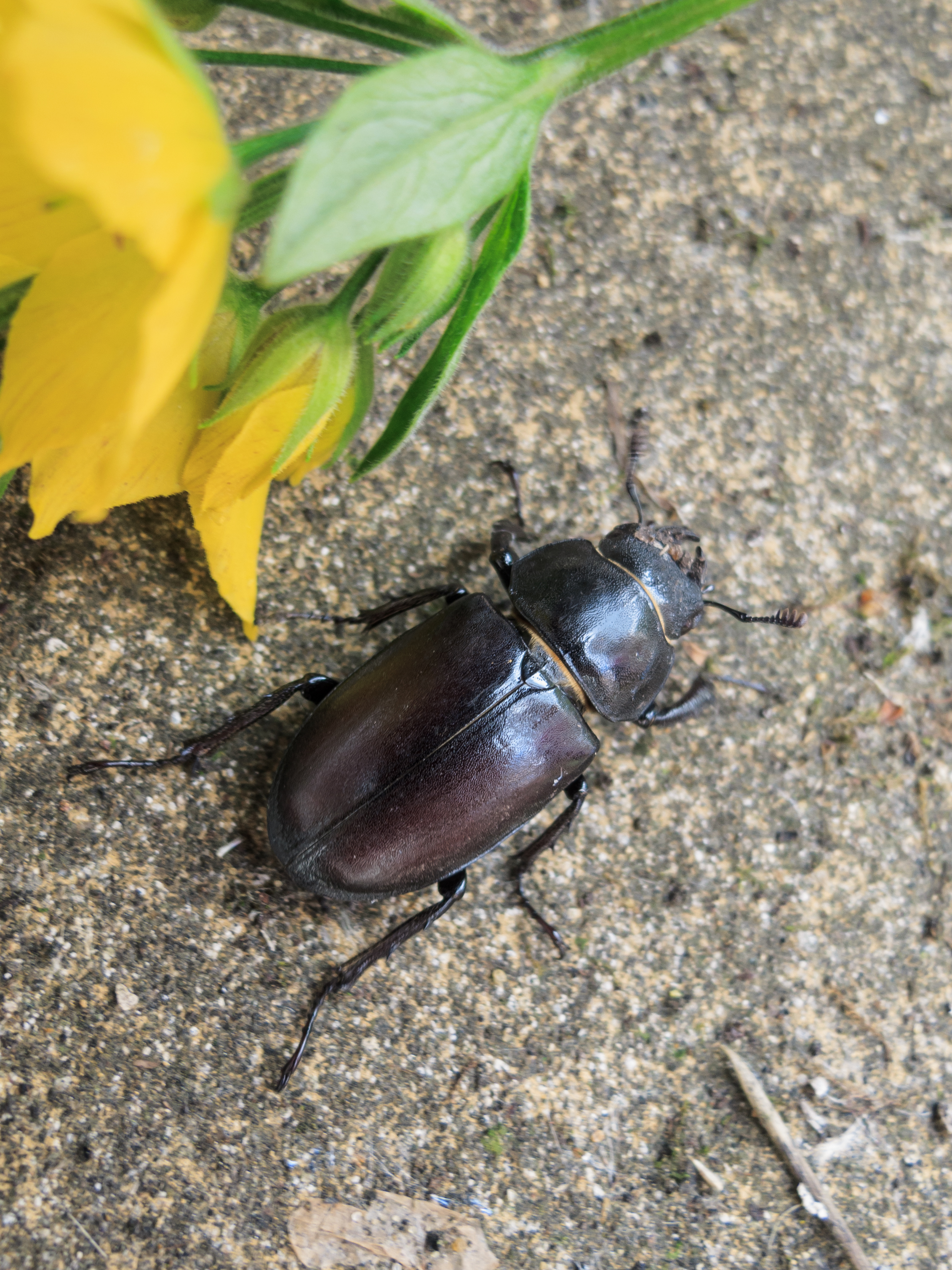
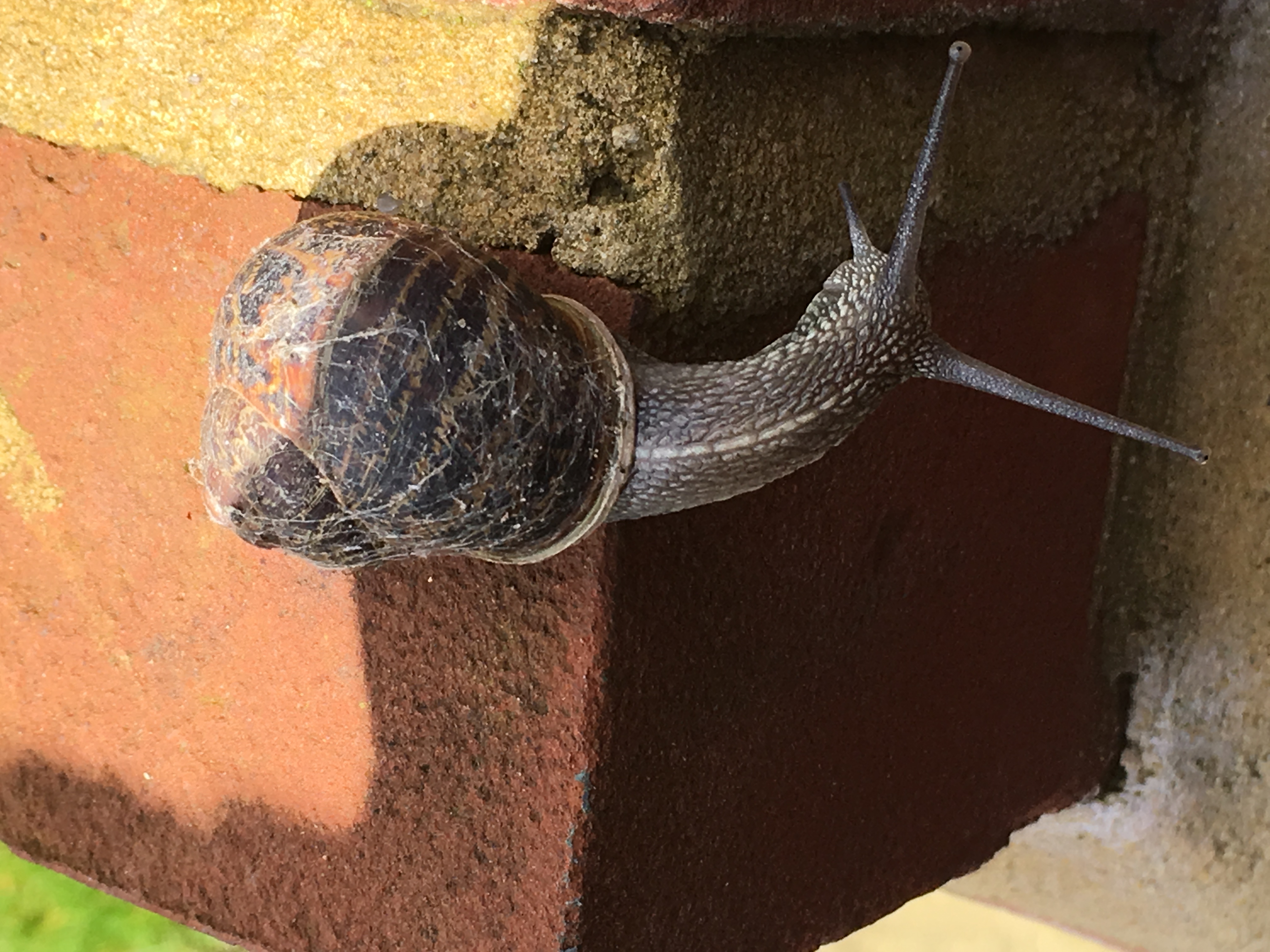
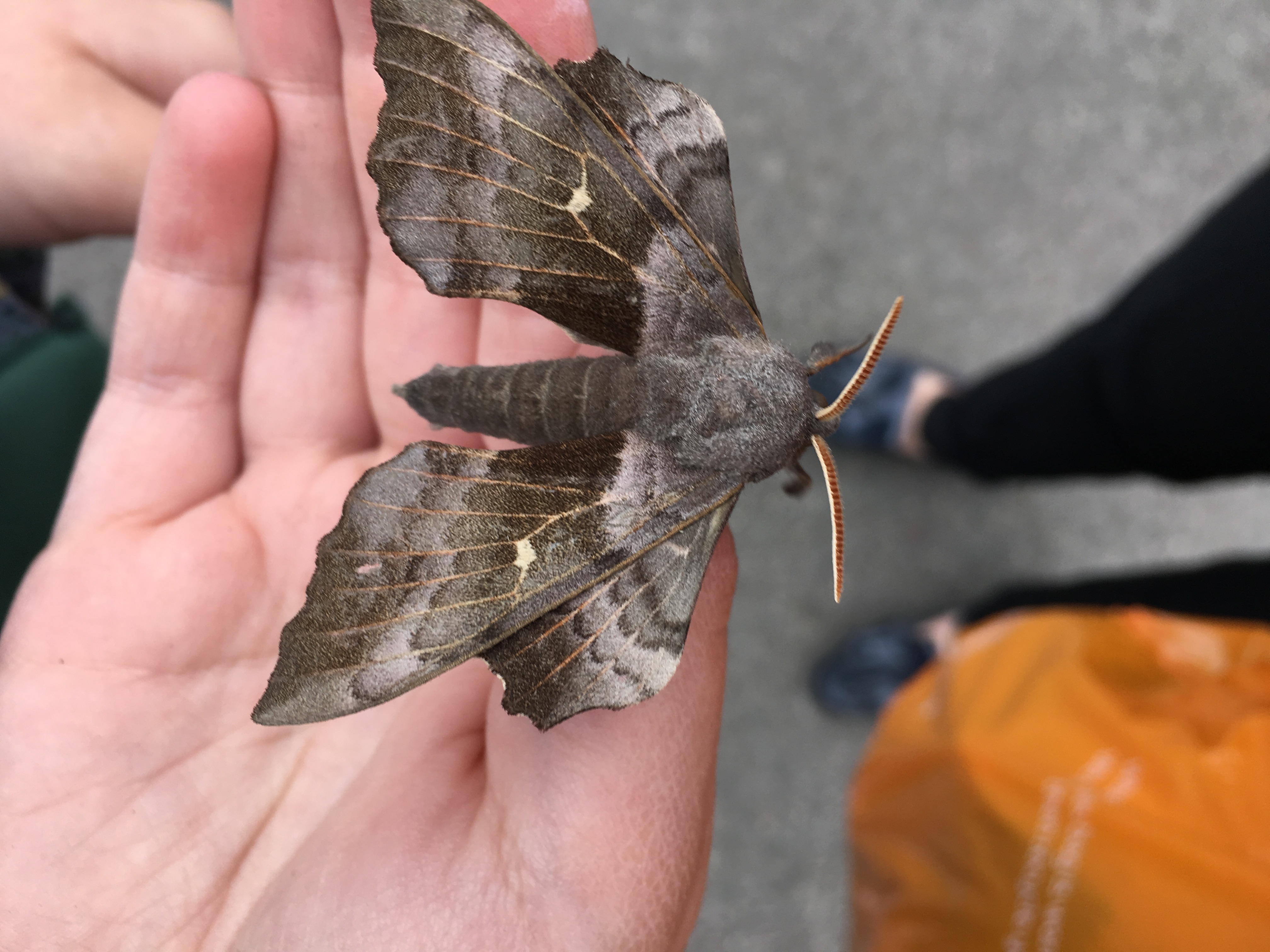
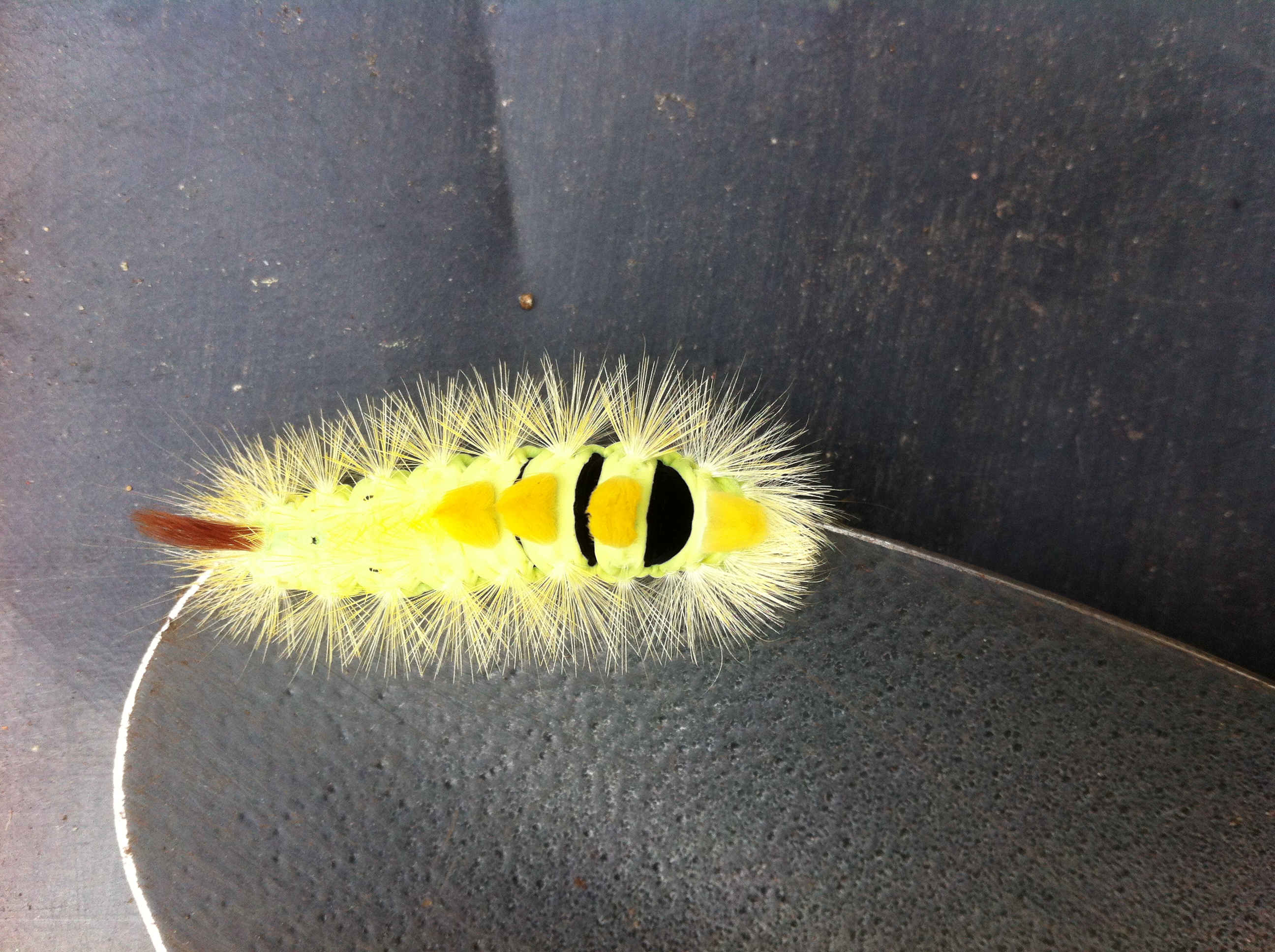
Firstly we want to say thank you to all of you who entered. We had over 75 entries of awesome minibeast photos. We now have spiders, bees, butterflies, caterpillars, beetles, slugs, ladybirds, snails, dragonflies, centipedes and moths all crawling around on the Whizz Pop Bang office wall 🙂

Without further ado here are our lucky winners and their prize-winning photos…

Isla Gibbs, age 10:

Whizz Pop Bang minibeast competition winner Isla

James Grant, age 7:

Whizz Pop Bang minibeast competition winner

Khadeejah Hussain, age 5:

Whizz Pop Bang minibeast competition winner

Megan Whitfield, age 10:

Whizz Pop Bang minibeast competition winner

Pippa Pang, age 6:

Whizz Pop Bang minibeast competition winner

Congratulations to our five winners, your butterfly garden kits are on the way! If you didn’t win and you’d really like a butterfly garden kit they are available from insectlore.co.uk

Enjoy the sunshine and the minibeasts in your garden or park, and remember to handle all minibeasts very carefully and be aware that some might sting.


Post Comment

Whizz Pop Bang is for inquisitive girls and boys

Whizz Pop Bang science magazine for kids_girl experimenting“I get very frustrated about the lack of women in science, having experienced sexism at university, such as comments about women being at the kitchen sink instead of in laboratories. I wanted to be part of the solution and try to change that attitude.”
Jenny Inglis

The team at Whizz Pop Bang have all experienced this attitude, which is why one of the key aims behind the magazine and the community we’re building is to grow confidence and provide role models for girls.

Whizz Pop Bang is a completely gender neutral children’s science magazine, because we strongly believe that science is for girls, just as much as it is for boys. This message needs to be communicated to not only to girls, but also to boys who need to see their female friends and peers as future scientists. We ensure every issue has strong female scientist role models, and content that appeals to all children.

The challenge is to reach out to families who don’t see science as part of their everyday lives. Our aim is to provide as many kids as possible with the opportunities to discover their natural curiosity and approach not just science, but all STEM subjects with an open mind. If we can help to achieve this at primary school, it will encourage more girls to see themselves as scientists of the future and continue their secondary education believing in themselves.

Read all about how Jenny started Whizz Pop Bang, and how she and the team have created a science magazine that inspires thousands of children to be curious:

https://www.theguardian.com/small-business-network/2015/nov/20/science-magazine-founder-turns-her-kitchen-into-a-lab


Post Comment
British Science Week logo

British Science Week 2016

[av_textblock size=” font_color=” color=”]
To celebrate British Science Week, we asked a group of our subscribers to tell us what they think science is all about. Using posters with questions such as ‘Where is science?’ ‘Who does science?’ and ‘Why do you love science?’ the kids (aged between 6 and 10) shared their thoughts…
[/av_textblock]

[av_video src=’https://youtu.be/1zEUsaYSep0′ format=’16-9′ width=’16’ height=’9′]

[av_gallery ids=’60,61,62,63,64,65,69,68,66,73,67,70,71,72,74′ style=’thumbnails’ preview_size=’portfolio’ crop_big_preview_thumbnail=’avia-gallery-big-crop-thumb’ thumb_size=’gallery’ columns=’3′ imagelink=’aviaopeninbrowser aviablank noLightbox’ lazyload=’deactivate_avia_lazyload’]


Post Comment