FREE science activities for year 2 and P3!

Now that schools are closed, have you become a home educator overnight? Whizz Pop Bang is the world’s most awesomely amazing kids’ science magazine, bursting with hands-on experiments, facts and fun, and we want to help you and your children with the huge transition that many of us face.

Here are some FREE science activities and experiments to help you entertain, excite and educate your year 2 child! You’ll find reading comprehensions about harvest mice and crabs, find out how to grow a grass head pet while learning about seed germination, discover how to make plastic from milk and create a working wind turbine!

Our experiments are designed for children from 6 to 12, but this list of experiments is particularly perfect for year 2, P3 (Scotland) and 6-year-olds and 7-year-olds as they tie in with the relevant National Curriculum objectives and topics.

The reading comprehensions included here were designed to be read at A3 size, so text may appear too small when printed at A4. They work really well on a tablet or monitor, or you may need to print them on two pages of A4 if your printer allows. 

If you have any comments or questions about our free year 2 science experiments and reading comprehensions, please leave a comment for us. Or do you have any science homeschool ideas or general home educating ideas for 6- and 7-year-olds? We’d love to hear from you!

Find loads more science activities, puzzles and games in our award-winning monthly kids science magazine, Whizz Pop Bang!

Harvest mice reading comprehension

Read all about the smallest rodent in Europe, the tiny harvest mouse!
Find out how they are related to other rodents, how much they weigh, what they use their tails for, how they protect themselves from predators, where they build their nests and what their babies are called. 

This downloadable reading pack includes: 
– A reading spread about harvest mice for you to print or for your child to read on a tablet.
–  Reading comprehension question sheet and answer sheet

Topic links: Year 2 living things and habitats, P3 Biodiversity and interdependence


Seed germination: grow your own plant pet!

Grow grass pets to learn about what seeds need in order to grow.  Design and make your own grass head pets, then discover what plants need in order to grow!

You will need:
Soil or compost
2 tbsp. grass seed
Old nylon tights
Plant pot or bowl
Elastic bands
Googly eyes, felt or beads
Needle and thread or glue

Bonus activity: how to walk like a cat!

Find out what’s special about how cats walk.

Topic links: Year 2 plants and P3 biodiversity and interdependence


Make your own plastic

Explore making plastic from milk (casein plastic) in this fun free science experiment using household items.

You will need:
Milk
White wine vinegar
A sieve
Paper towels

Bonus activity: Try out a leak-proof bag

These activities are taken from Whizz Pop Bang’s Awesomely Amazing Science Club – download the entire pack here!

Topic links: Year 2 Materials and P3 Properties and uses of substances


Crabs reading comprehension

Read about the ultimate recyclers of the seas, crabs! Discover why these cool crustaceans have an exoskeleton, how they walk and more!

This downloadable reading pack includes: 
– A reading spread about crabs for you to print or for your child to read on a tablet.
–  Reading comprehension question sheet and answer sheet.

Topic links: Year 2 living things and habitats, P3 Biodiversity and interdependence

Make a wind turbine

Print, cut and craft a working wind turbine!

You will need:
Printable template (below)
A paper straw
A wooden skewer
A stapler and staples
A few beads that are large enough to thread onto the skewer
Sticky tack

Bonus activity: upside-down glass experiment

This activity is taken from Whizz Pop Bang’s Awesomely Amazing Science Club – download the entire pack here!


Are you home educating children in other year groups? Then you might find these posts helpful:
Free science activities for year 3 and P4
Free science activities for year 4 and P5
Free science activities for year 5 and P6
Free science activities for year 6 and P7
Post Comment
Whizz POp Bang science magazine for kids edible poo_5

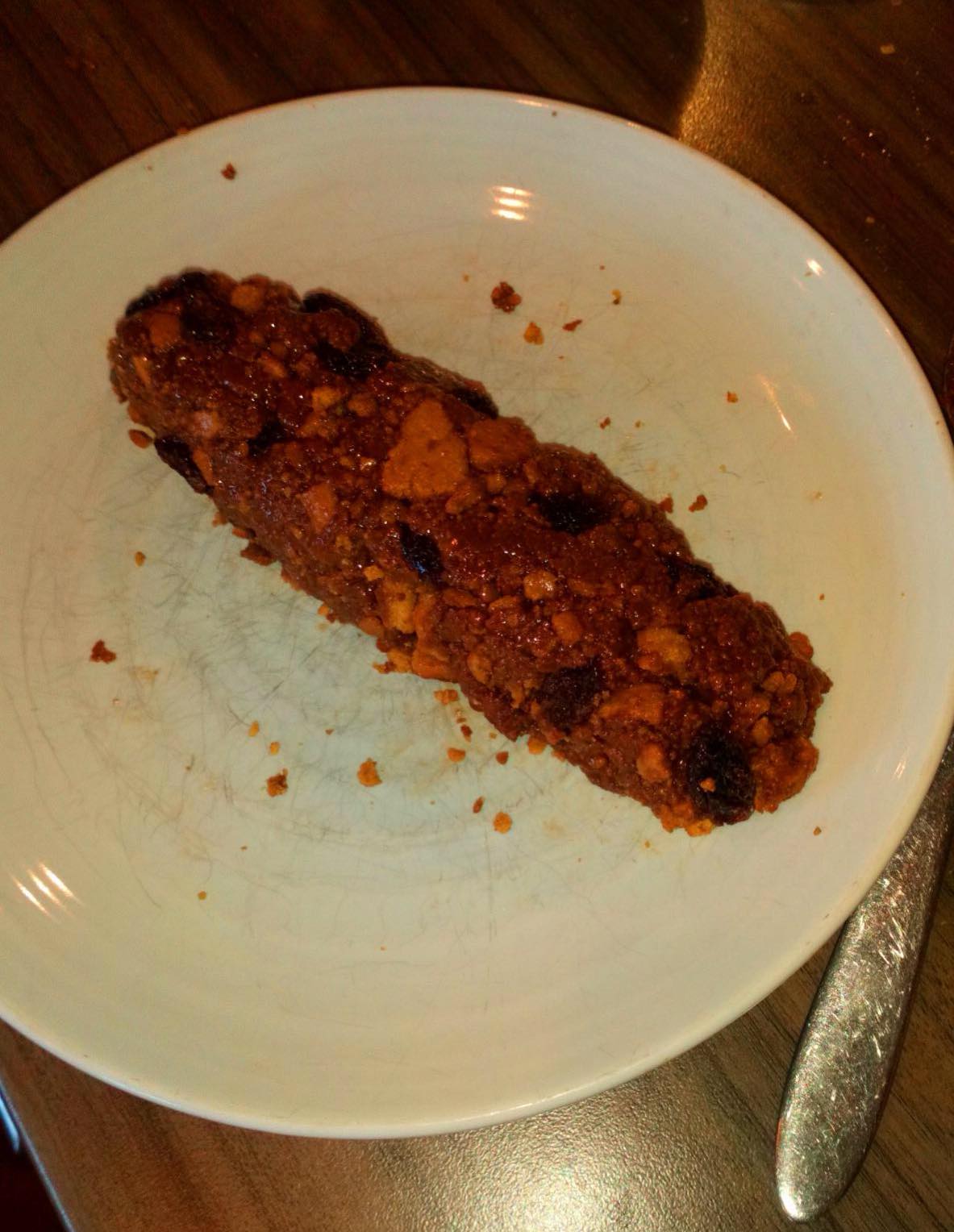
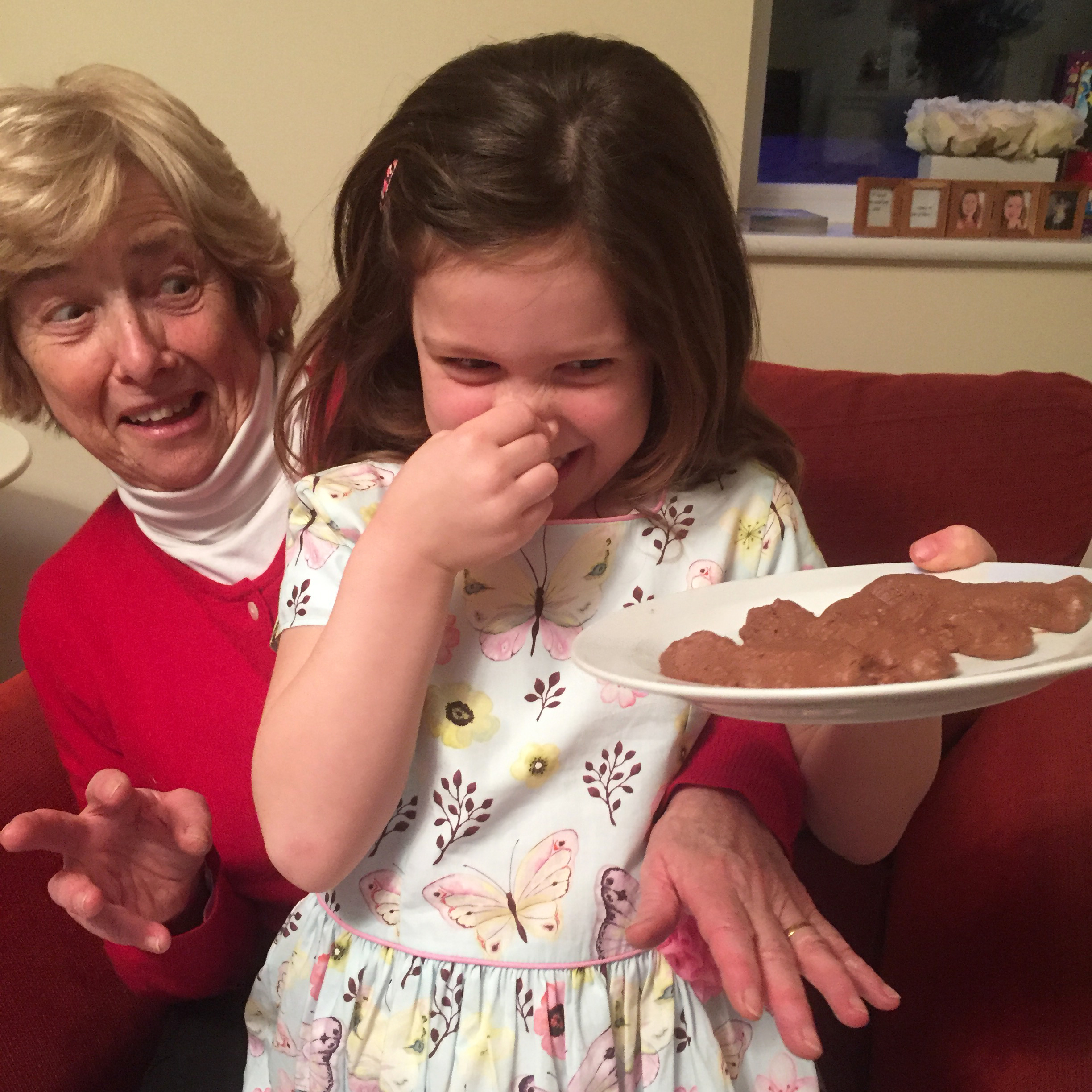
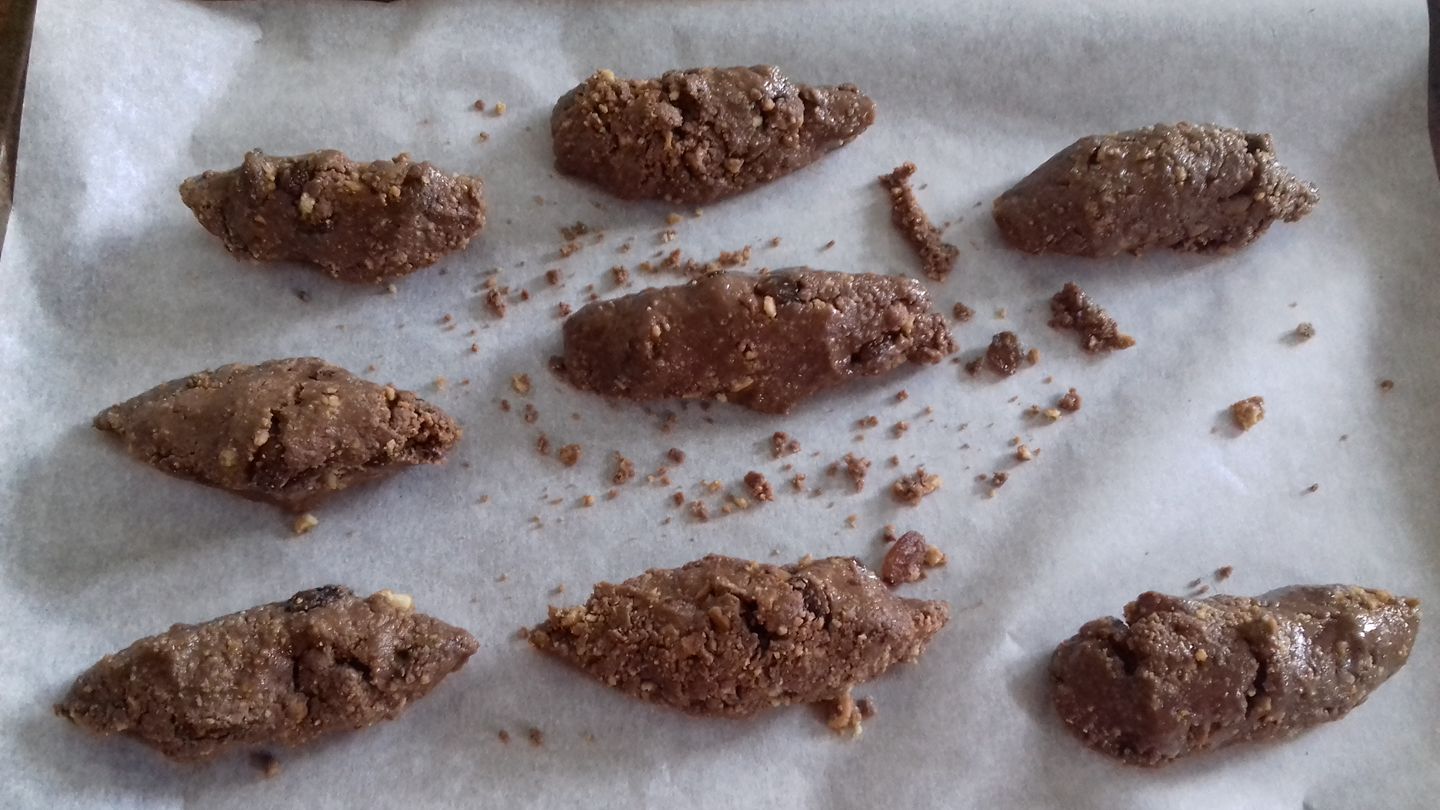
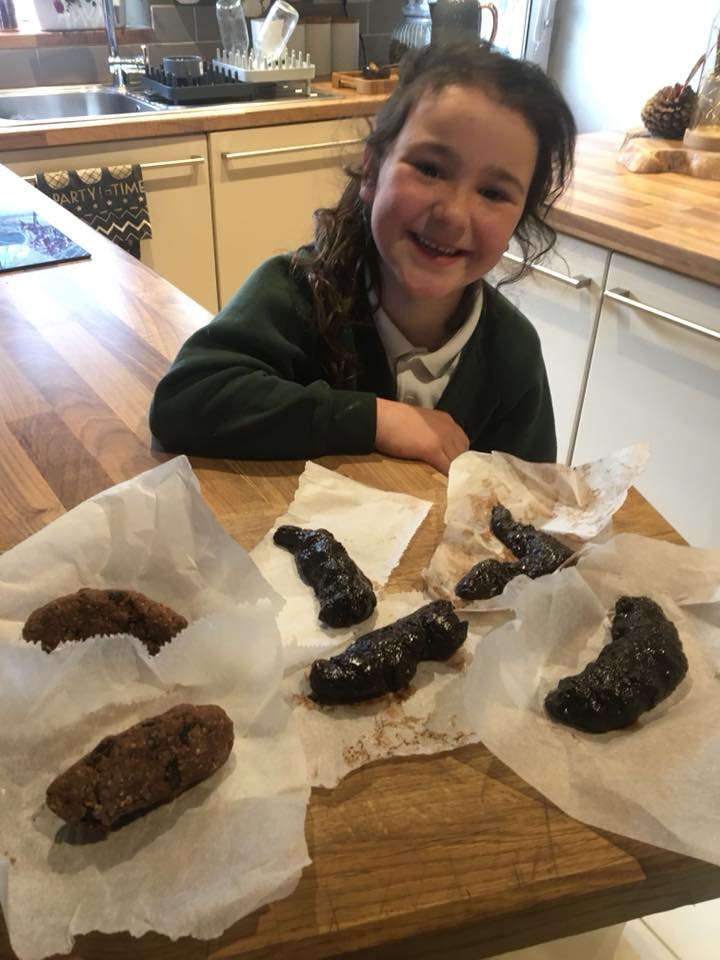
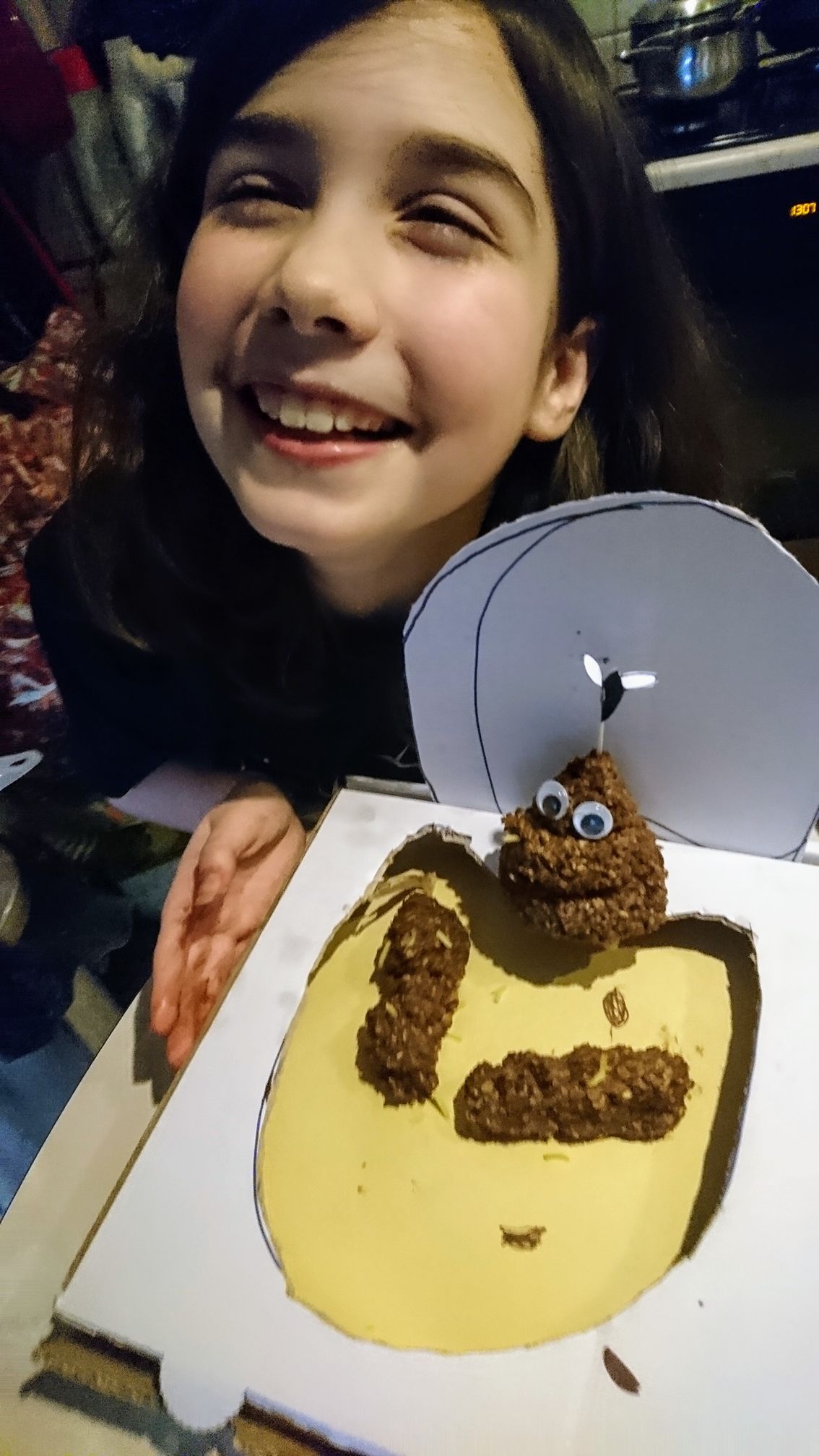
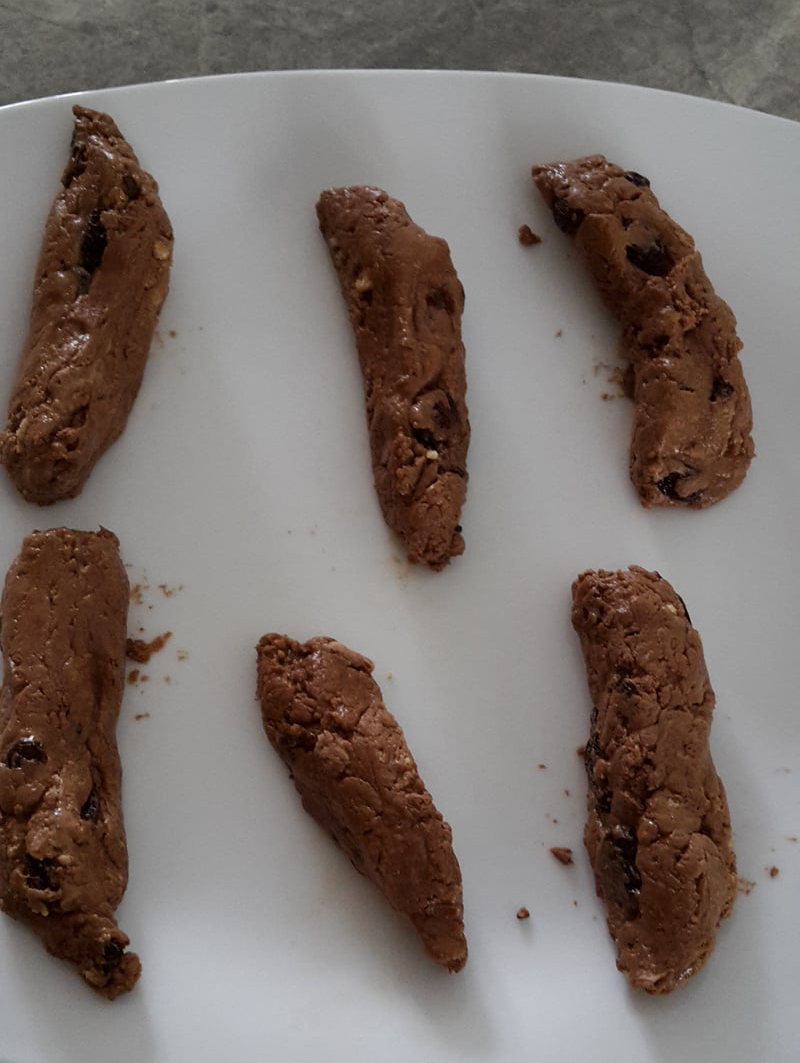
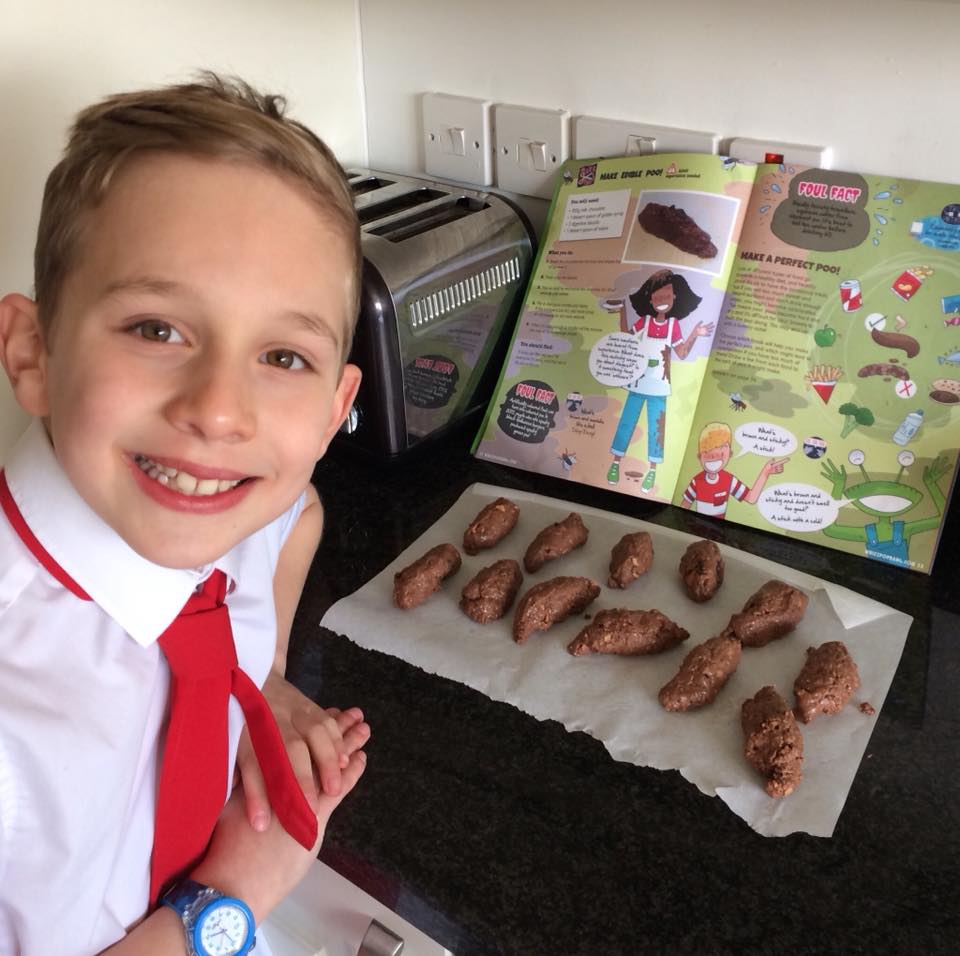
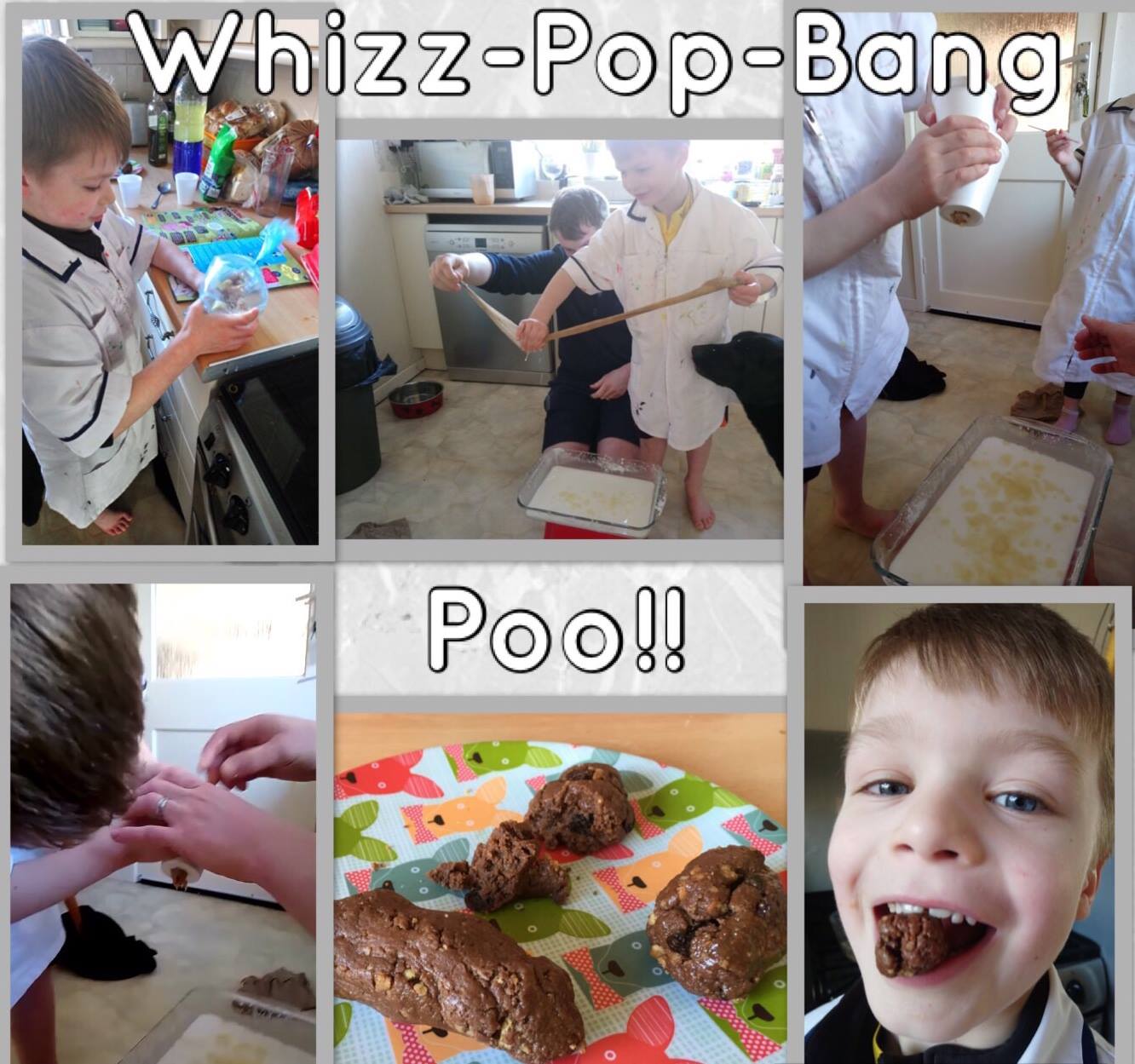
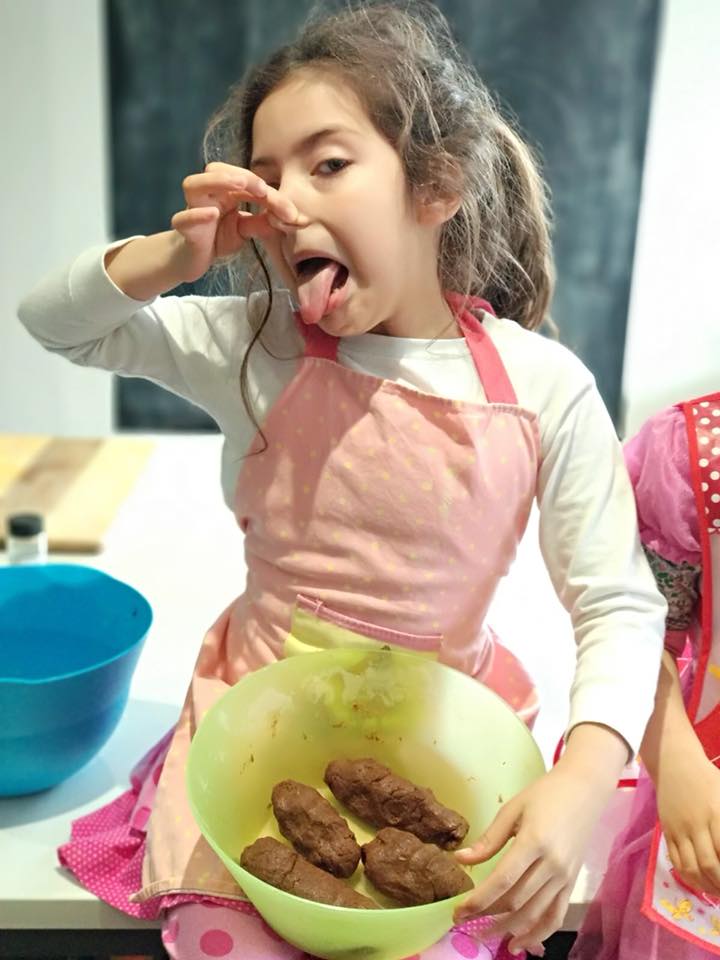
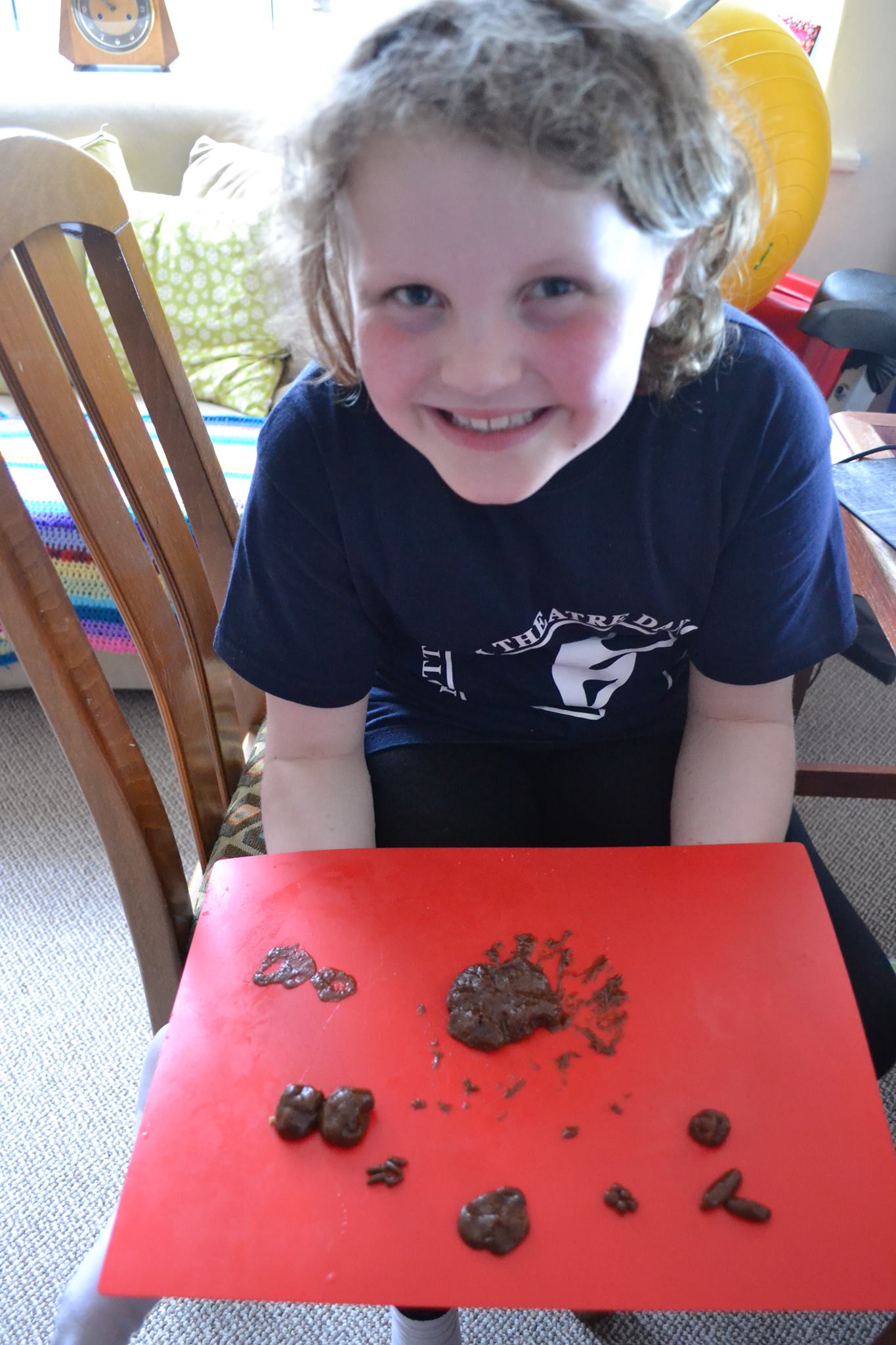
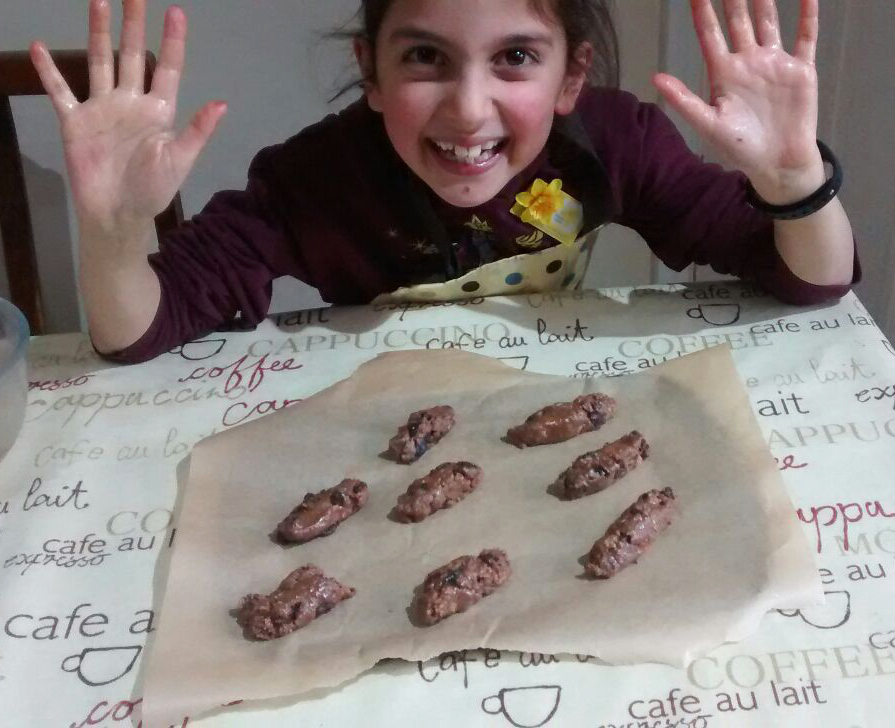
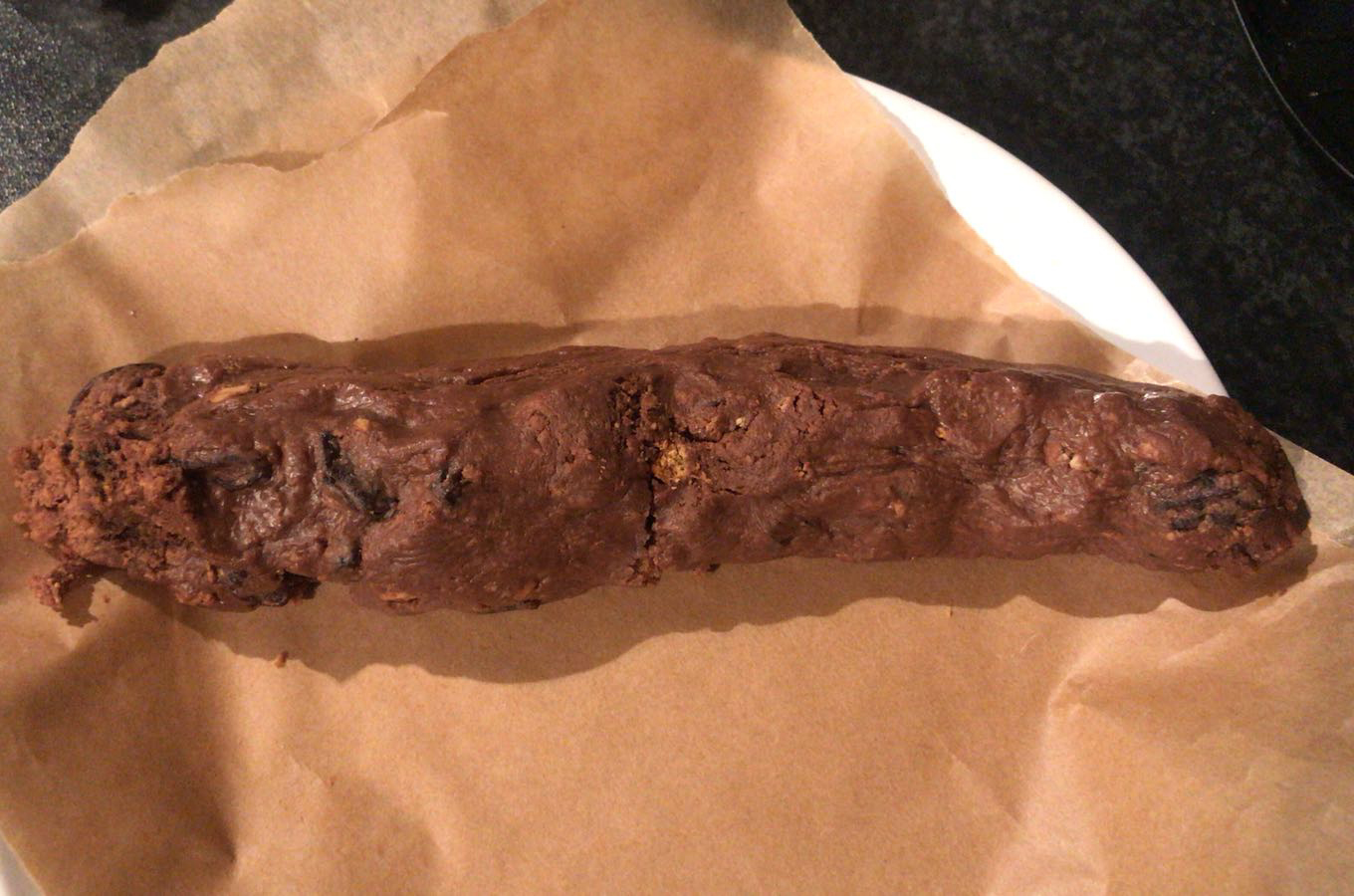
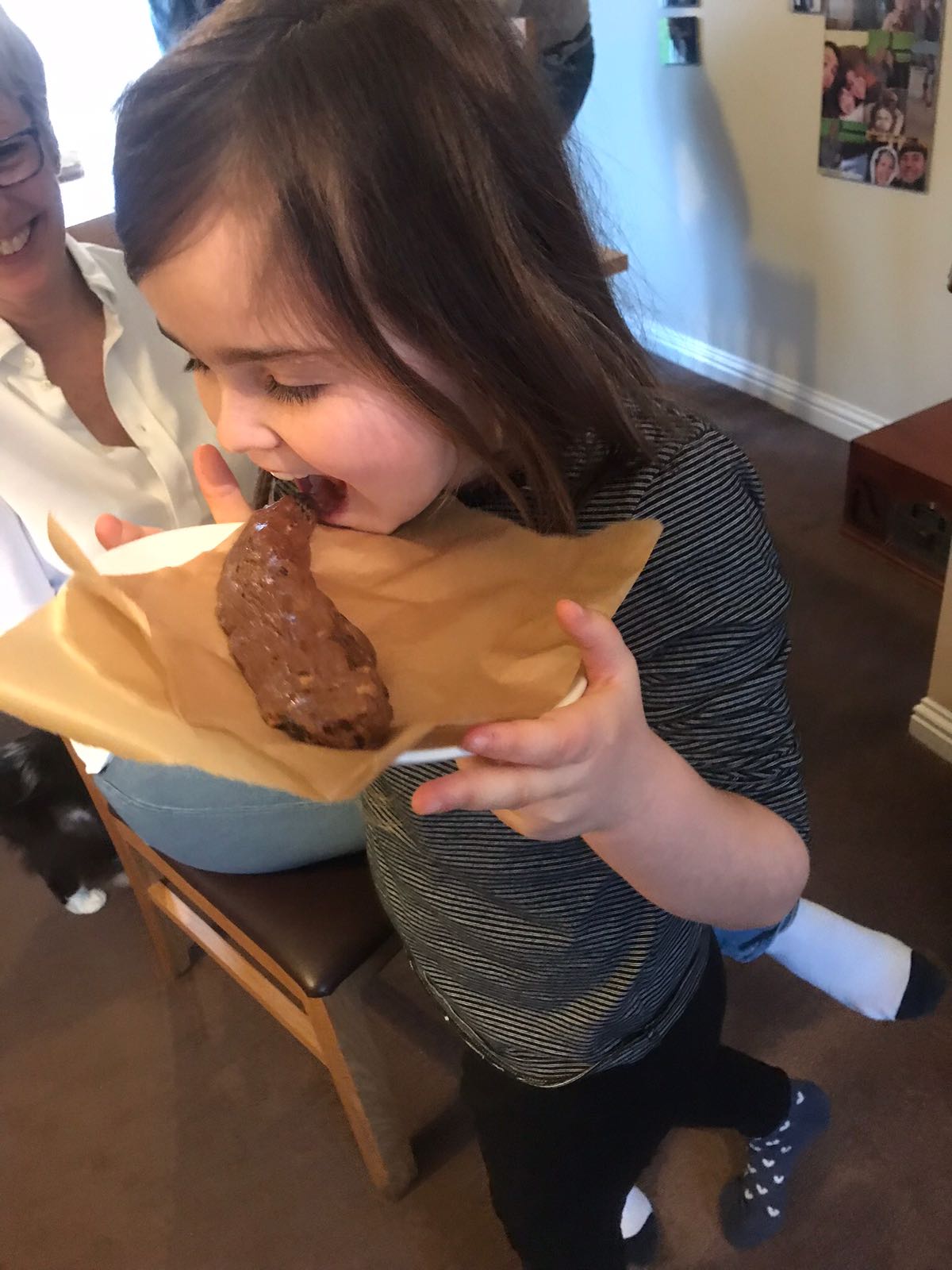
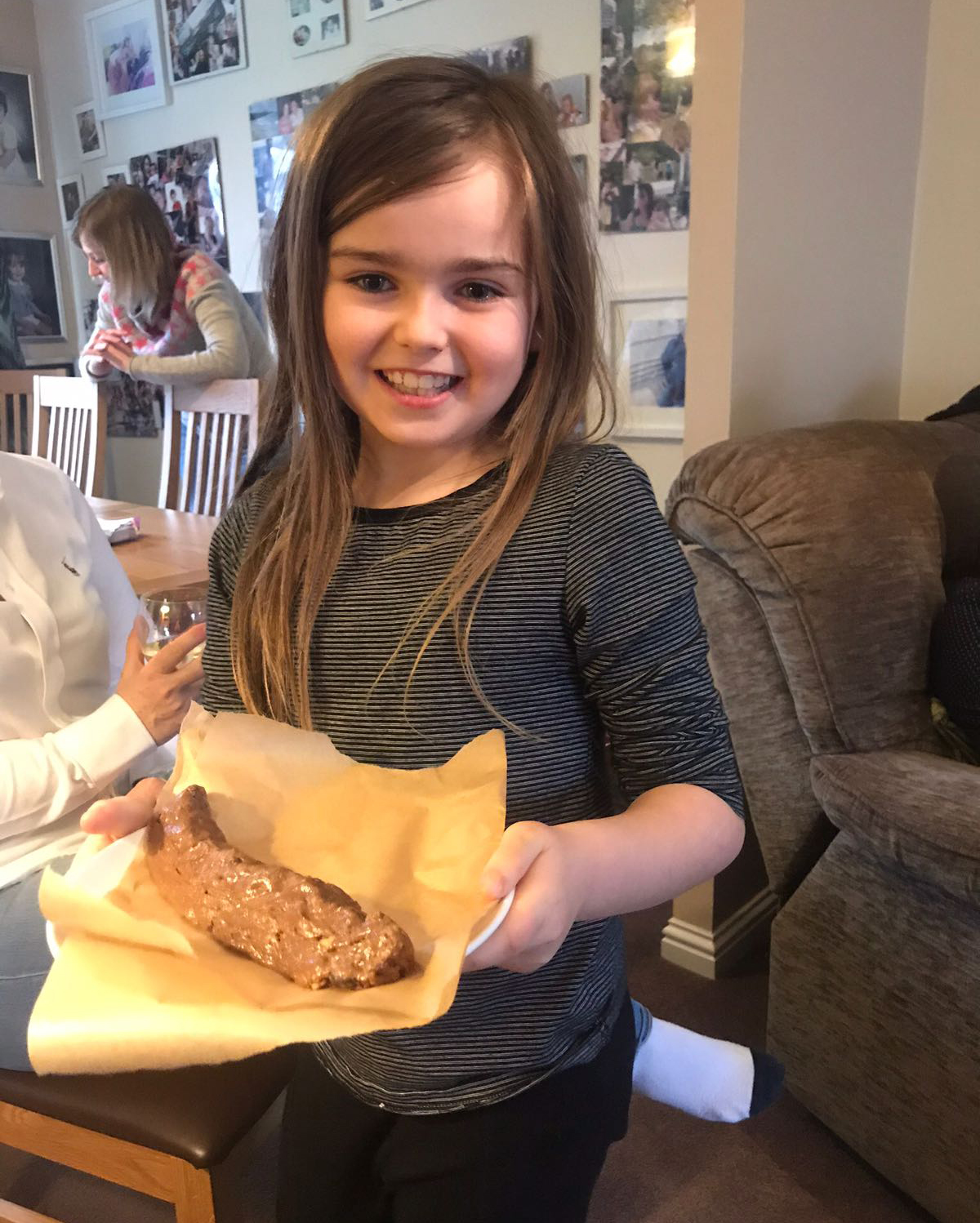
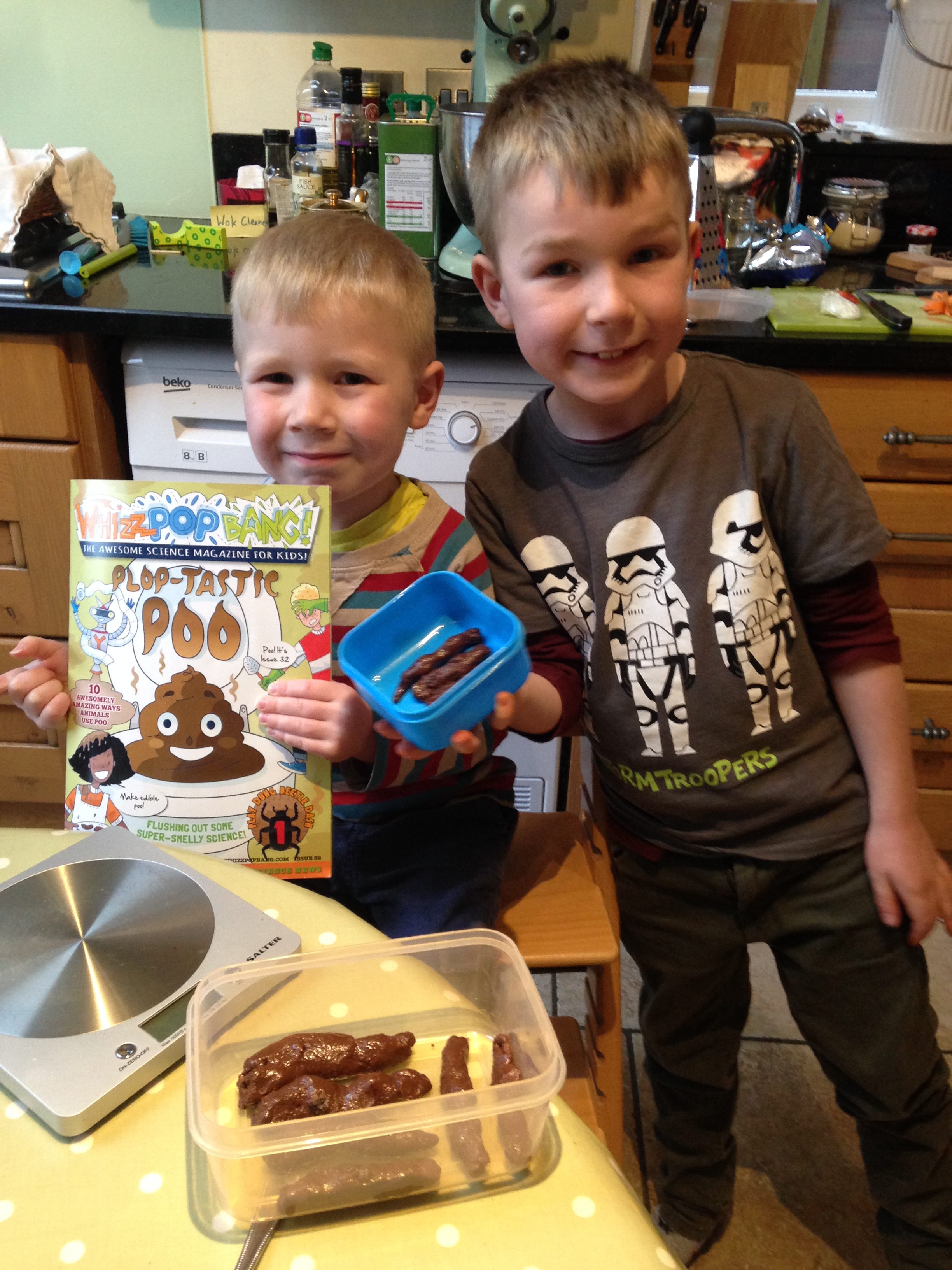
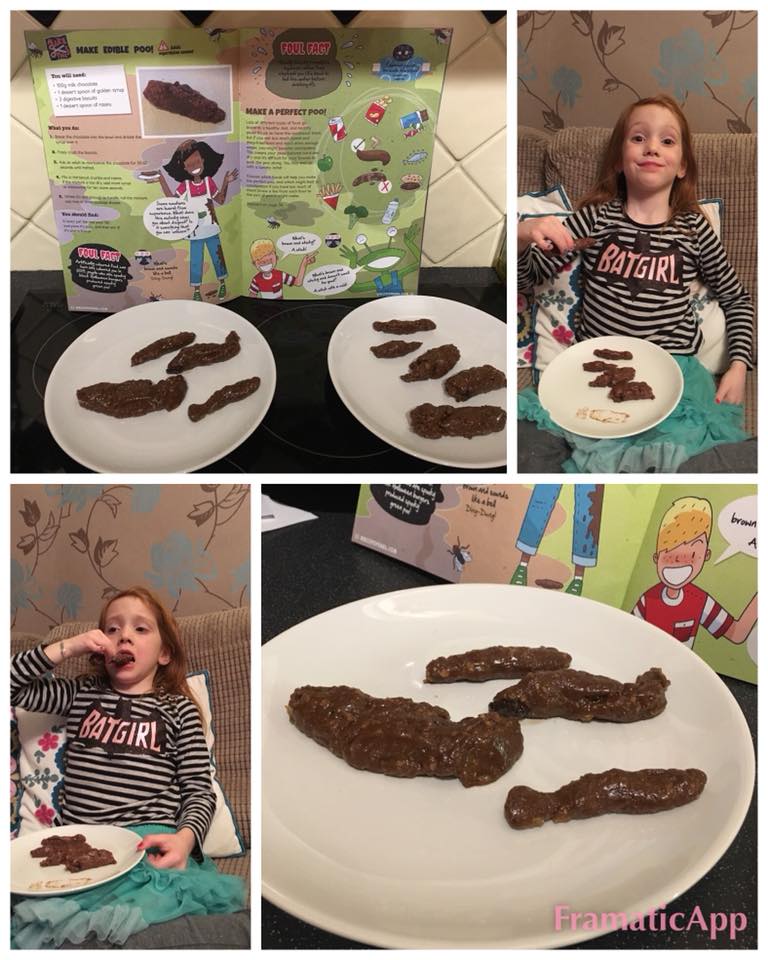
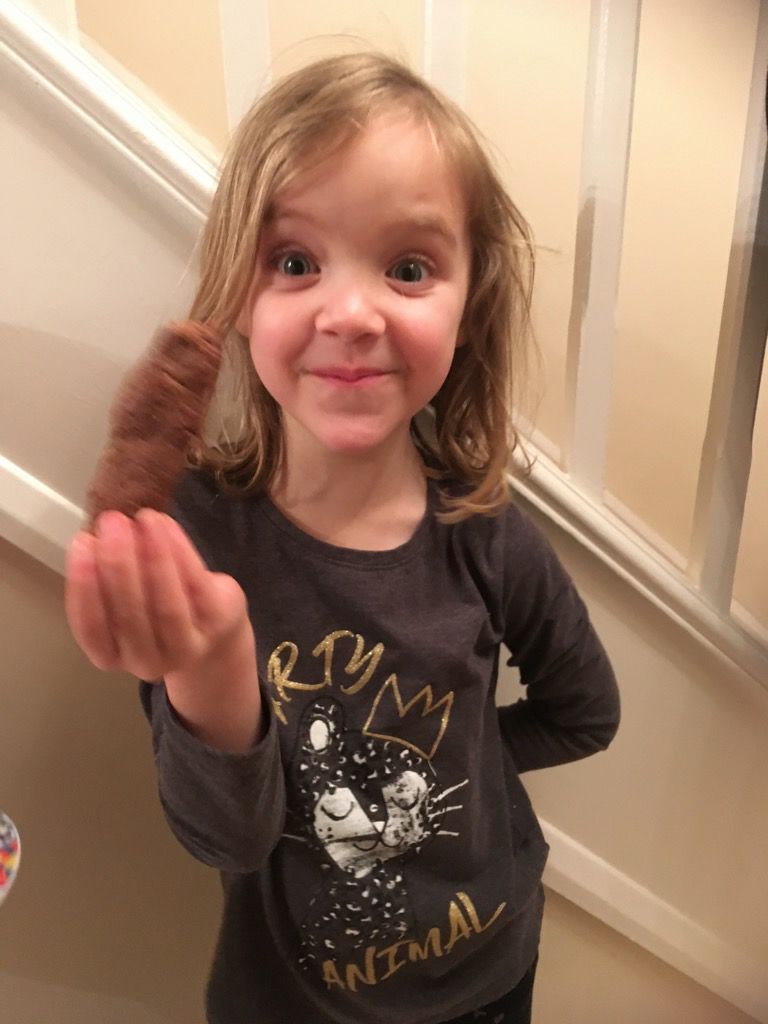
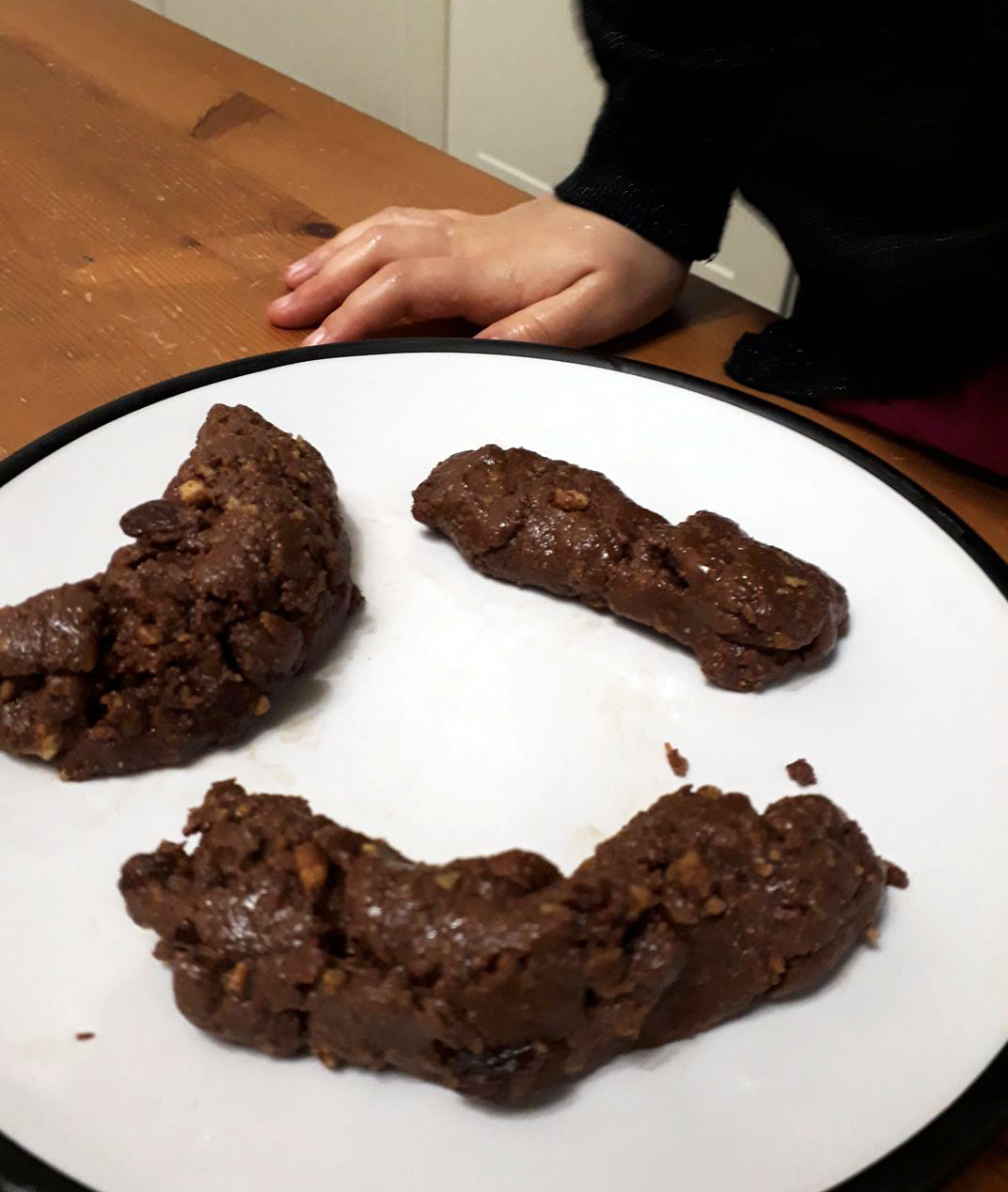
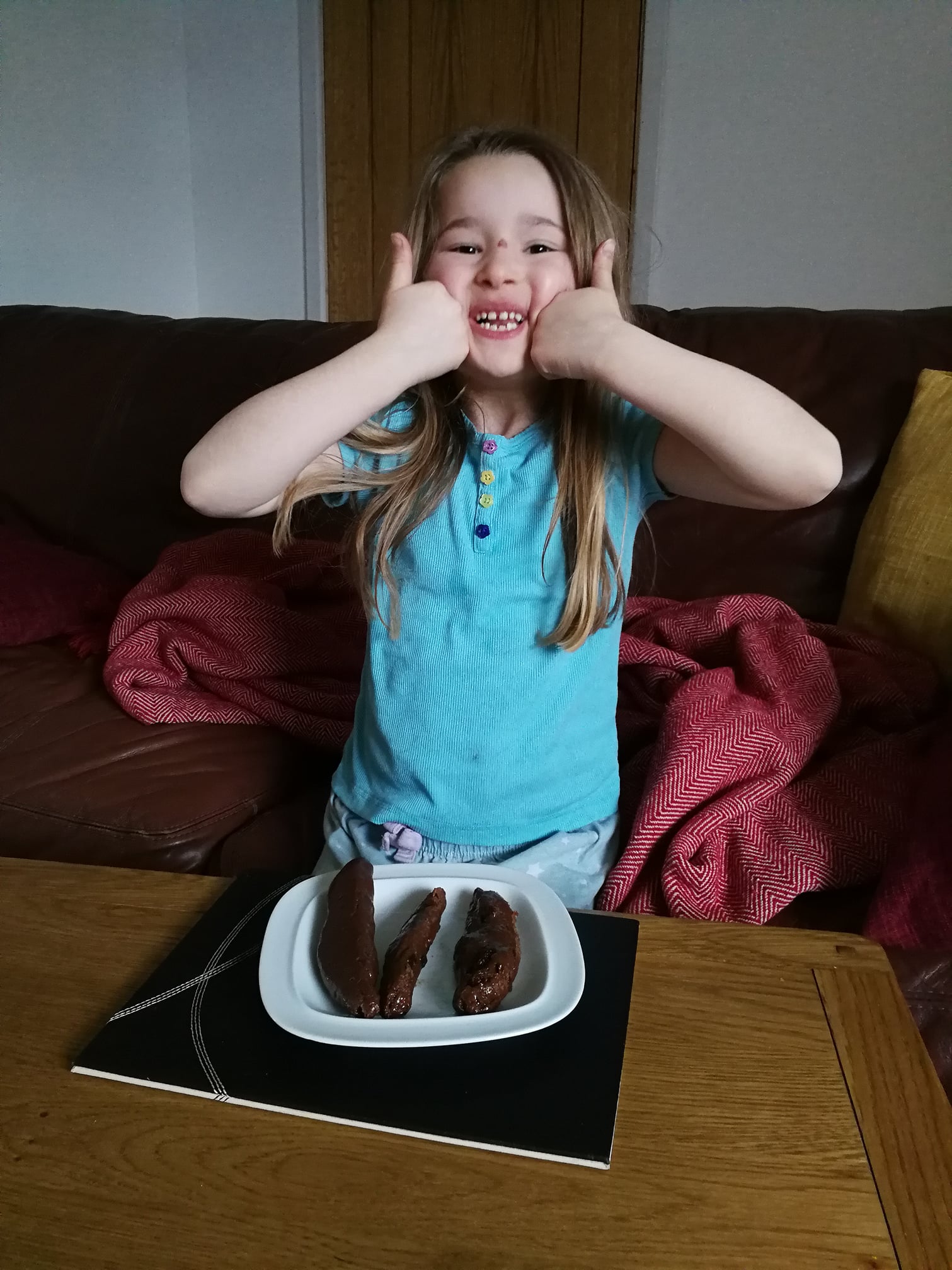
Blurghhh it’s edible poo!

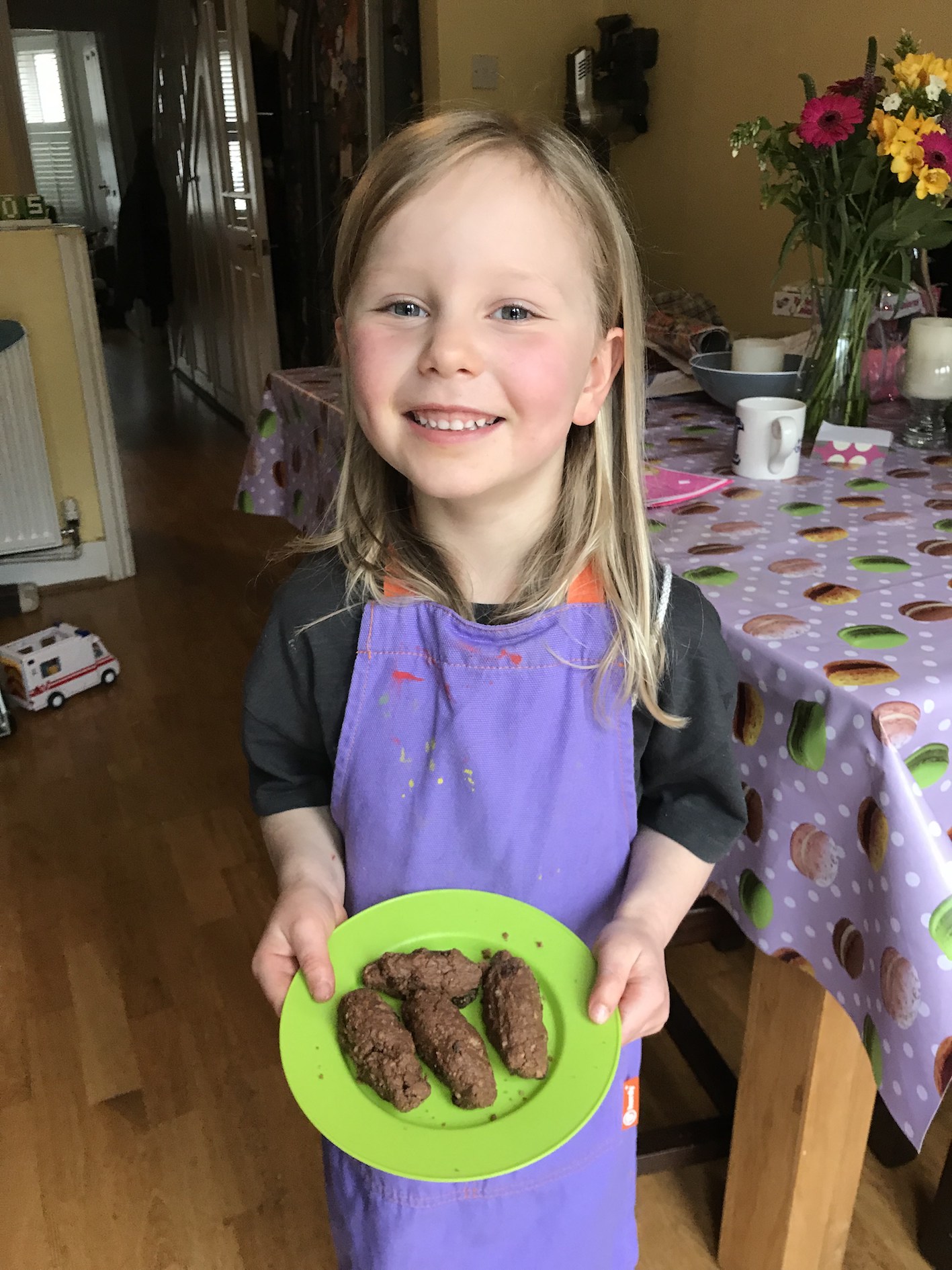
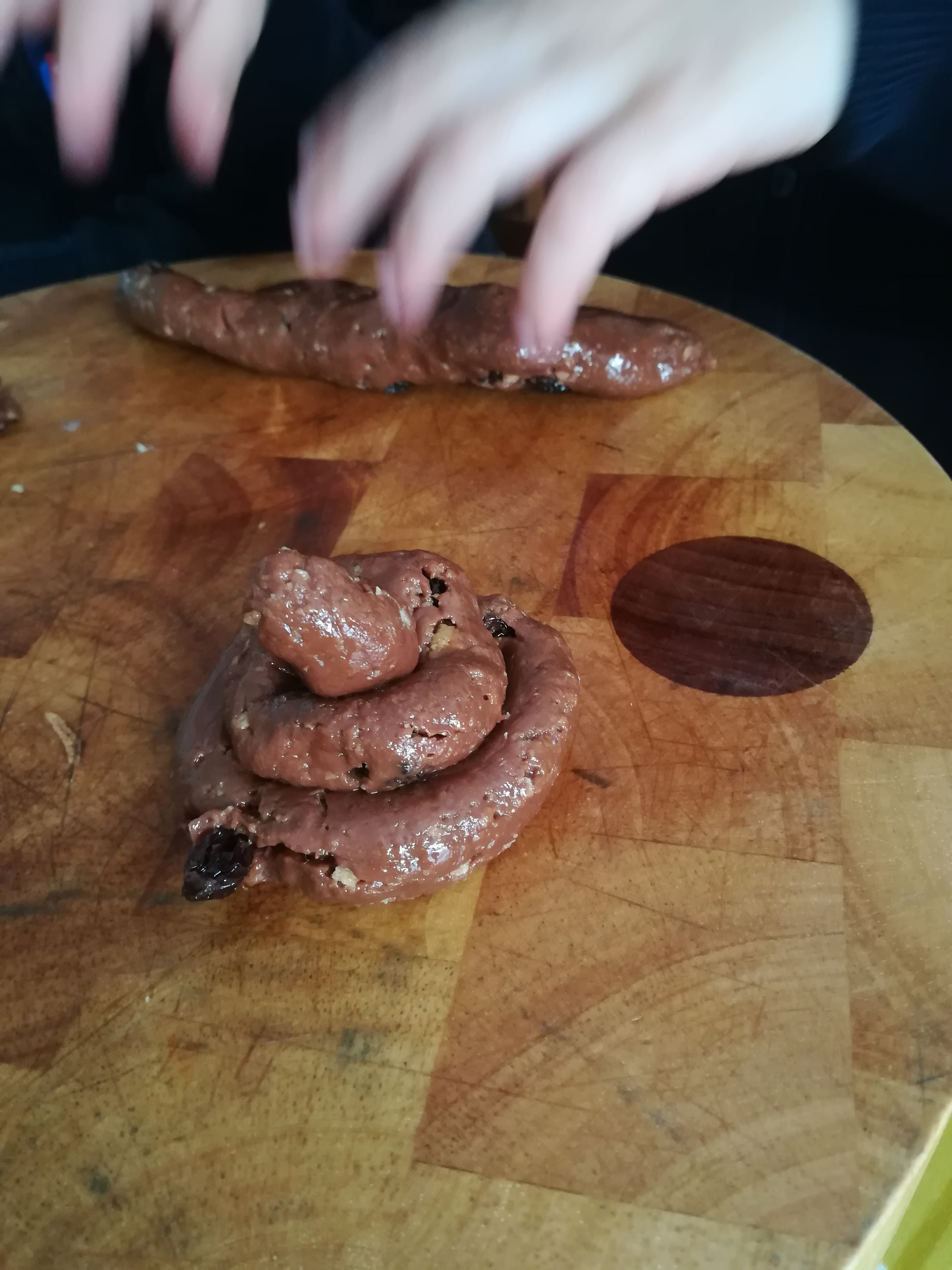
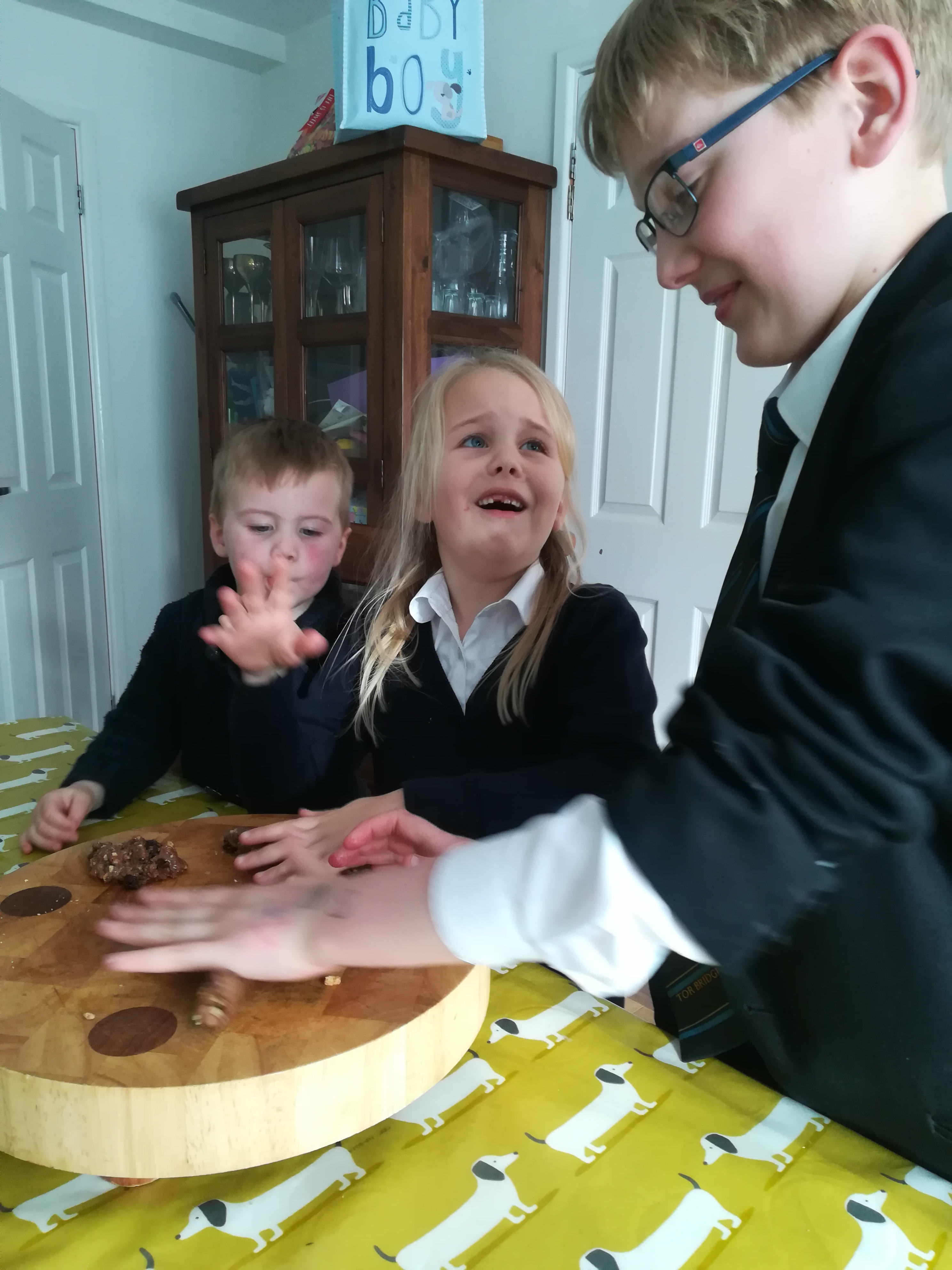
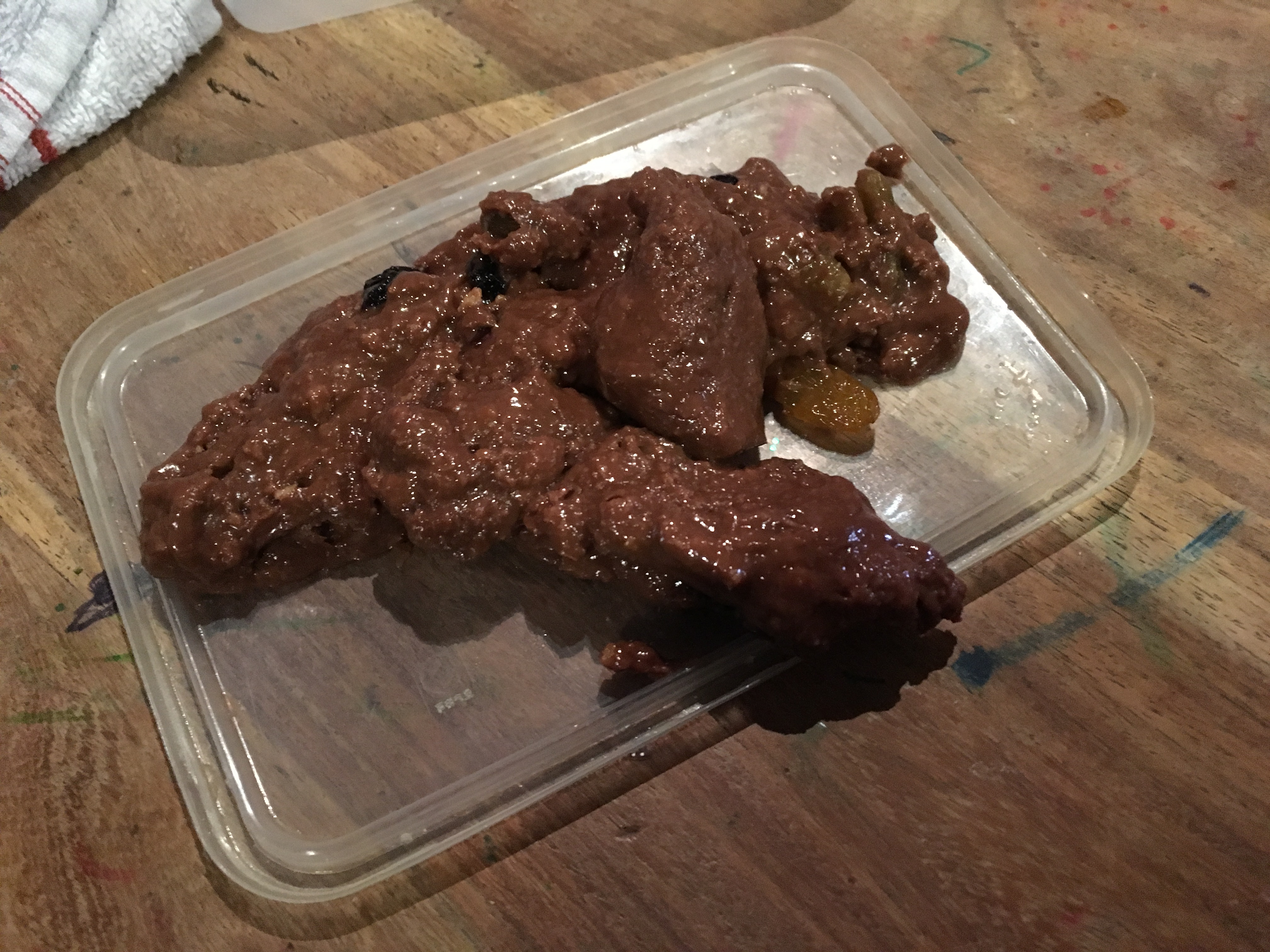
We’ve been inundated with your photos of edible poo!!!! The PLOP-TASTIC poo issue has been the most popular issue of Whizz Pop Bang, proving (as if any parent or teacher needed proof) that kids really do love talking about poo!

WARNING! DO NOT look at these photos whilst eating, or if you’re easily offended by the sight of very realistic poo on a plate…

Intrigued about the ingredients for edible poo? Buy the PLOP-TASTIC poo issue of Whizz Pop Bang science magazine from our back issues shop and let the poo-themed fun begin!

Whizz Pop Bang science magazine poo issue


Post Comment
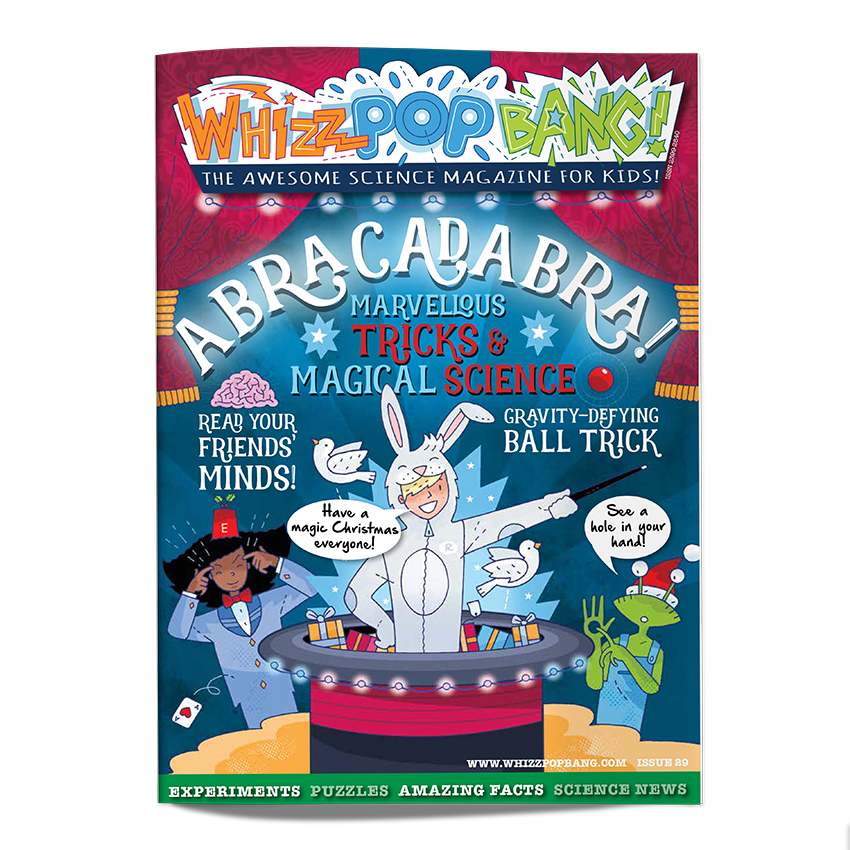
Whizz Pop Bang science magazine for kids ABRACADABRA! December issue #29

Marvellous tricks and magical science

There’s magic in the air here at Whizz Pop Bang! Prepare to wow your friends and family with all sorts of awesome tricks – each with a scientific explanation, of course!

You can make a reindeer with a mysterious moving head, make a dish completely disappear inside another dish, conjure up a Christmas star without using your hands, and magically join two paperclips without even touching them! These are just a few of the marvellous tricks and magical experiments inside the ABRACADABRA issue of Whizz Pop Bang magazine.

Why not host a magic show? You can impress your family and friends with the magic tricks, and then WOW them by explaining how each trick works!


Post Comment
Whizz Pop Bang science magazine for kids day of the dead skulls

The Whizz Pop Bang Halloween issue is out!

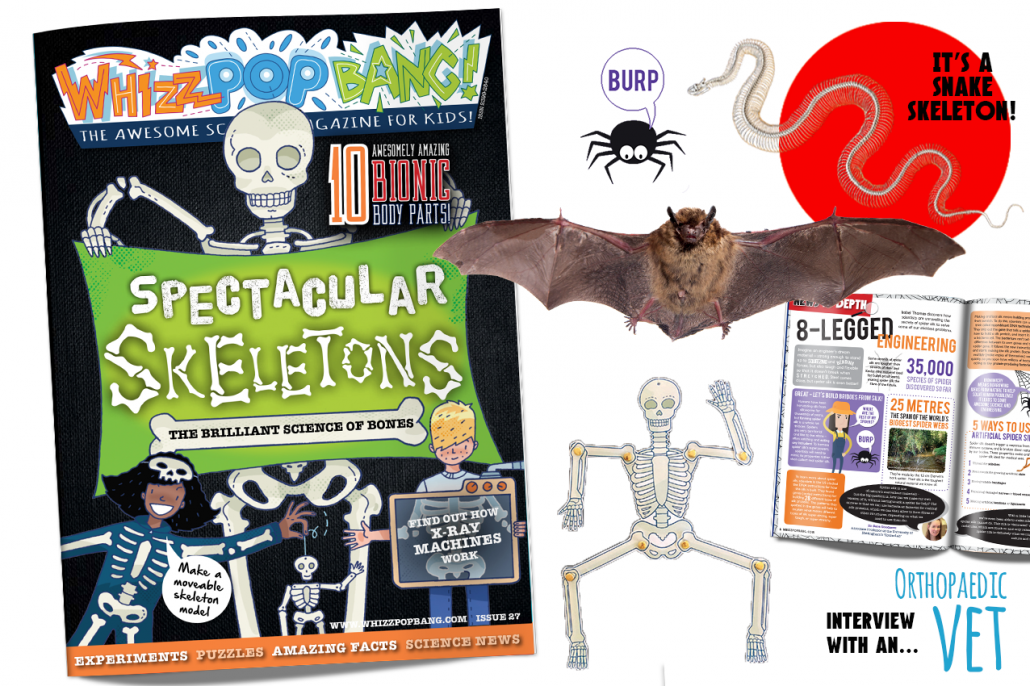
SPECTACULAR SKELETONS

The brilliant science of bones. Did you know that, weight for weight, bone is stronger than steel? Yes, your skeleton is made up of some spookily awesome stuff! Get stuck straight into the bare bones of this issue by crafting a scary skull mask, experimenting with some brilliant bendy bones and building your own model skeleton.

Buy this issue here and get crafting some seriously spooky stuff ready for Halloween ?

Activities included in this issue: make a ball and socket joint, bend a real bone, make a bendy back bone, make a moveable skeleton, craft an x-ray machine and make a Halloween skull mask. Loads of awesome science fun for kids!


Post Comment
conker in shell

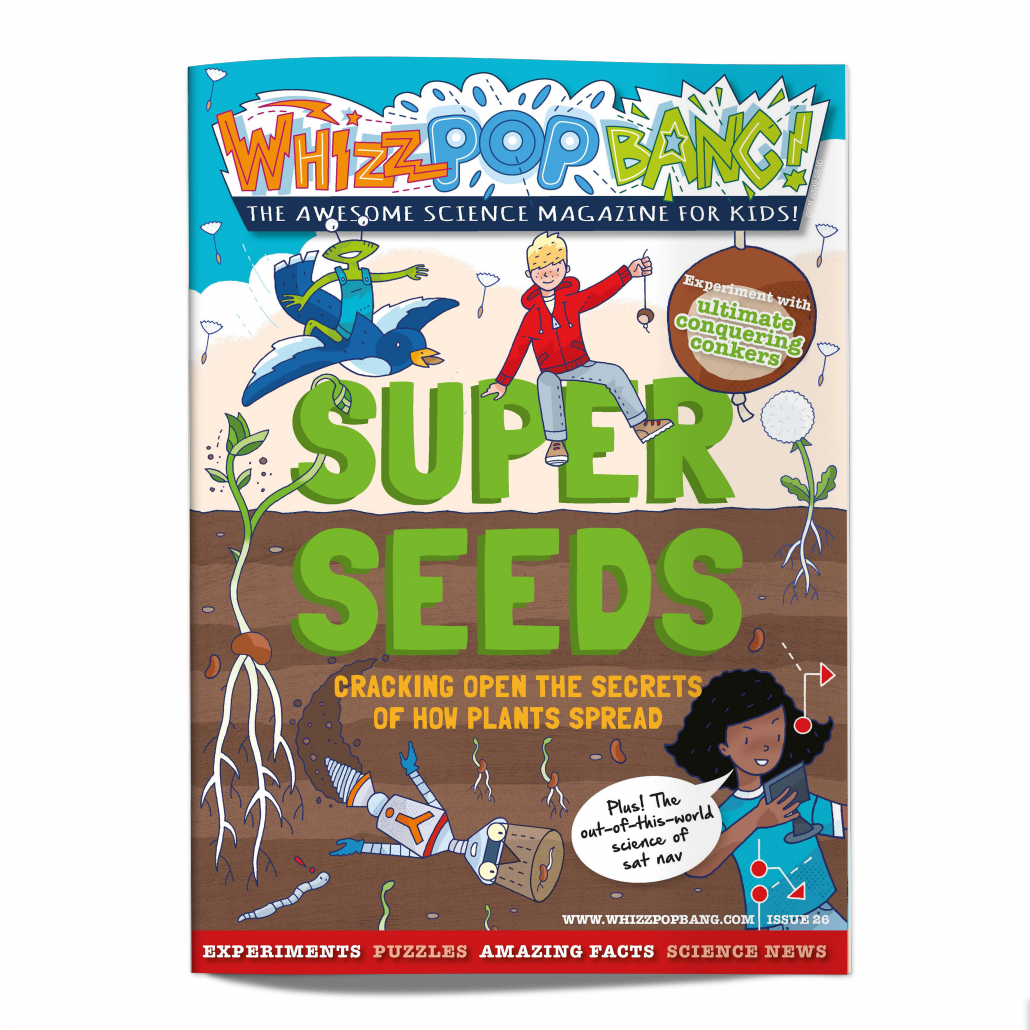
September issue: Super seeds

In this issue we go mad for conkers and pine cones with fun hands-on science activities to learn all about how seeds spread. Everyone wants a bit of distance from their parents from time to time, but since seeds can’t move, they instead rely on cunning techniques to find their own patch of ground. Imagine being fired away from your parent in a green slimy liquid! Yes, this issue we’re looking at seed dispersal – you can try modelling dandelion seeds, making your own pinecone bird feeders and experimenting with a sycamore seed heli-spinner. Find out about the history of the invention of Velcro, which was inspired by nature’s own burs and take a peek inside a top-secret seed bank buried deep inside an arctic mountain. Happy experimenting kids!

Whizz Pop Bang science magazine for kids issue 26 SUPER SEEDS
Whizz Pop Bang science magazine for kids SUPER SEEDS (issue 26)

Not a subscriber? Click here to start a monthly subscription from just £2.92 a month with FREE Uk delivery. 

Buy this SUPER SEEDS single issue in our online shop packed full of all our super science magazines and bundles!


Post Comment
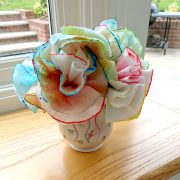
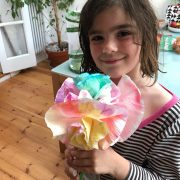
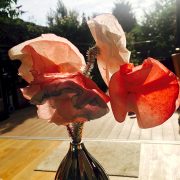
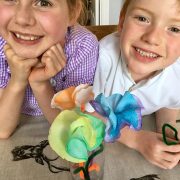
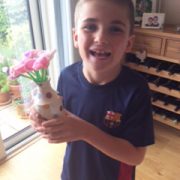
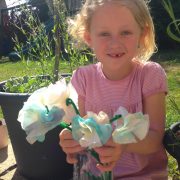
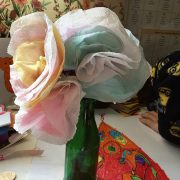
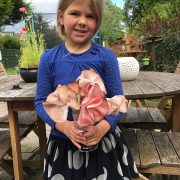
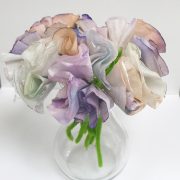
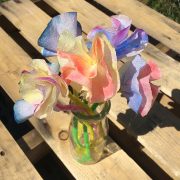
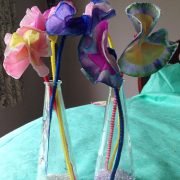
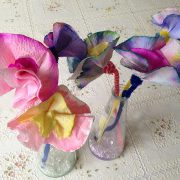
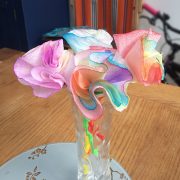
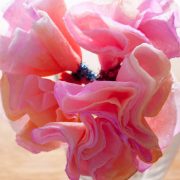
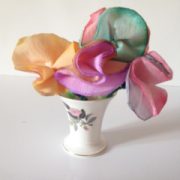
Whizz Pop Bang chromatography flowers

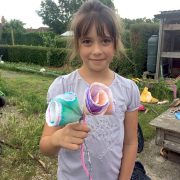
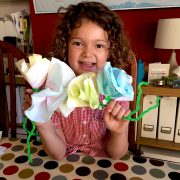
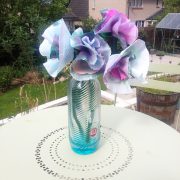
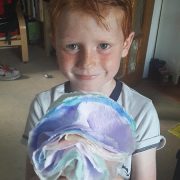
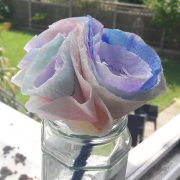
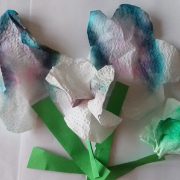
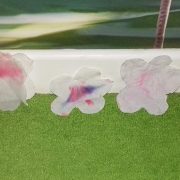
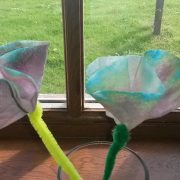
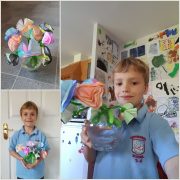
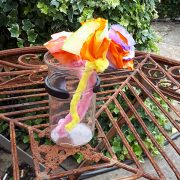
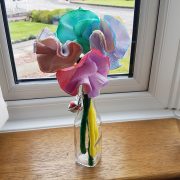
FLOWER POWER chromatography competition entries and winners!

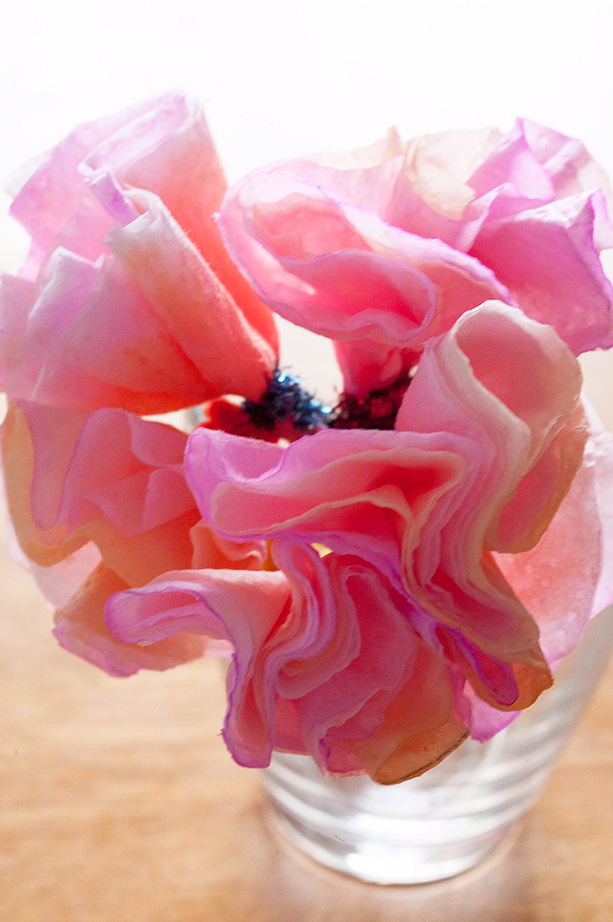
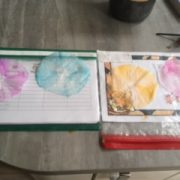
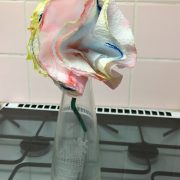
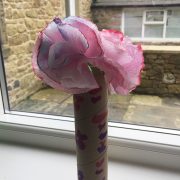
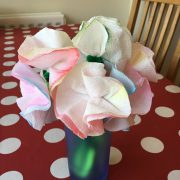
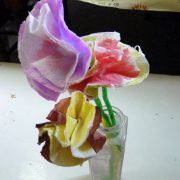
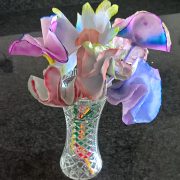
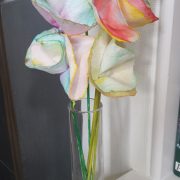
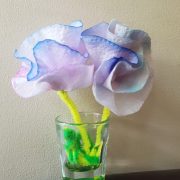
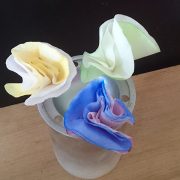
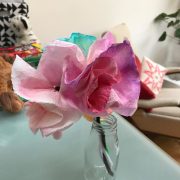
In our FLOWER POWER issue Whizz Pop Bang readers learnt how to use the power of science to make these gorgeously frilly flowers. Paper chromatography is a neat little science trick that you can use to easily separate the different coloured inks out of felt tip pens.

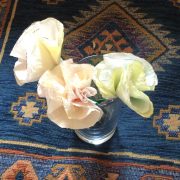
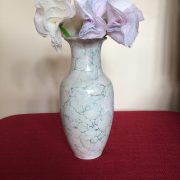
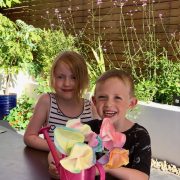
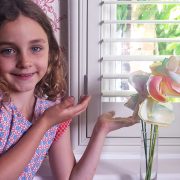
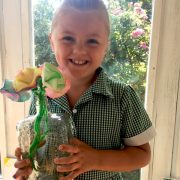
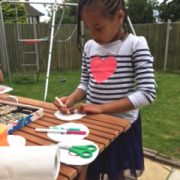
Readers sent in their photos to enter the flower power competition to win a nature keeper tree diary set. As you’ll appreciate it was a tough job choosing just three winners – you should all be winners for producing these colourful creations! However, there could only be three winners and here they are:

Lula Brown, Aged 9
Isabel Soden, Aged 8
Jasper Warner, Aged 5

Congratulations, you have all won a Learning Resources Nature Keeper and Tree Diary Set perfect for summer science in the garden! Have a browse through all the entries for the competition, so many beautiful flowers and budding young scientists… ? ? ?


Post Comment
Whizz Pop Bang science magazine for kids magnifying glass and hair

AWESOME SCIENCE FOR BUDDING YOUNG SCIENTISTS!

Whizz Pop Bang experimenting with nanotubes
A Whizz Pop Bang subscriber experimenting with nanotubes to see how carbon nanotubes behave

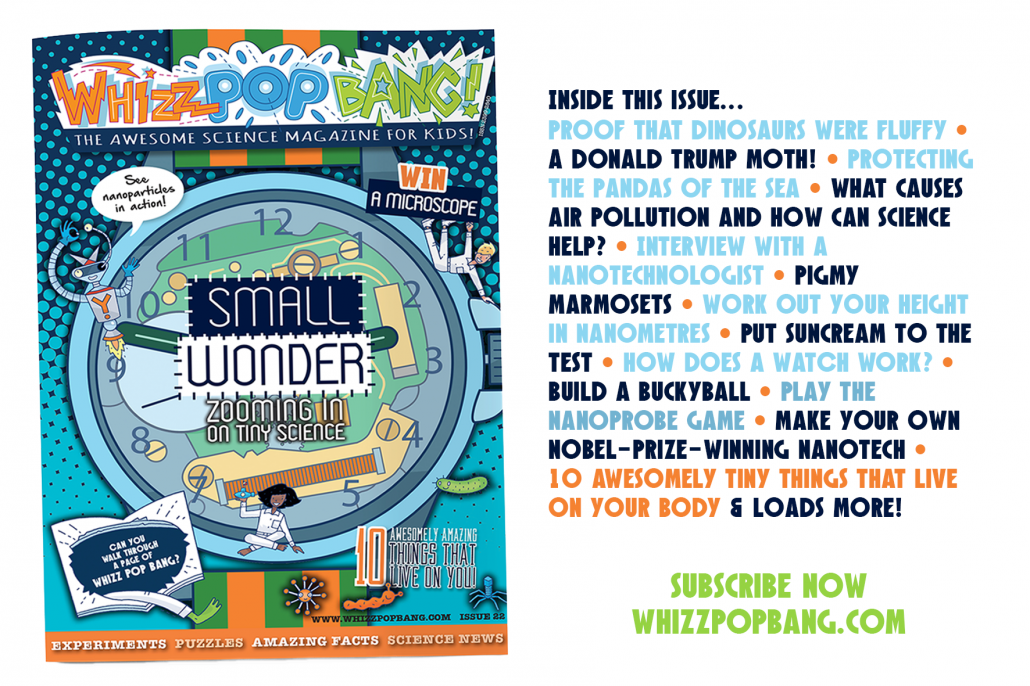
This month we zoom in on tiny science!

Imagine what it would be like to shrink to the size of a dot! This issue we’re doing exactly that to see how things work on a minuscule scale. 

This month we’ve got loads of supercool experiments and activities to turn your mini scientists into nano-scientists! Discover how a watch works, find out all about teeny tiny pygmy marmosets and find out what it’s like to be a nanotechnologist. Meet sensational scientist Richard Feynman, who encouraged scientists to “think small”. Plus, our 10 Awesomely Amazing tiny things that live on your body, blurghhh!

As always, happy experimenting 🙂

From the WPB team x


Post Comment

How to make fake snow with a disposable nappy!

[av_image src=’https://www.whizzpopbang.com/blog/wp-content/uploads/2017/01/Whizz-Pop-Bang-how-to-make-fake-snow-1.png’ attachment=’494′ attachment_size=’full’ align=’center’ styling=” hover=’av-hover-grow’ link=’manually,http://whizzpopbang.com’ target=’_blank’ caption=” font_size=’14’ appearance=” overlay_opacity=’0.6′ overlay_color=’#000000′ overlay_text_color=’#ffffff’ animation=’no-animation’]
How to make fake snow with a disposable nappy!
[/av_image]

[av_textblock size=’14’ font_color=” color=”]
All you need to make your own fake snow at home are some cheap disposable nappies! Tear open the nappies over a large mixing bowl and shake out the small amount of white powder, so that it falls into your bowl. Remove any fluffy bits of nappy padding, then pour in some water, a little at a time, while stirring. You’ll be amazed at how much water the powder can absorb. Watch the spectacular transformation into slushy fake snow! The white powder is sodium polyacrylate, a polymer (a long chain-like molecule) which can absorb 300 times its own weight in water (which is why it’s used in nappies!).
[/av_textblock]

[av_gallery ids=’485,483,484′ style=’thumbnails’ preview_size=’portfolio’ crop_big_preview_thumbnail=’avia-gallery-big-crop-thumb’ thumb_size=’no scaling’ columns=’2′ imagelink=’aviaopeninbrowser noLightbox’ lazyload=’deactivate_avia_lazyload’]


Post Comment

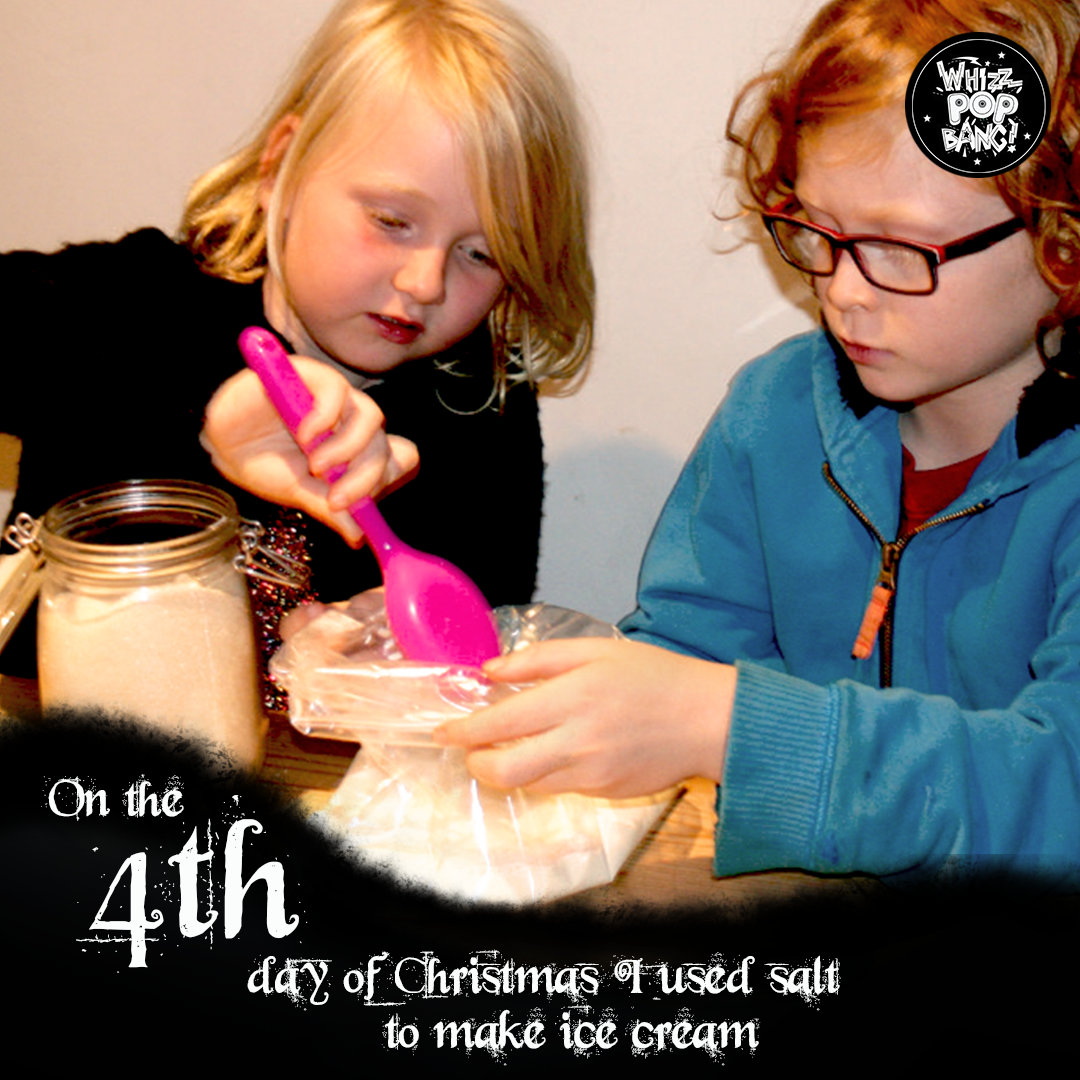
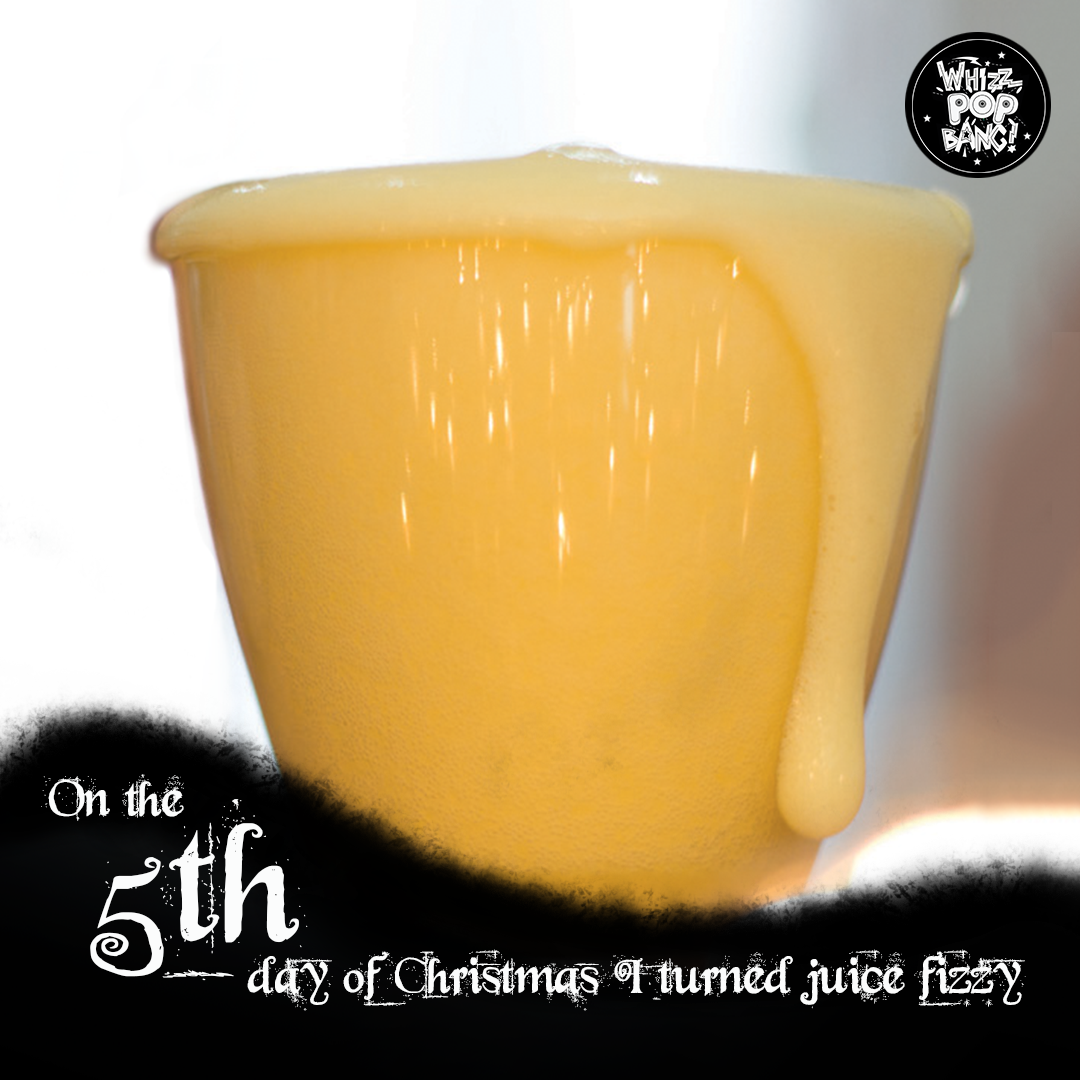
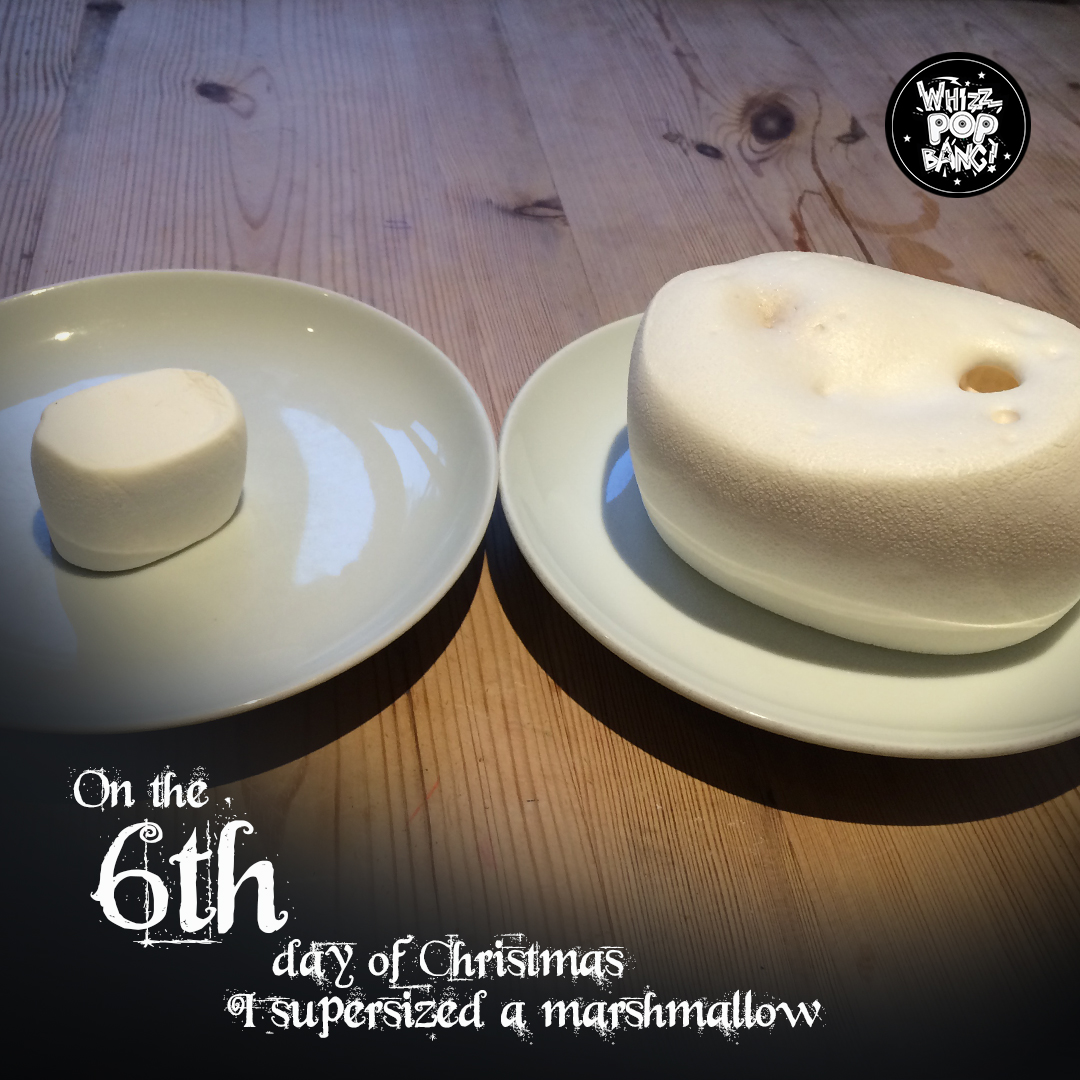
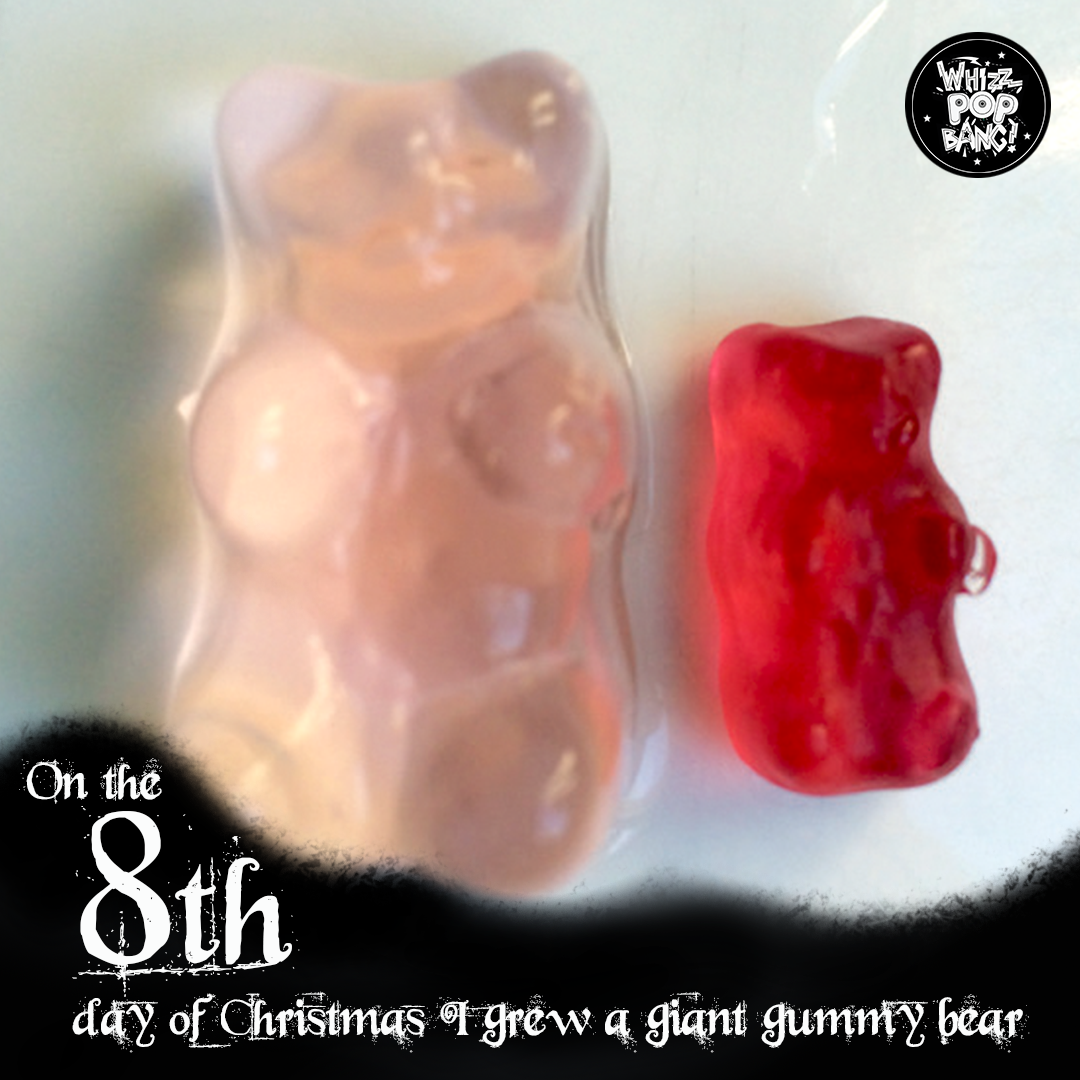
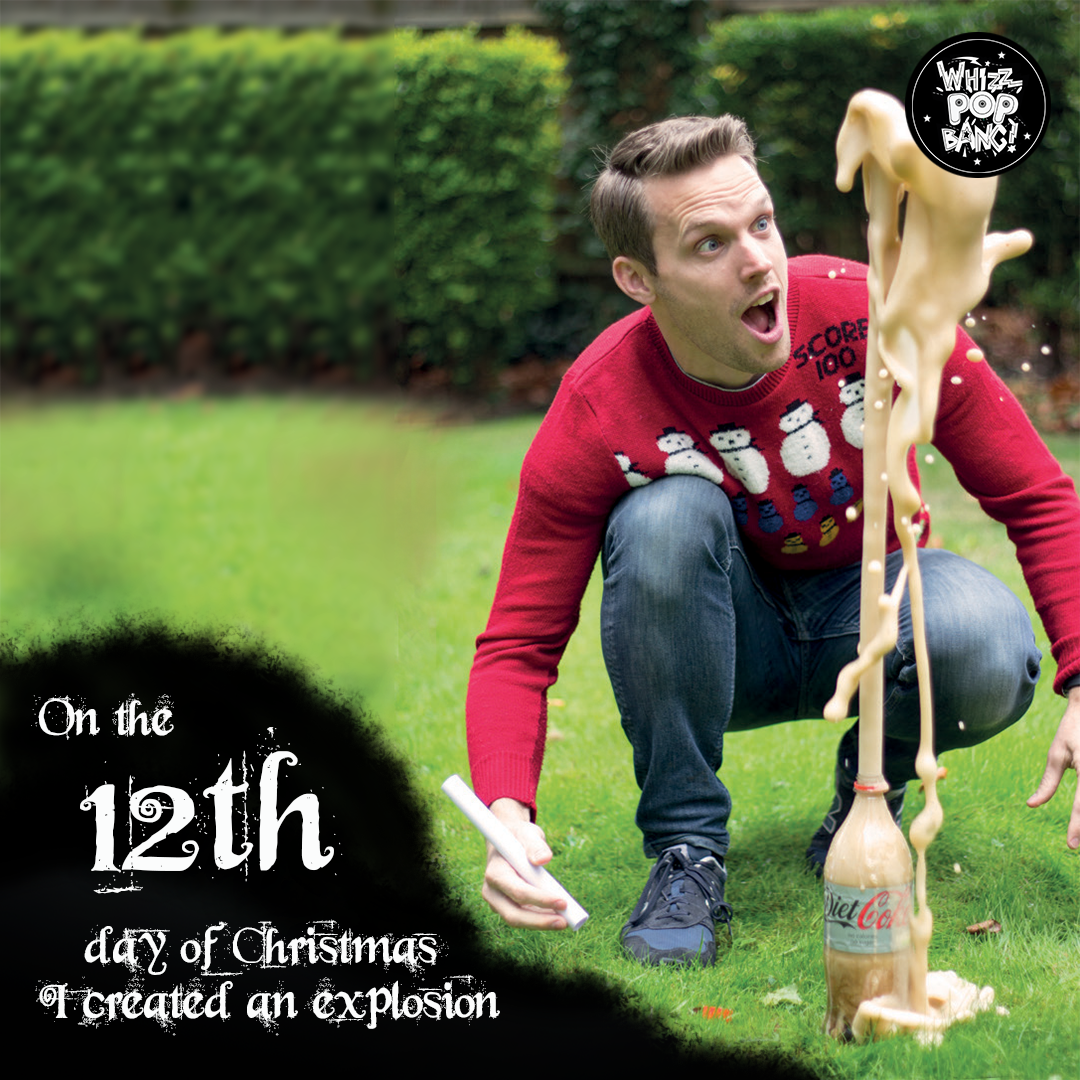
12 Days of Christmas Edible Science fun

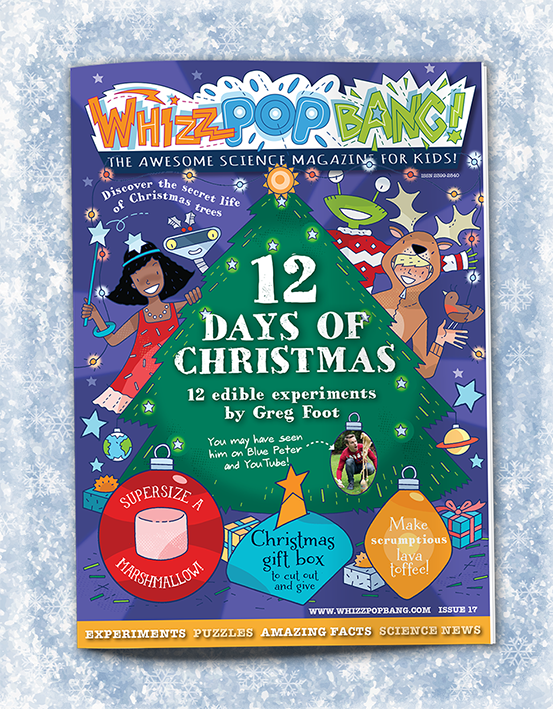
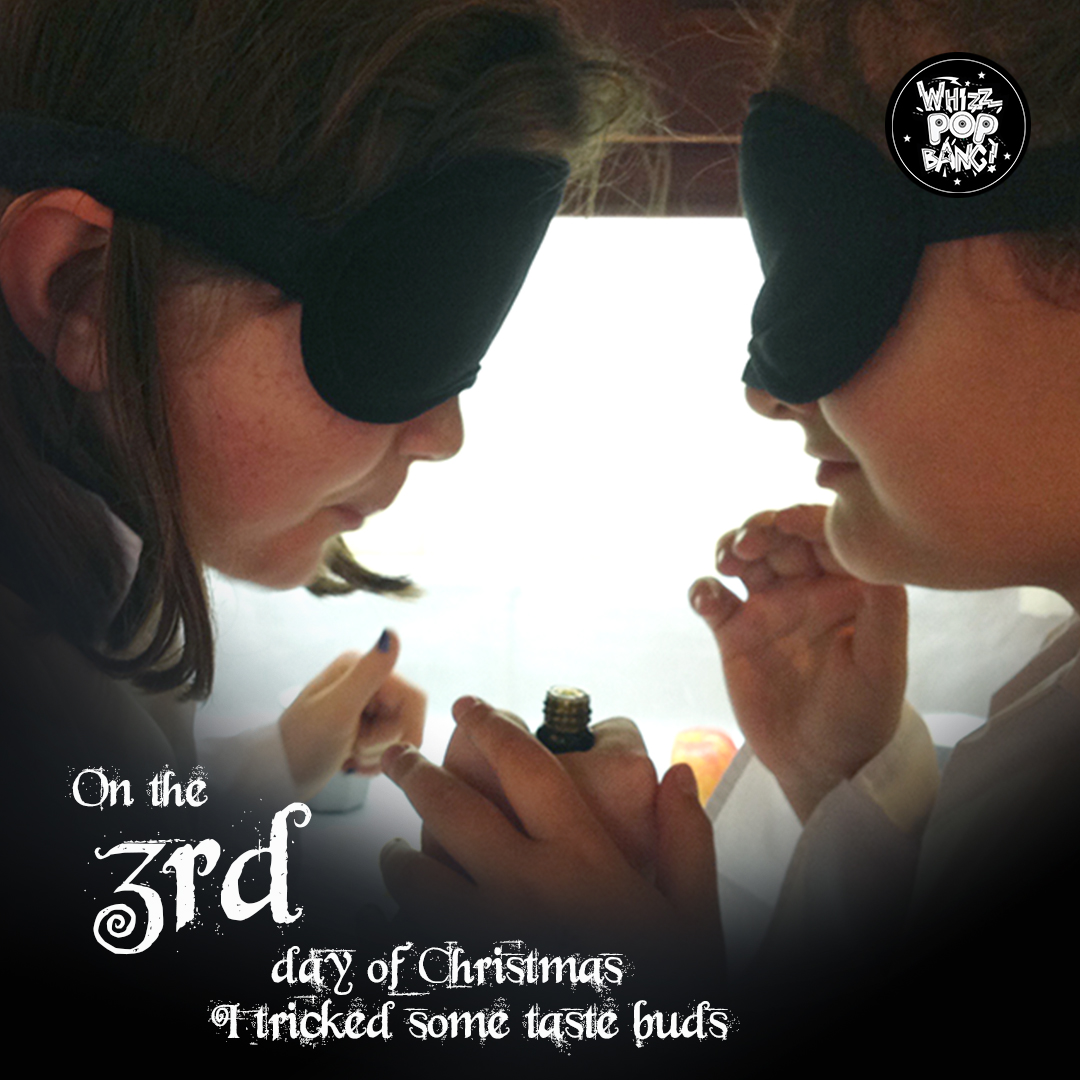
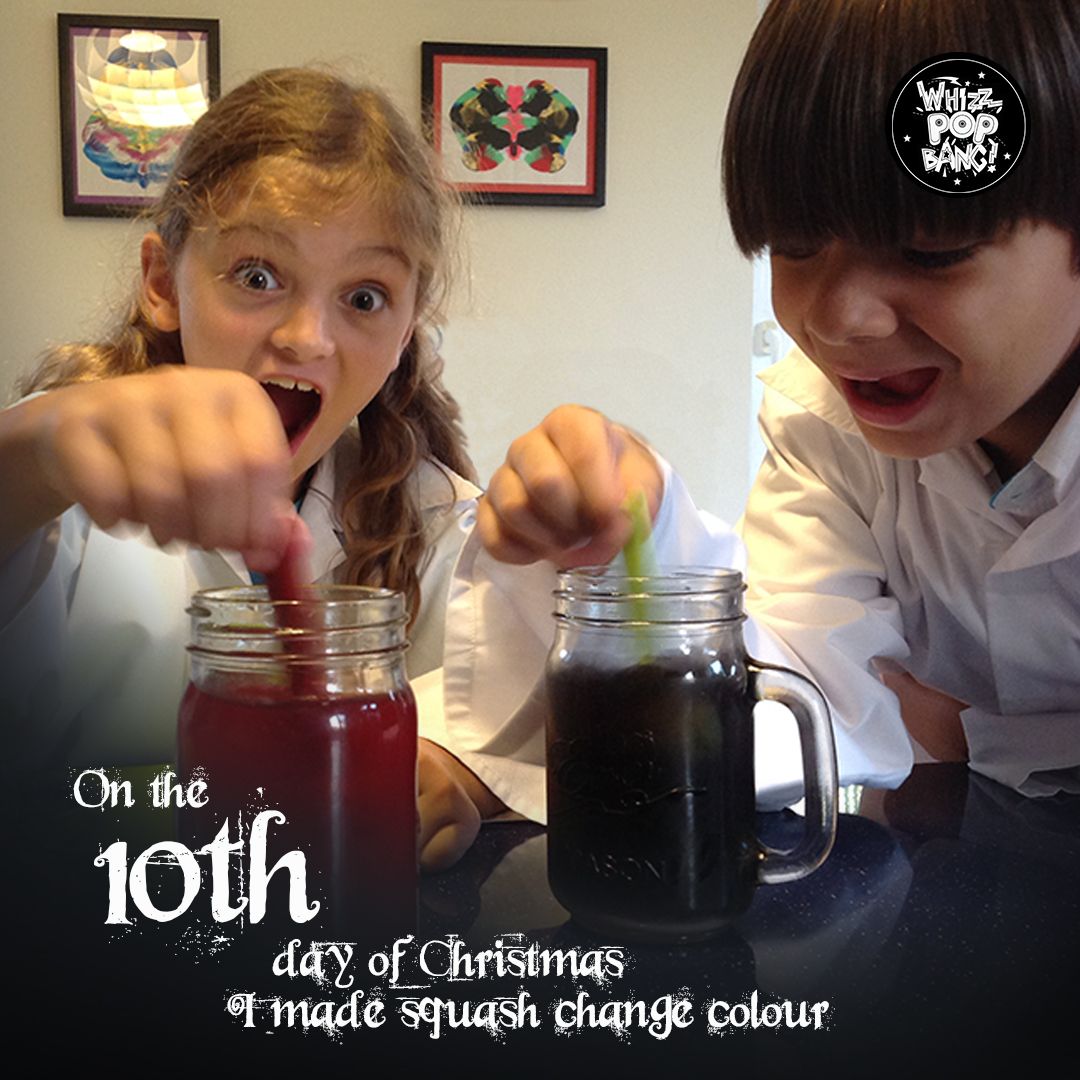
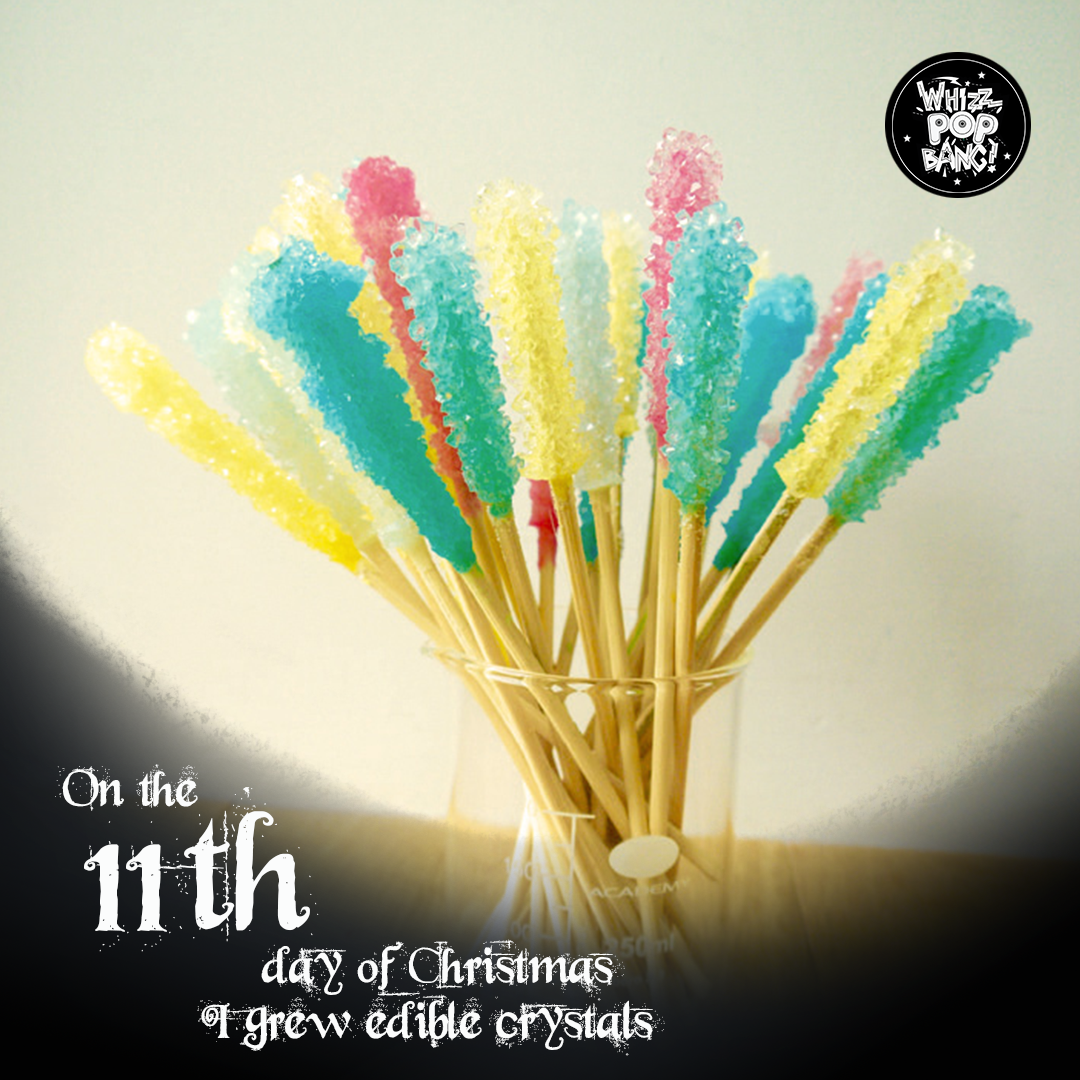
Hello science-lovers! We’re super excited the Christmas issue of science magazine Whizz Pop Bang! Do you know the brilliant, crazy and uber creative Greg Foot? He’s the science guy on YouTube and presents science on Blue Peter, have you seen him? Well Greg has put together 12 awesome edible science experiments that really are the best entertainment for a very amusing (and tasty) family Christmas.

whizz-pop-bang-science-magazine-for-kids-issue-17
[av_button label=’Buy now’ link=’manually,http://www.whizzpopbang.com/shop/product/567150270′ link_target=’_blank’ size=’medium’ position=’center’ icon_select=’no’ icon=’ue800′ font=’entypo-fontello’ color=’theme-color’ custom_bg=’#111111′ custom_font=’#ffffff’ av_uid=’av-6sh9a’]

And here are the 12 edible experiments, if you’d like to try these hop over and buy a copy of the Whizz Pop Bang Christmas issue here.


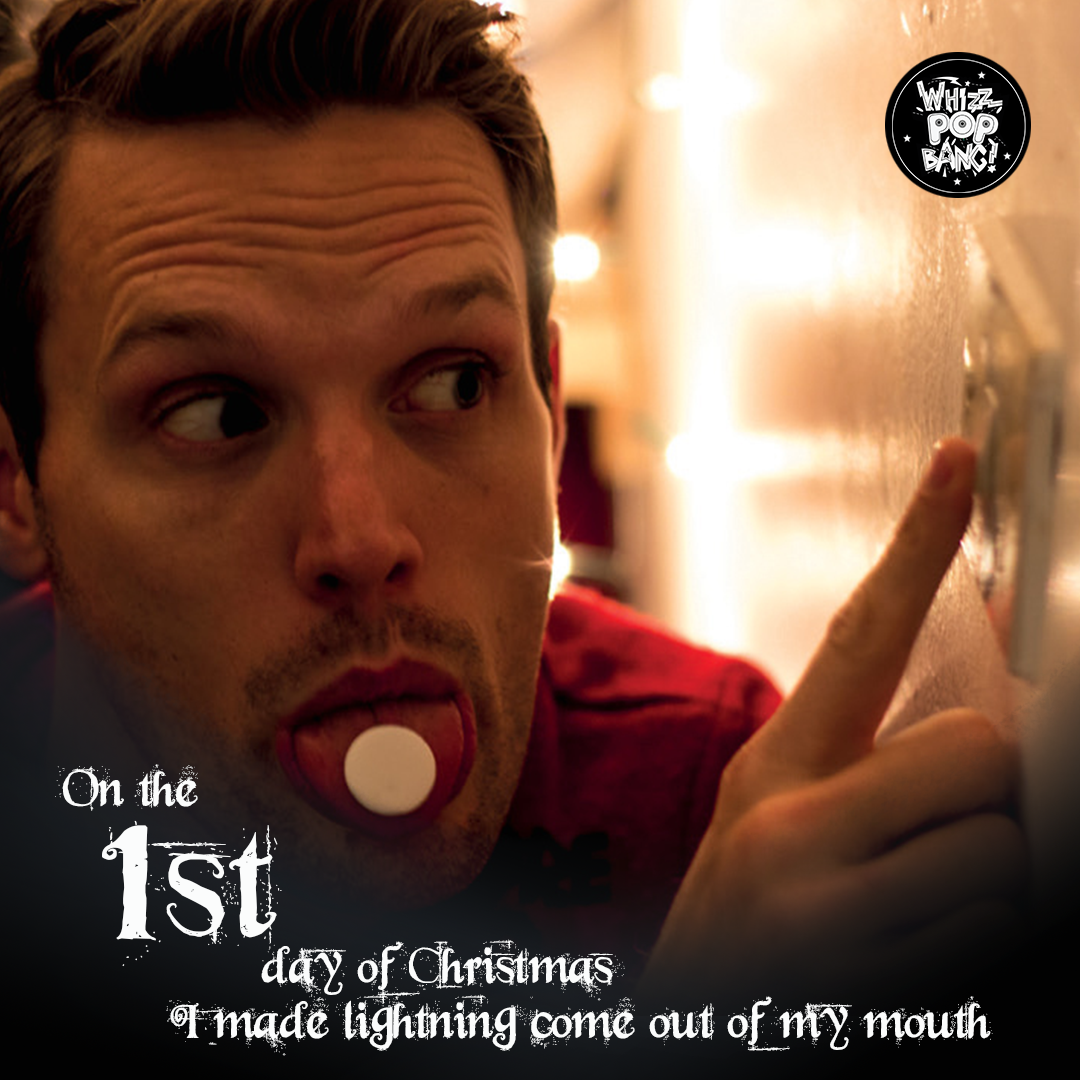
Remember experiments are experiments, which means you may not get them right first time – you’re scientists experimenting! If the lightning isn’t coming out of your sister’s mouth when you’re in the cupboard under the stairs don’t despair! Wait a little longer and try again, your eyes need to get really accustomed to the dark, and crunch really hard with your mouth open – you may dribble a little 🙂

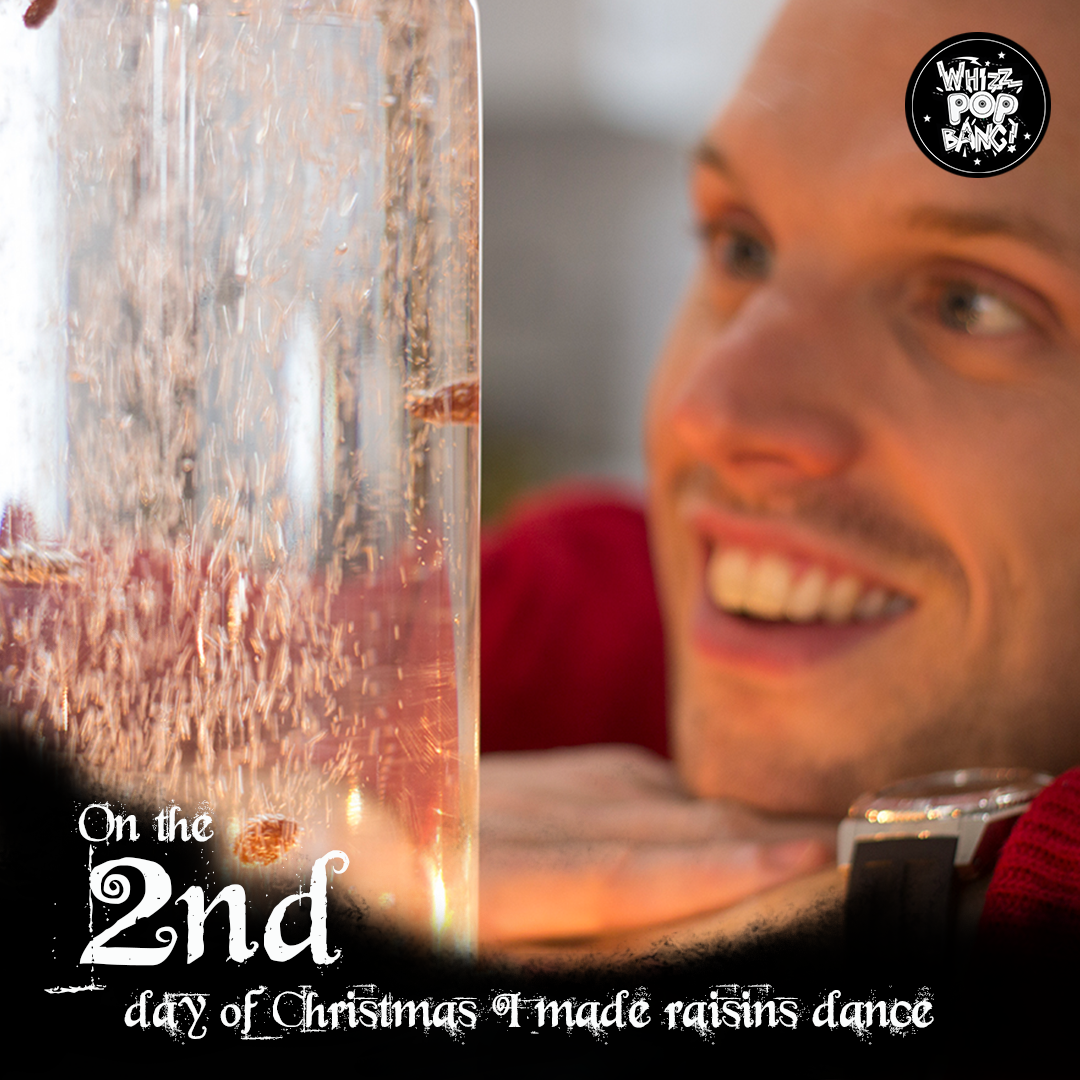
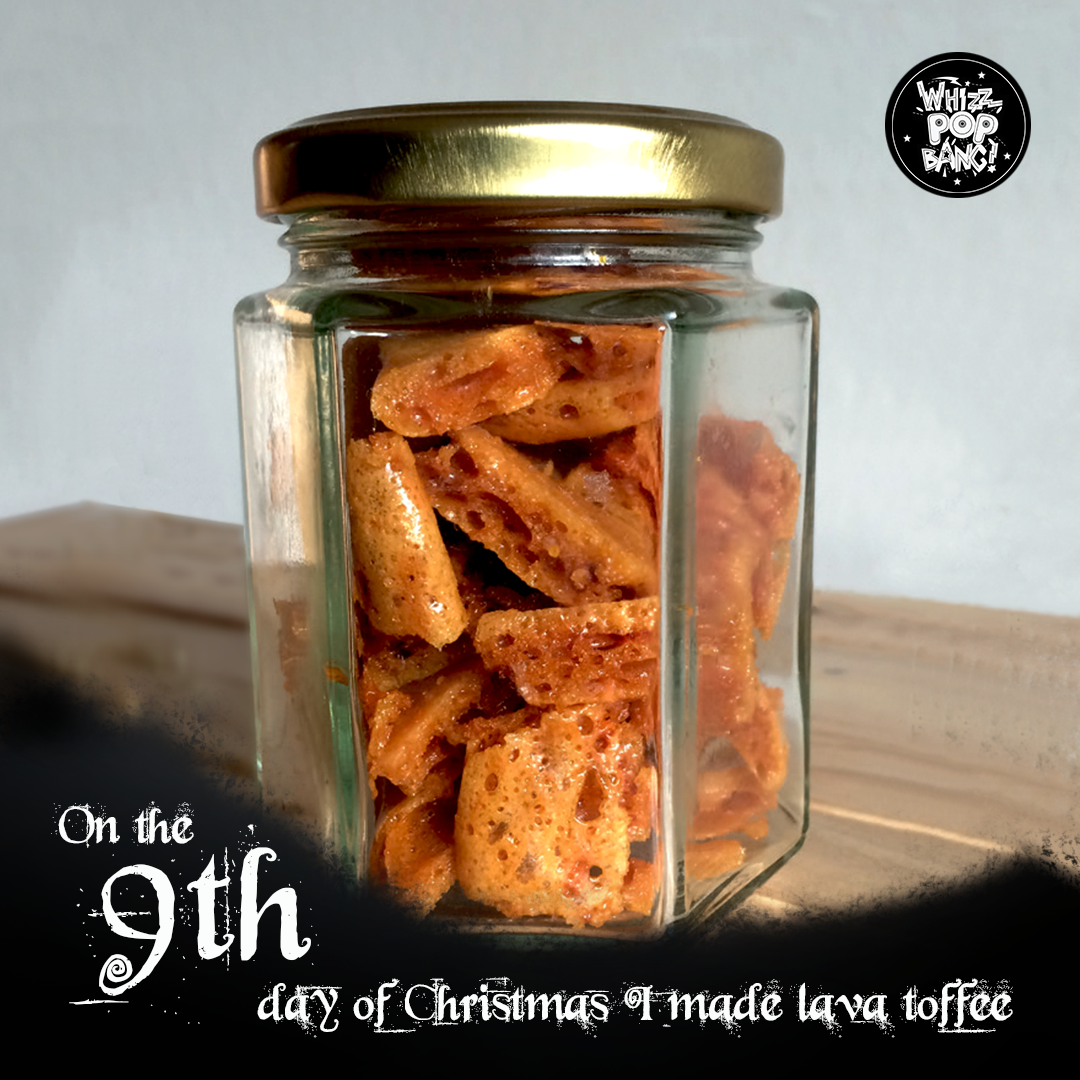
Our raisins didn’t dance the first time, so we tried again with fizzier water. The lava toffee can be tricky too, add a little water if you need to and be careful with the hot pan in all that excitement.

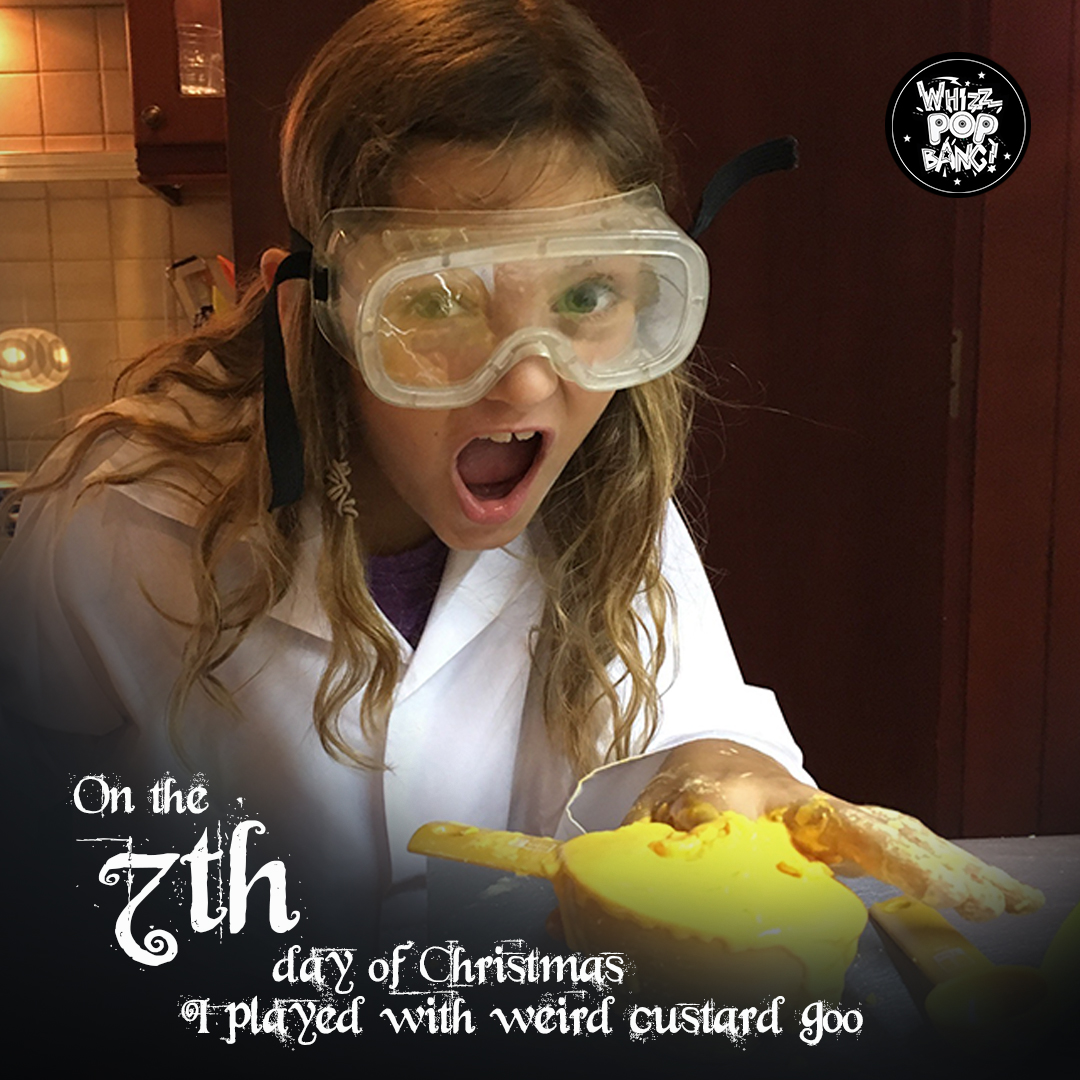
We filmed our kids playing with the weird custard go, see their reactions here: whizz-pop-bang-science-experiment-custard-goo

Do you have questions about these experiments or Whizz Pop Bang? Send us an email hello@whizzpopbang.com and we’ll be only too happy to help.


Post Comment