Calling all space fans! If your child dreams of exploring space, this brand-new immersive experience should be high on your family’s summer holiday list.
Credit: Smithsonian Institution & Fever
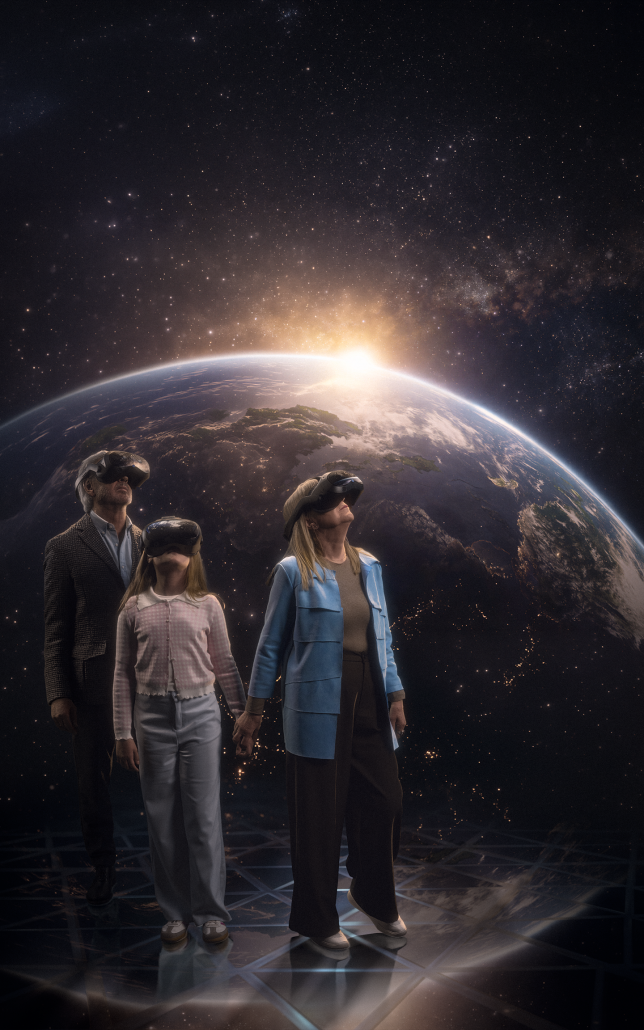
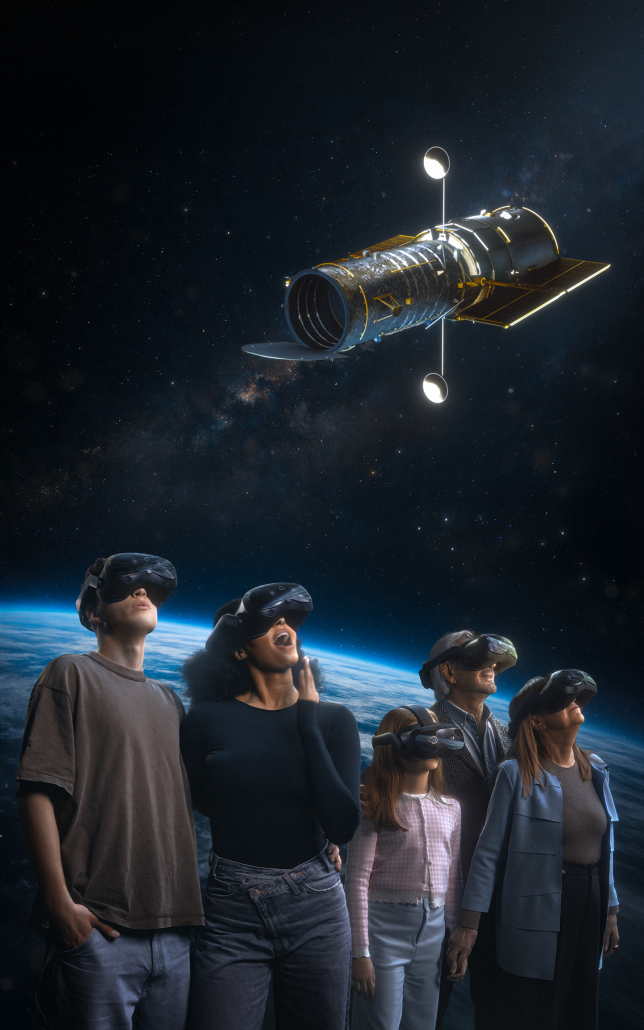
This summer, there’s an awesome new immersive experience at London’s Science Museum. Using virtual reality (VR) technology, ‘Starstruck’ takes you on a journey through the universe, exploring stars, black holes and galaxies.
Credit: Smithsonian Institution & Fever
Whizz Pop Bang went along for a sneak preview before the exhibition opened and we can confirm that it really is out of this world!
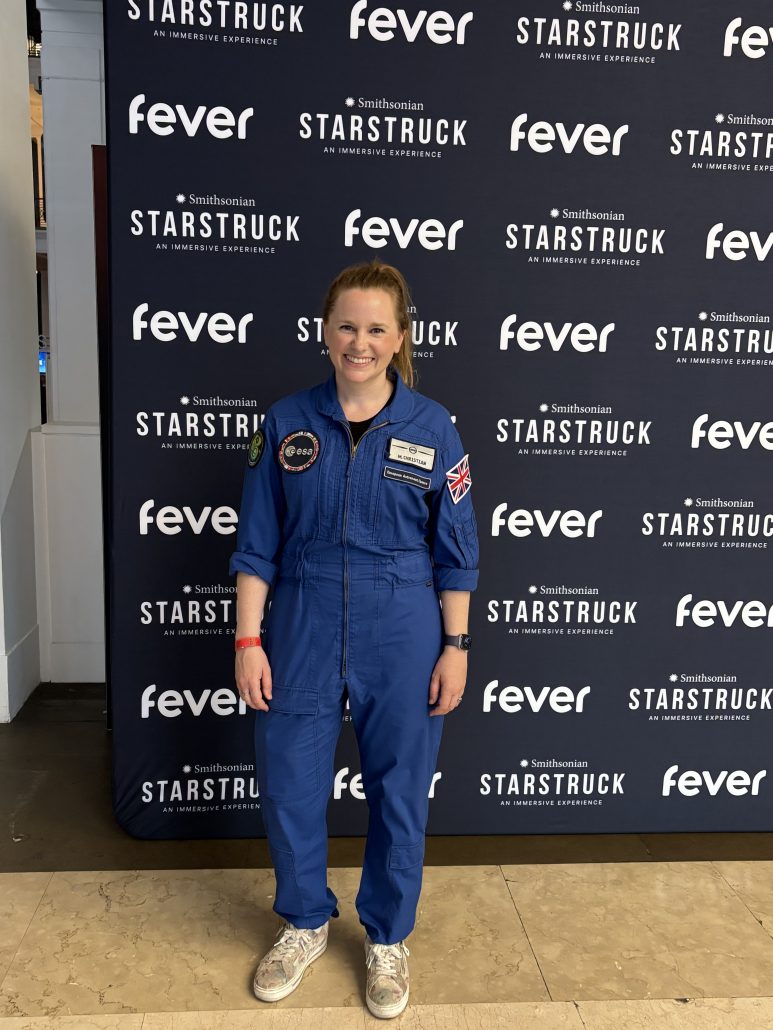
We also got to meet awesome ESA astronaut Meganne Christian and discuss black holes with Cambridge University’s astronomy professor and black hole expert Sera Markoff!
Planning a trip to London this summer? If your family loves space, science and immersive experiences, Starstruck looks like a fantastic way to explore the universe together.
Book your tickets and prepare for an unforgettable journey among the stars.
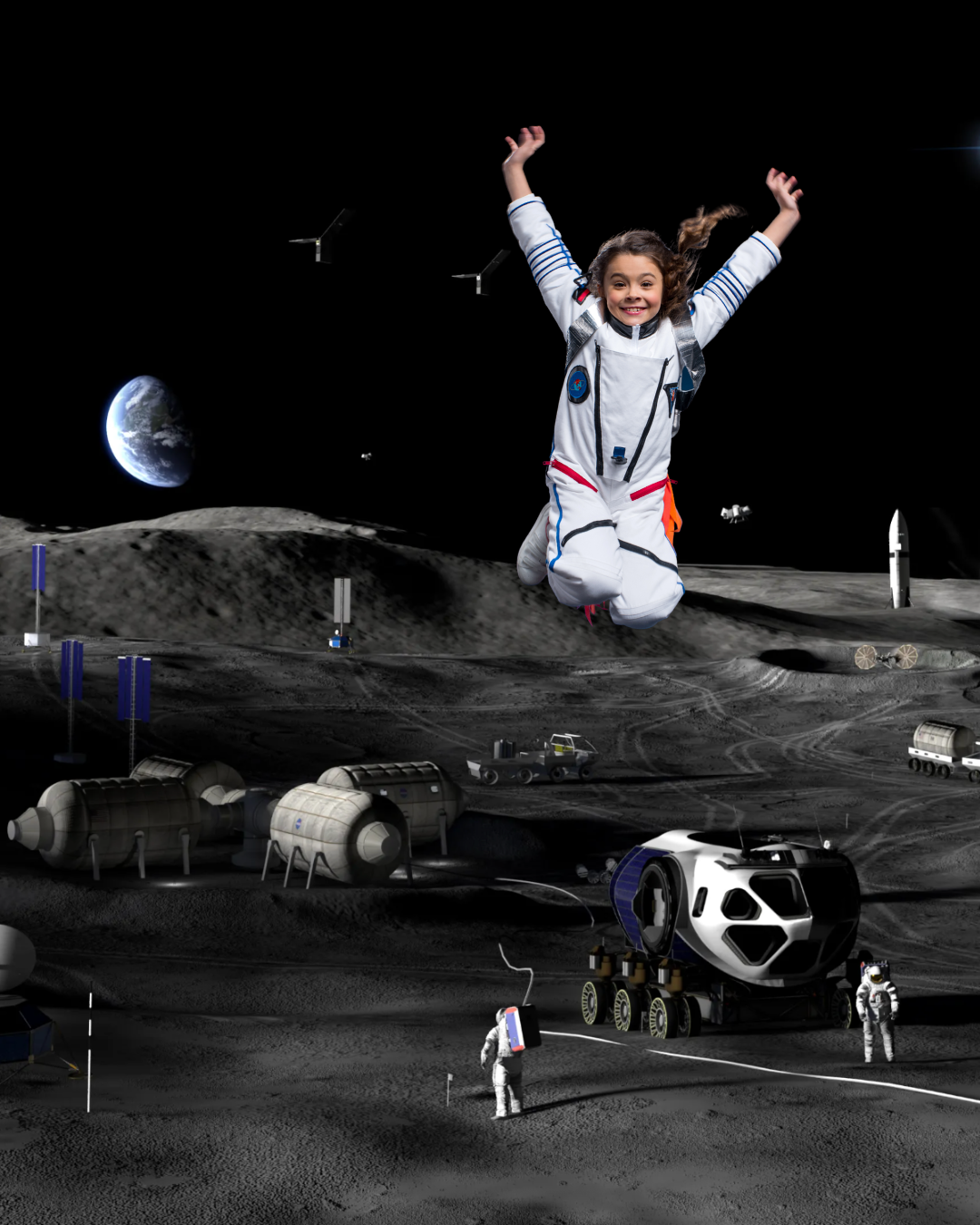
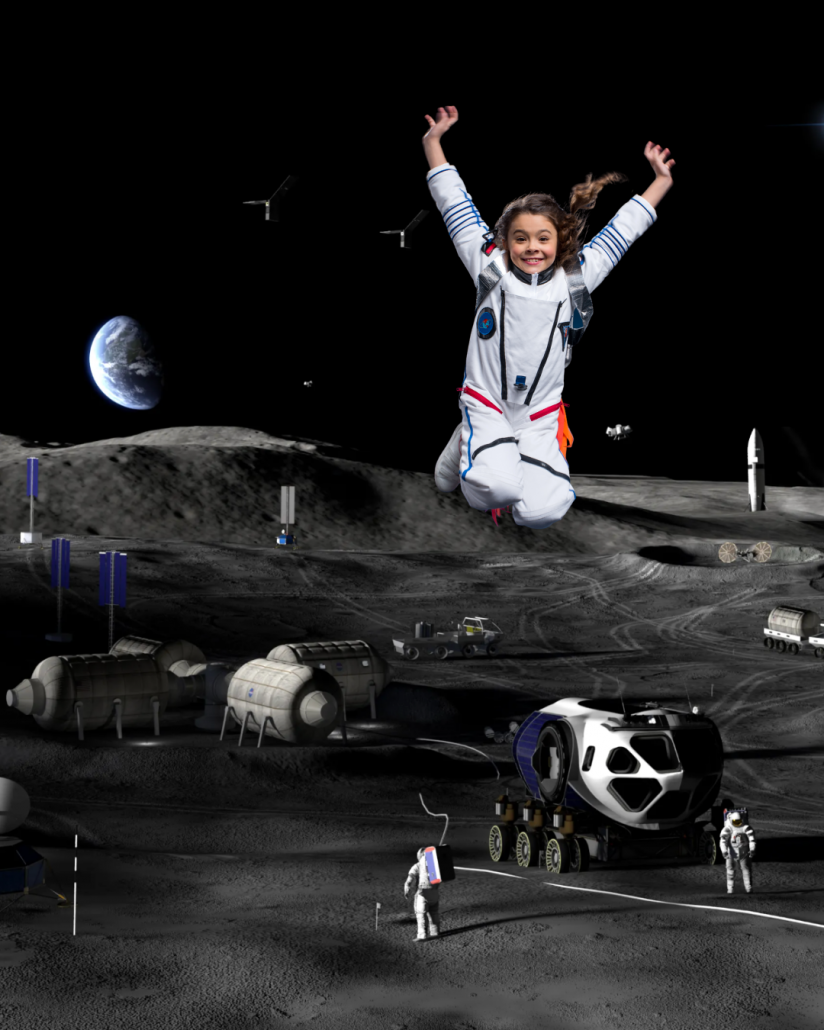
Imagine looking up at the Moon and knowing that people are living there!
NASA has revealed exciting plans for a huge lunar base where astronauts could live, work and explore. The Moon base could cover hundreds of square kilometres and help scientists prepare for future missions to Mars.
Although a permanent Moon base is still many years away, engineers and scientists are already working out how it could become a reality.
Want more kids science news? Try Whizz Pop Bang magazine!
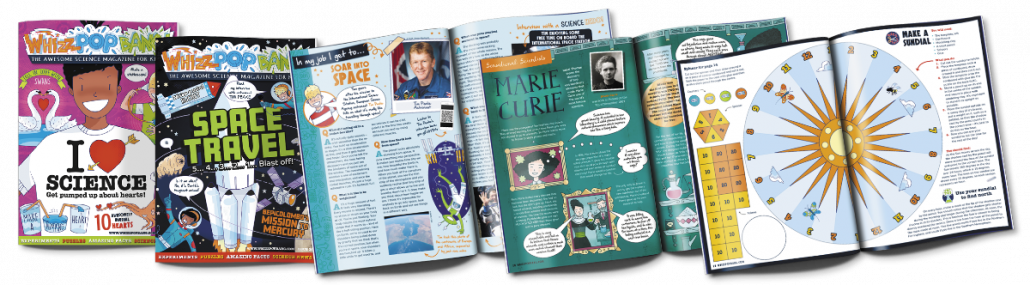
Whizz Pop Bang is the award-winning science magazine for curious kids aged 6–12. Every month, young scientists discover fascinating facts, try hands-on experiments, meet real scientists and explore the incredible world around them.
Packed with screen-free activities, puzzles, competitions and amazing science news, it’s designed to inspire a lifelong love of STEM subjects while having lots of fun along the way.
A Moon base is a place where astronauts could live for long periods of time on the lunar surface.
Just like research stations in Antarctica, a lunar base would provide shelter, food, water and equipment for scientists exploring an extreme environment.
Future Moon bases might include places to live, research laboratories, power stations and even greenhouses where food could be grown.
Why does NASA want a base on the Moon?
NASA hopes that living on the Moon will help humans learn how to survive on other worlds.
The Moon is much closer than Mars, making it the perfect place to test new technology and learn how astronauts can stay healthy during long space missions.
Scientists could also study the Moon’s rocks, history and hidden resources.
How would astronauts survive on the Moon?
Living on the Moon would be very different from living on Earth.
Astronauts would need protection from:
Extreme temperatures
Dangerous space radiation
Tiny sharp Moon dust
Meteorite impacts
Future Moon bases could be built underground or covered with lunar soil for extra protection.
Scientists are also exploring ways to create oxygen, water and fuel using materials already found on the Moon.
Could children ever live on the Moon?
Nobody knows for sure, but it could happen one day.
NASA’s plans are part of a long-term effort to establish a permanent human presence beyond Earth. If future Moon bases become successful, children growing up on the Moon may not just belong in science fiction stories.
Could the first child to live on the Moon be reading Whizz Pop Bang right now?
Amazing Moon Facts
🌕 The Moon is about 384,400 kilometres from Earth.
🚀 It takes about three days for astronauts to travel there.
👨🚀 Twelve people have walked on the Moon so far.
🌑 The Moon has no air that humans can breathe.
🦘 Because gravity is weaker on the Moon, astronauts can jump much higher than on Earth.
Want more space science?
If you love rockets, astronauts and incredible discoveries, check out Whizz Pop Bang magazine – it’s packed with hands-on activities, fascinating facts and out-of-this-world science fun!
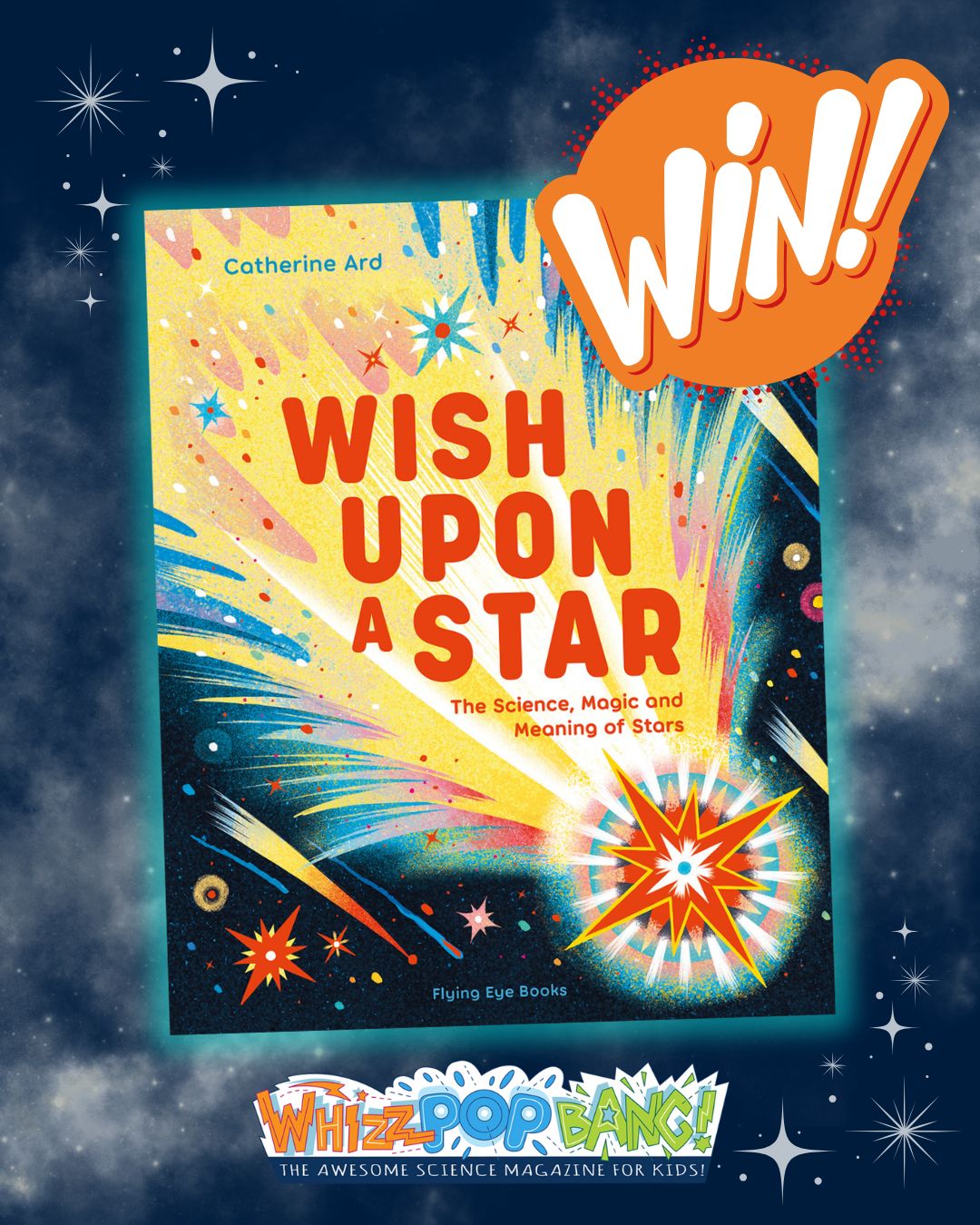
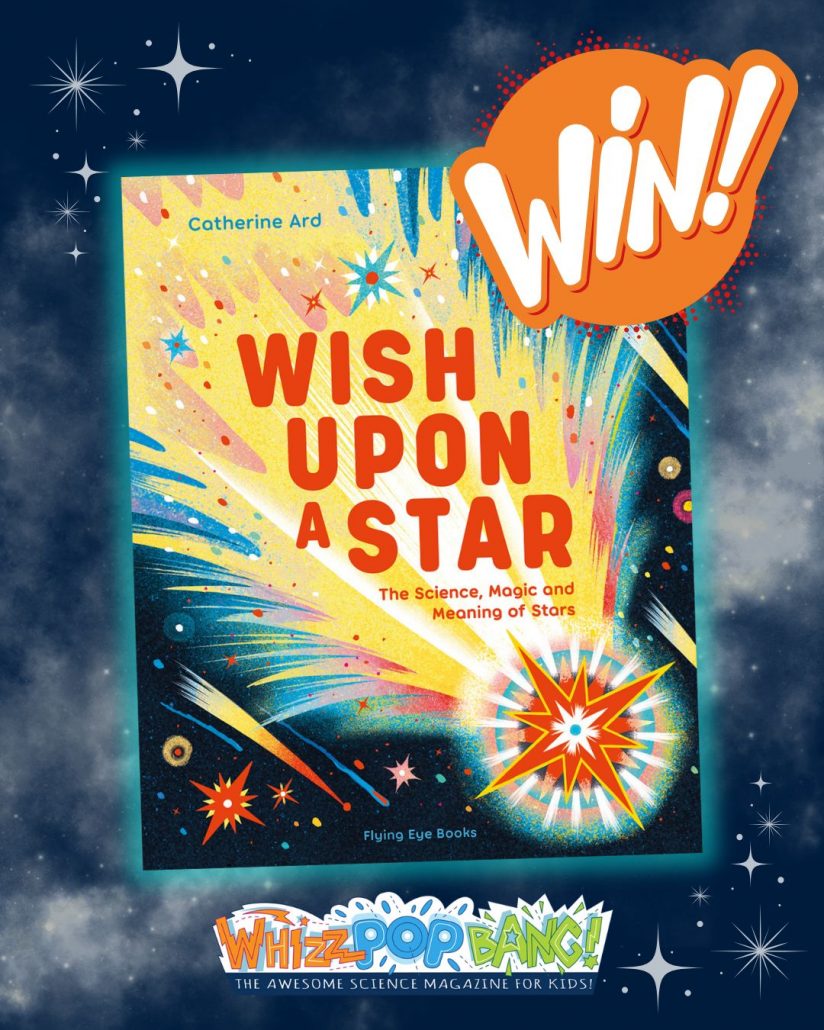
This beautifully illustrated book is a children’s guide to the science, stories and symbolism of stars, exploring their role across cultures, histories and scientific discovery. Bursting with facts, myths and cosmic wonder, Wish Upon a Star is perfect for curious young minds who want to understand how stars shape our world and our imagination.
✨ Learn about different types of stars, constellations and galaxies 🧭 Discover how stars have been used for navigation across the centuries 🎨 Explore how stars have inspired art, stories and mythology around the world 🔭 Find out how scientists study stars and what they reveal about the universe
Whether your child is into science, space, history or storytelling, this magical journey through the cosmos is a brilliant companion to our space-themed issues of Whizz Pop Bang!
How to enter
To win one of five copies of Wish Upon a Star, simply answer this question in the comments:
Which of these is a constellation? a) The Dolphin b) The Spoon c) The Big Dipper
Wish Upon a Star makes a perfect gift for any child who loves space, storytelling or science – and it’s the ideal companion to Whizz Pop Bang: Rocket RIders. Not yet a subscriber? Start your subscription here and blast off into a universe of fun!
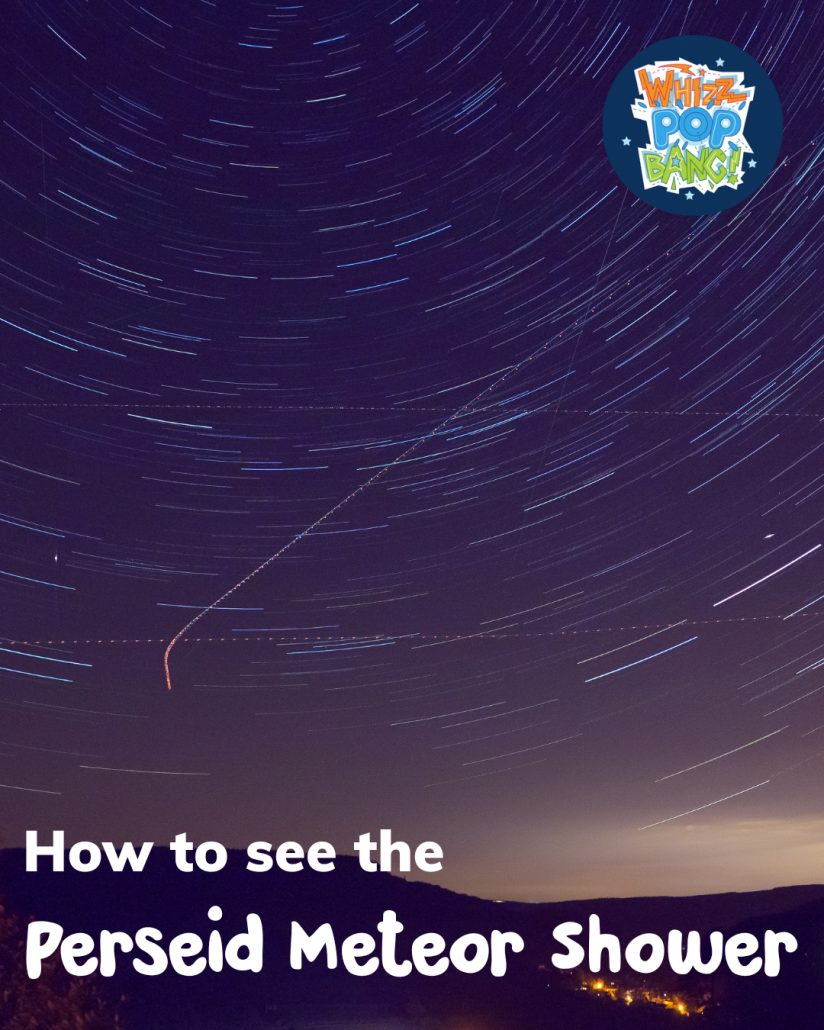
The Perseid meteor shower is a spectacle not to be missed as, if conditions are right, it’s a great opportunity to spot lots of bright meteors – around 100 per hour!
In 2026, the Perseids are visible between 17th July – 24th August, but in 2026 the meteor shower reaches it peak on 12th-13th August.
Here are some top tips for how to spot meteors:
☄️ Research the best time to spot the meteor shower – for the Perseids in 2026 in the UK, this is between midnight and 5.30am on 13th August. The days leading up to this date could also be good opportunities to see a good show. ☄️ Ideally, the sky should be dark. You’ll get a better view away from streetlights and when the Moon is not full. In mid-August in the UK, the sky will be darkest after 10pm. ☄️ Fortunately, in 2026, the peak of the Perseid meteor shower coincides with a new moon. This means that the sky will be quite dark and meteors will be easier to spot than in some years. ☄️ Fill your view with the sky and wait! Lying on the ground is a great way to see as much as possible, or get comfy in a deckchair. ☄️ Give your eyes 15 minutes to get used to the dark ☄️ Check the weather forecast – a clear sky will give a better view. ☄️ Look around! Perseid meteors can appear anywhere in the sky.
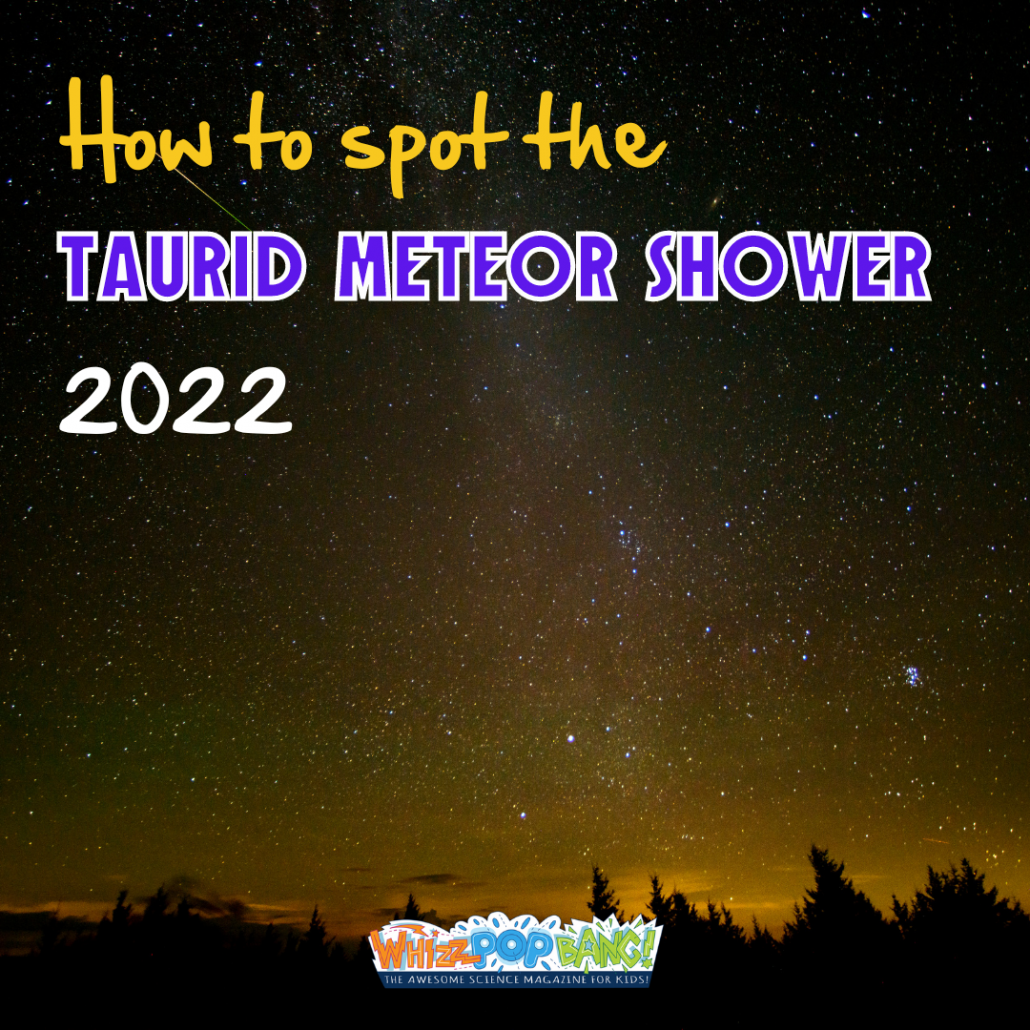
The Taurid meteor shower has begun and is due to peak in the UK in the very early hours of Sunday 13th November 2022. Although the Taurids aren’t known for an impressive, dramatic display they do provide a regular sprinkle of meteors throughout October and November so lots of opportunities to spot a shooting star! 💫
When the Earth moves through debris left from passing comets, those particles burn up from the friction with the air when they pass into our atmosphere and create beautiful shooting stars. In the case of the Taurids, the debris is left by the Comet Encke.
☄️Find a dark site with an unobstructed view of the sky. ☄️The best time to see the shower is in the early morning of the peak day, which this year is the morning of the 13th November (the night of the 12th November). ☄️Fill your view with the sky and wait! Lying on the ground is a great way to see as much as possible. ☄️The Taurids are not particularly dramatic but they are wide spread so keep your eyes peeled. ☄️Blanket optional but highly recommended. Reclining deckchairs make an even more comfortable way to view the sky. ☄️Remember to wrap up warm!
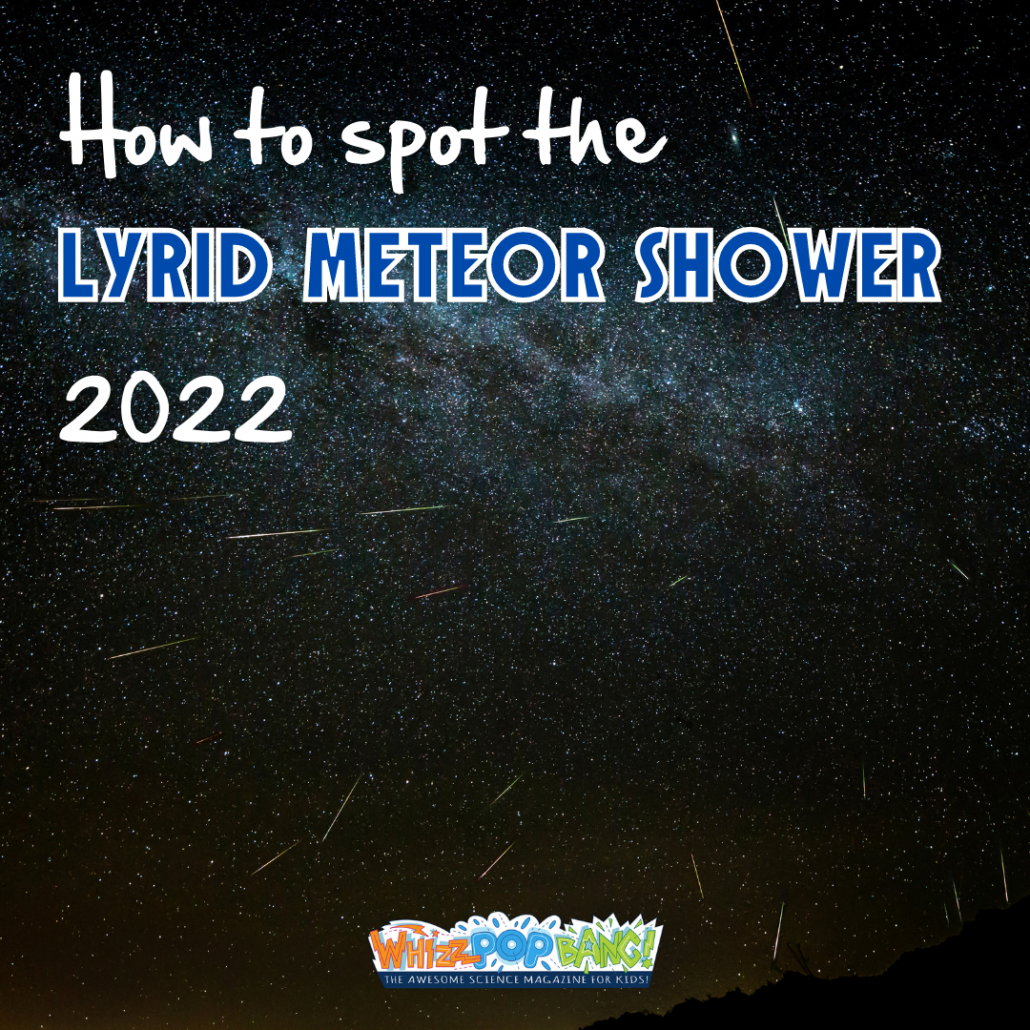
The best time to spot the Lyrid meteor in the UK in 2022 is on the night of 22nd – 23rd April. The Lyrids begin on the 14th April this year which is 2 days before a full moon so the sky will still be pretty bright at the peak of the shower which will make spotting meteors a bit tricky – but don’t be deterred! Follow these tips from the Royal Observatory in Greenwich for the best chance of meteor-spotting.
☄️Find a dark site with an unobstructed view of the sky. ☄️The best time to see the shower is in the early morning of the peak day, which this year is the morning of the 23rd April (the night of the 22nd April). ☄️Fill your view with the sky and wait! Lying on the ground is a great way to see as much as possible. ☄️Look towards the Vega constellation – here’s a handy map showing how to find it at this time of year thanks to Astronomy Now. ☄️Blanket optional but highly recommended. Reclining deckchairs make an even more comfortable way to view the sky. ☄️Remember to wrap up warm!
Image: Canva
Whizz Pop Bang is a top-quality, gender-neutral, advert-free science magazine for families everywhere. Each issue is packed with experiments, activities, amazing facts, puzzles, jokes, riddles and more. Find out more here and flick through a space-themed issue here!
The best time to spot the Lyrid meteor in the UK in 2021 is on the night of 21st – 22nd April. This year, it coincides with a gibbous Moon, which means that the night sky will be bright, which makes spotting meteors a little harder – but don’t be deterred! Follow these tips from the Royal Observatory in Greenwich for the best chance of meteor-spotting.
☄️Find a dark site with an unobstructed view of the sky. ☄️The best time to see the shower is in the early morning of the peak day, which this year is the morning of the 22 April (the night of the 21 April). ☄️Fill your view with the sky and wait! Lying on the ground is a great way to see as much as possible. ☄️Look towards the Vega constellation – here’s a handy map showing how to find it at this time of year thanks to Astronomy Now. ☄️Blanket optional but highly recommended. Reclining deckchairs make an even more comfortable way to view the sky. ☄️Remember to wrap up warm!
Whizz Pop Bang is a top-quality, gender-neutral, advert-free science magazine for families everywhere. Each issue is packed with experiments, activities, amazing facts, puzzles, jokes, riddles and more. Find out more here and flick through a space-themed issue here!