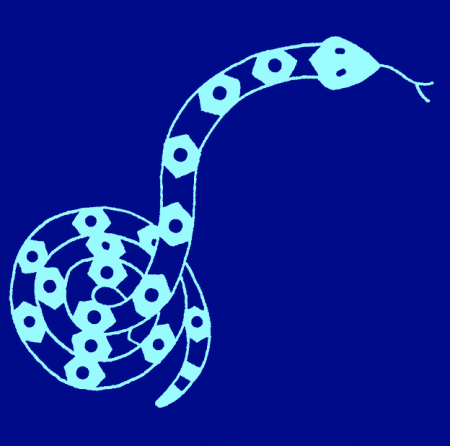
After launching themselves from a branch, paradise tree snakes flatten their bodies into a wing shape and ‘snake’ through the air, gliding between trees up to 30 metres apart!
Flying snake!
Post Comment
Whizz Pop Bang is a science magazine for kids, covering the key topics taught at school as part of the KS1 and KS2 primary science curriculum. To accompany the magazine, schools can subscribe to receive new science resources every month. These downloadable resources help teachers deliver accurate and engaging lessons, providing children with a deeper understanding of scientific concepts. All Whizz Pop Bang resources are tried and tested by science teachers, and kids!
After launching themselves from a branch, paradise tree snakes flatten their bodies into a wing shape and ‘snake’ through the air, gliding between trees up to 30 metres apart!
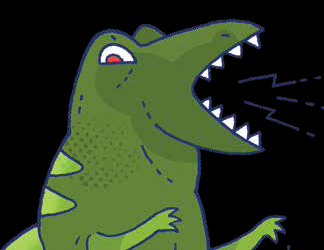
Scientist think that large pterosaurs, like the giant Quetzalcoatlus, probably took off by leaping into the air from all four limbs. These animals were so enormous that if they only used their back legs to take off, like a bird, their thigh bones would have snapped!

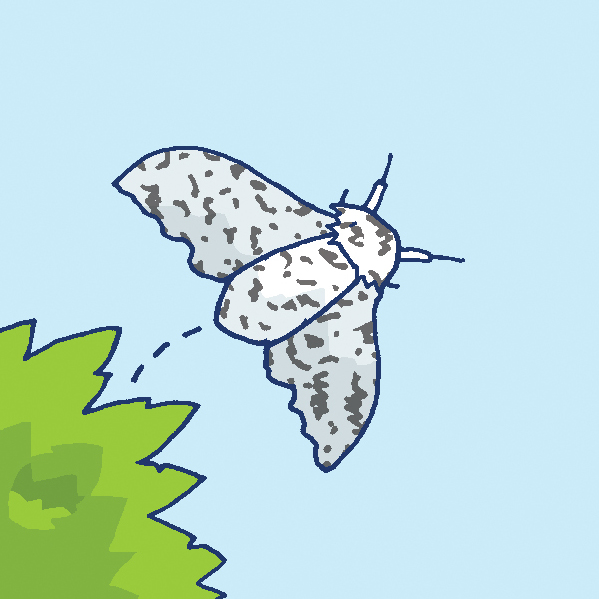
To celebrate #MothNight2018 we’ve got a copy of this beautiful book, MOTH, by Isabel Thomas (one of our Whizz Pop Bang writers). Written for younger children, this is the retelling of the story of the peppered moth. A true tale, and ideal introduction to natural selection and evolution for children.
“This is the story of light and dark…”
Enter by answering this question in the comment box below:
What sort of moth is this story about?
A. Salted moth
B. Sugared moth
C. Peppered moth
Enter by midnight on Sunday 17th June. By entering this competition you agree to the terms and conditions on our website. Thanks to Bloomsbury Publishing for this book.
Each month we celebrate a sensational scientist from history; an eminent figure in the creation, invention or discovery of a scientific breakthrough. How many famous scientists can you name? How many of those are women? Female scientists were often forgotten or unknown, simply because they were women. And yet their work was instrumental in discovering hugely important scientific breakthroughs.
Inside Whizz Pop Bang magazine your kids will discover the historic world of science; who invented computers, who discovered the milky way and who is responsible for how we forecast the weather. We tell the story of these fascinating scientists, both male and female, and how they came to discover incredible things.
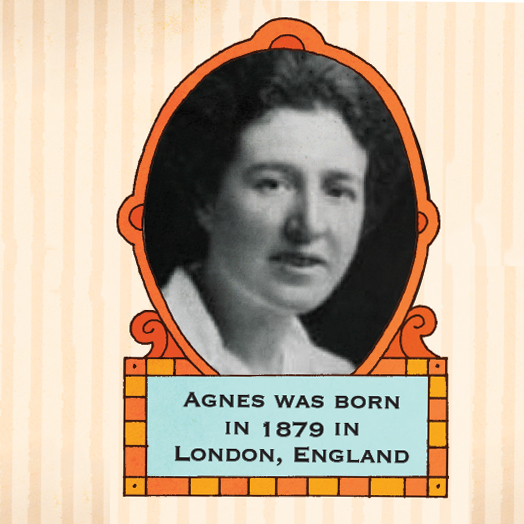
A few examples of the less well-known women we’ve featured: Lise Meitner, whose work led to the discovery of nuclear fission, astronomer Caroline Herschel and Agnes Arber, botanist and early ambassador in helping the world to recognize the amazing talent of women in science. Read the full list of sensational scientists below.

List of the sensational scientists featured in Whizz Pop Bang magazine:
Issue 1: Mary Anning
Issue 2: Charles Darwin
Issue 3: Maria Telkes
Issue 4: Leonardo da Vinci
Issue 5: Lise Meitner
Issue 6: Louis Pasteur
Issue 7: Rosalind Franklin
Issue 8: Antoine Lavoisier
Issue 9: Mary Somerville
Issue 10: Charles Lyell
Issue 11: Caroline Herschel
Issue 12: Jacques Cousteau
Issue 13: Grace Hopper
Issue 14: Roy Chapman Andrews
Issue 15: William Henry Perkin
Issue 16: Isambard Kingdom Brunel
Issue 17: Florence Nightingale
Issue 18: Albert Einstein
Issue 19: Gregor Mendel
Issue 20: Rachel Carson
Issue 21: Ibn al Haytham
Issue 22: Richard Feynman
Issue 23: Agnes Arber
Issue 24: Alfred Wegener
Issue 25: Jeanne Villepreux-Power
Issue 26: George de Mestral, velcro
Issue 27: Marie Curie
Issue 28: Nicolaus Copernicus
Issue 29: Hedy Lamarr
Issue 30: Archimedes
Issue 31: Anselmus De Boot
Issue 32: Joseph Bazalgette
Issue 33: Charles Darwin
Issue 34: Michael Faraday
Issue 35: Gerty Cori
To buy a back issue for just £3.75 (with free UK delivery!) visit our shop.

Each month we interview a SCIENCE HERO to find out what real scientists do in their jobs. This is where we ensure we have a real mix of male and female scientists to inspire girls and boys, and particularly showcase women in STEM roles. Breaking down gender stereotypes is an important part of Whizz Pop Bang magazine as we strive for a future of equality.
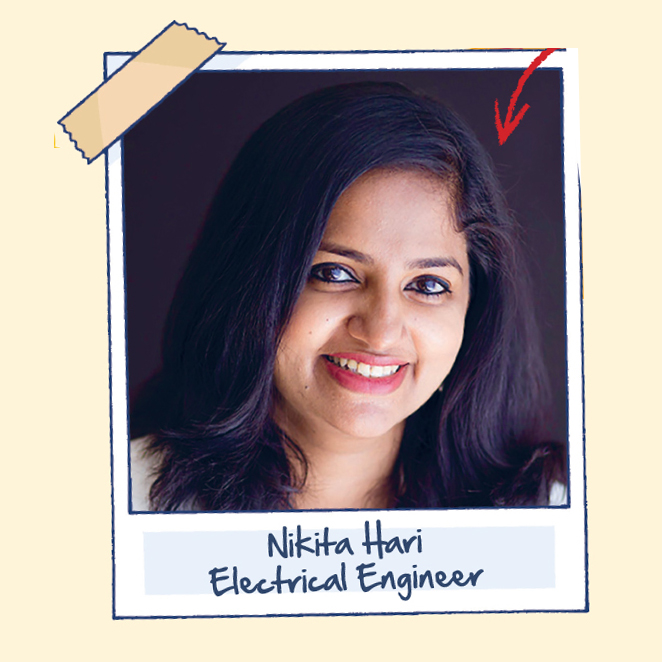
Many of the scientists we interview are happy to be contacted by readers who have their own questions, a great opportunity to chat to real scientists! We love this tweet from Electrical Engineer Nikita Hari who’s passionate about inspiring kids into science, especially girls…

Are your kids super curious, always asking questions and exploring new ideas? Help them to nurture their natural curiosity with Whizz Pop Bang! Here’s a list of the 35 scientists we’ve interviewed to date:
Issue 1: Beccy Smith, Chocolate scientist
Issue 2: Karen Ladenheim, Robotics scientist, Stanford University
Issue 3: Lynn Whitfield, Bat ecologist
Issue 4: Dr Steve Brusatte, Palaeontologist, Edinburgh University
Issue 5: Rob Lambert, Antarctic explorer and polar scientist
Issue 6: Tim Peake, Astronaut
Issue 7: Susan Cheyne, Conservation biologist (orangutans)
Issue 8: Misha Lotto, young scientist, Blackawton Bees Project
Issue 9: Josie Campbell, Vet
Issue 10: Shane Cronin, Volcanologist (New Zealand)
Issue 11: Jennifer Andon, Entomologist
Issue 12: Dr Maddalena Bearsi, Marine biologist
Issue 13: Prof Robert Winston, Medical scientist, Imperial College
Issue 14: Sarah Shelley, Fossil hunter
Issue 15: Helen Czerski, Bubble scientist
Issue 16: Abbie Hutty, Mars Rover engineer
Issue 17: Lara Aknin, Psychology professor (gift-giving)
Issue 18: Emma Burke, Penguin aquarist
Issue 19: Ian Gilby, Primatologist, Tanzania
Issue 20: Caoimhe Doyle, Foley Artist, sound effect engineer
Issue 21: Amy Dejong, Food scientist, University of Wisconsin

Issue 22: Payton Barnwell, Nanotechnologist, Florida Polytechnic Uni
Issue 23: Dave Goulson, Bumblebee biologist
Issue 24: Huw James, Science adventurer
Issue 25: Alex Hildred, Maritime archaeologist
Issue 26: Cierra Martin, Seed guardian
Issue 27: Toby Gemmill, Orthopaedic vet
Issue 28: Dr Sheyna, Martian (sort of!)
Issue 29: Richard Stammers, Visual effects artist
Issue 30: Andres Ruzo, Geothermal Scientist
Issue 31: Lisa Elser, Gem cutter
Issue 32: Pratap Pullammanappallil, Associate Professor of Agricultural and Biological Engineering at the University of Florida, USA
Issue 33: Dr Nicola Rooney, Research Fellow in the Animal Welfare and Behaviour Group at the University of Bristol
Issue 34: Nikita Hari, Electrical Engineer
Issue 35: Barry Drust, Professor of Exercise Physiology
Whizz Pop Bang magazine has helped to inspire lots of girls and boys to want to be scientists when they grow up! To buy a back issue (for just £3.75 inc UK delivery) visit our back issues shop or you can sign up for monthly magazines by post – simply subscribe online.
British Science Week is a ten-day celebration of science, technology, engineering and maths for kids, families and schools everywhere. Get inspired and join millions of mini scientists experimenting and having fun learning about the awesome world of science.
We’ve got loads of ideas to bring science week to life in your school, so let’s get started. You will need your Whizz Pop Bang magazines (not a subscriber? Order back issues here at £3.75 per mag including delivery) and access to a colour photocopier.
This idea came from primary science teachers Kathryn Horan and Toby Tyler. Every week a couple of the children in the class take home a Whizz Pop Bang magazine to share with their families.
For this you will need a scrapbook and a plastic wallet for each magazine. Prepare an instruction sheet to go with each one:
Welcome to our Whizz Pop Bang scrapbook!
There are no specific rules about what you should do with the magazine, you could…
Whatever you do, we’d love to hear about it at school, so be sure to let us know or add something into the scrapbook. Have fun!
Cover the classroom in posters of inspirational, sensational scientists! In every issue of Whizz Pop Bang there’s a double-page spread focusing on famous scientists who made history with their discoveries and inventions. Photocopy the spreads and pin up to inspire your pupils!
Find out what real scientists do in their everyday jobs on our interview pages. We’ve interviewed over 30 scientists ready to inspire girls and boys to be our scientists of the future! To buy a back issue visit our back issues shop.
Issue 1: Becky Smith, Chocolate scientist
Issue 2: Karen Ladenheim, Robotics scientist, Stanford University
Issue 3: Lynn Whitfield, Bat ecologist
Issue 4: Dr Steve Brusatte, Palaeontologist, Edinburgh University
Issue 5: Rob Lambert, Antarctic explorer and polar scientist
Issue 6: Tim Peake, Astronaut
Issue 7: Susan Cheyne, Conservation biologist (orangutans)
Issue 8: Misha Lotto, young scientist, Blackawton Bees Project
Issue 9: Josie Campbell, Vet
Issue 10: Shane Cronin, Volcanologist (New Zealand)
Issue 11: Jennifer Andon, Entomologist
Issue 12: Dr Maddalena Bearsi, Marine biologist
Issue 13: Prof Robert Winston, Medical scientist, Imperial College
Issue 14: Sarah Shelley, Fossil hunter
Issue 15: Helen Czerski, Bubble scientist
Issue 16: Abbie Hutty, Mars Rover engineer
Issue 17: Lara Aknin, Psychology professor (gift-giving)
Issue 18: Emma Burke, Penguin aquarist
Issue 19: Ian Gilby, Primatologist, Tanzania
Issue 20: Caoimhe Doyle, Foley Artist, sound effect engineer
Issue 21: Amy Dejong, Food scientist, University of Wisconsin
Issue 22: Payton Barnwell, Nanotechnologist, Florida Polytechnic Uni
Issue 23: Dave Goulson, Bumblebee biologist
Issue 24: Huw James, Science adventurer
Issue 25: Alex Hildred, Maritime archaeologist
Issue 26: Cierra Martin, Seed guardian
Issue 27: Toby Gemmill, Orthopaedic vet
Issue 28: Dr Sheyna, Martian (sort of)
Issue 29: Richard Stammers, Visual effects artist
Issue 30: Andres Ruzo, Geothermal Scientist
Issue 31: Lisa Elser, Gem cutter
To buy a back issue (for just £3.75 inc delivery) visit our back issues shop.
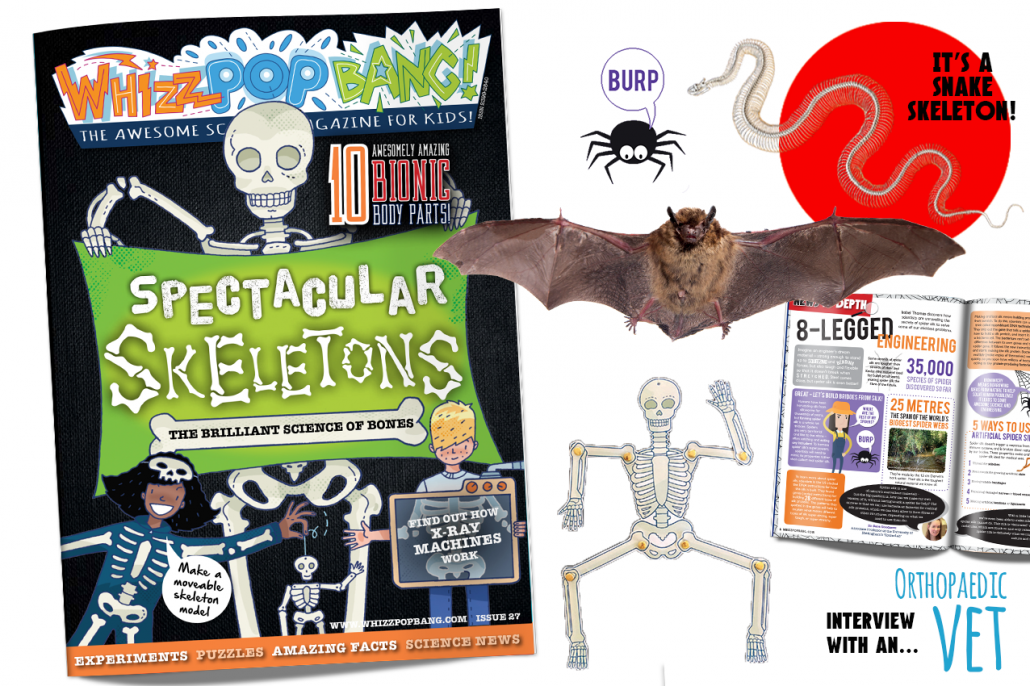
Every issue of Whizz Pop Bang science magazine looks at 10 awesomely amazing things on that month’s topic. Looking at engineering as part of the year of engineering? Take a look at ENGINEERING EXTRAVAGANZA (issue 16) with 10 Awesomely Amazing bizarre buildings, including a toilet-shaped building in Korea! Studying the human body? Check out SPECTACULAR SKELETONS (issue 27) and the 10 Awesomely Amazing bionic body parts, from 3D printed prosthetic hands to ancient Egyptian artificial toes. Is your topic plants this term? Kids love reading about the 10 Awesomely Amazing harvests from around the world in our SUPER SEEDS (issue 26), did you know there are chillies that melt latex gloves?
All Whizz Pop Bang magazines are packed full of science puzzles and a quiz to test your pupil’s science knowledge. There are also word searches, jokes, riddles and brain teasers for every age and ability. Turn wet play into a festival of science fun and games!
There are hundreds of simple hands-on science experiments and activities in Whizz Pop Bang magazine, and for each one we outline what you need, what to do, and you will find making it ideal for primary school teachers who may not have a science background. Perfect for curious kids and teachers looking for simple science ideas! Check out our bulk discounts for schools here and celebrate British Science Week 2018 with a Whizz, Pop and a Bang!
What is The Great Science Share?
Following on from British Science Week there are several events going on around the UK. Use these ideas for your Great Science Share; a national campaign to engage young people in sharing science with new audiences.
PIONEERED IN MANCHESTER – MAKING A DIFFERENCE UK-WIDE

You can get involved as a School, STEM Educator, STEM Organisation and Business.
Features include:

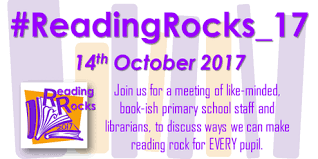
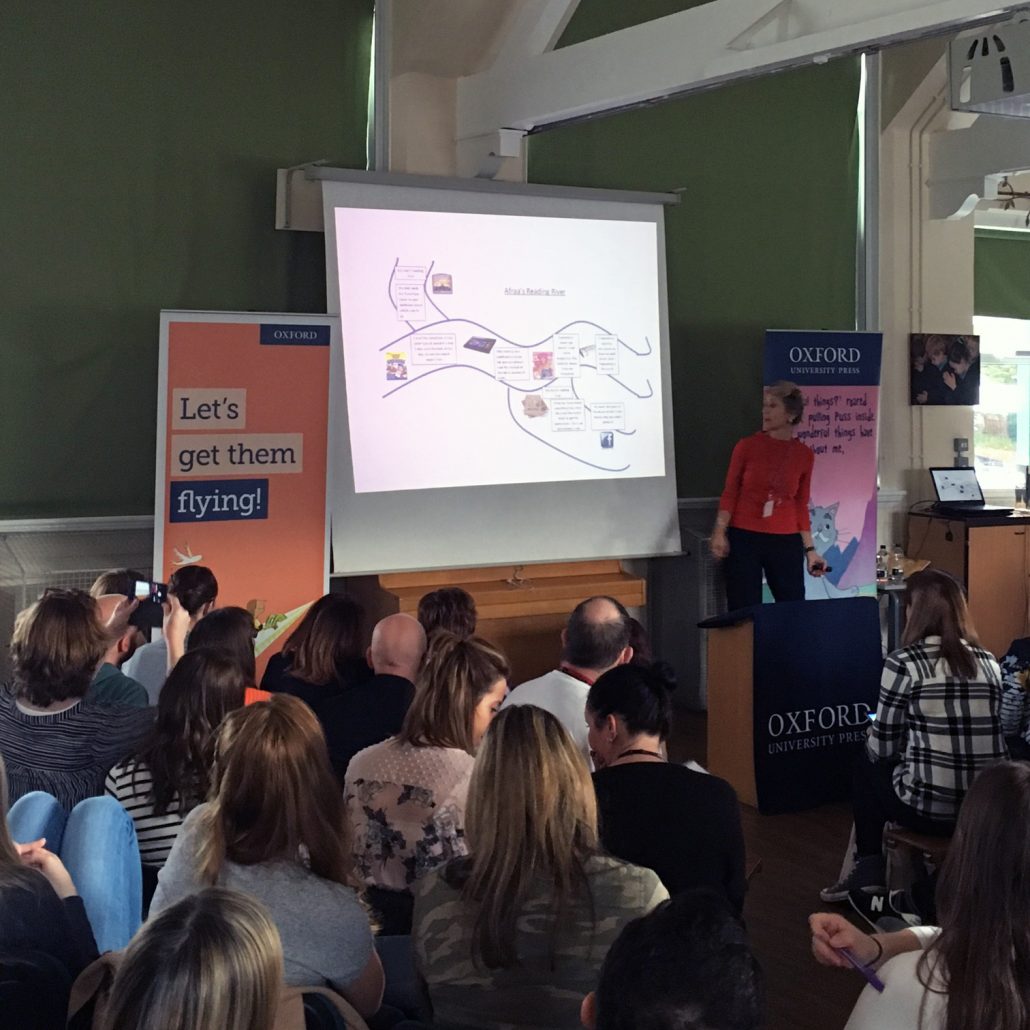
On Saturday 14th October we took Whizz Pop Bang to Reading Rocks 2017, a teach meet event for like-minded, book-ish primary school staff and librarians, to discuss ways to make reading rock for EVERY single pupil.

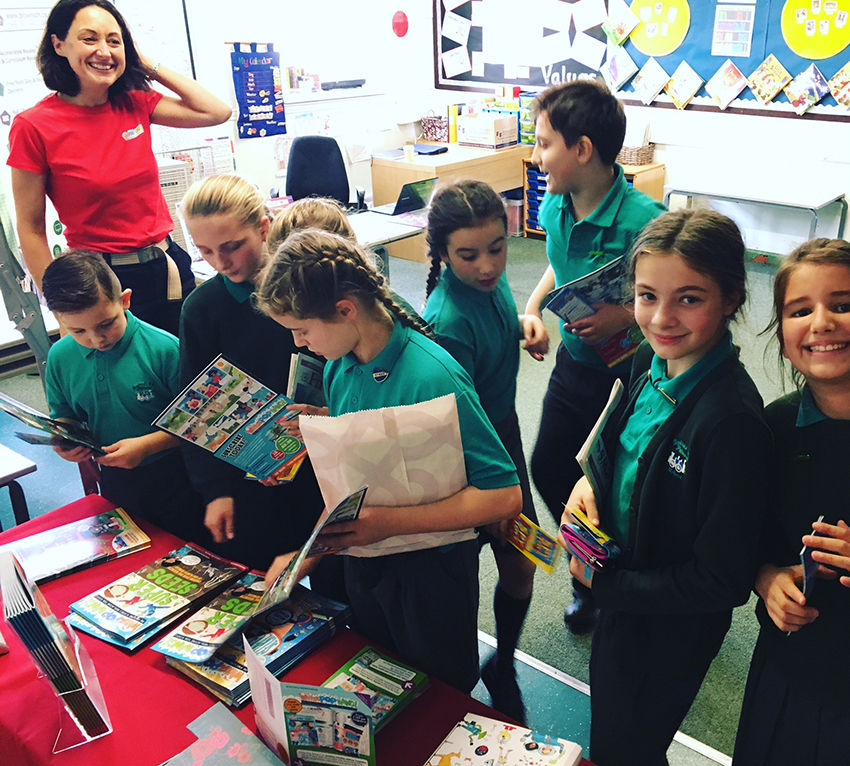
We were delighted to be involved in such a positive and forward-thinking event, surrounded by teachers who want to make a difference and find new ways to engage kids in reading for pleasure. We chatted to lots of teachers to find out how they use Whizz Pop Bang in class, and to offer our top tips such as using our magazines in guided reading sessions as well as for science and topic work.

The Reading Rocks event is part of a rich reading culture at The District CE Primary School in Merseyside. The school won the Innovation in Education Award at The Educate Awards in 2015, and is up for the literacy award once again, thanks to its pioneering approach.
The school has a ‘Reading is STEMsational’ project set out to develop boys’ reading with a focus on STEM subjects. The impact of the project has been vast – 77% of Key Stage 2 boys reported that STEM year has encouraged them to read more. Whilst Whizz Pop Bang is very much a gender-neutral magazine, the teachers have used the magazines for this scheme, helping both boys and girls to enjoy reading about the wonderful world of science!

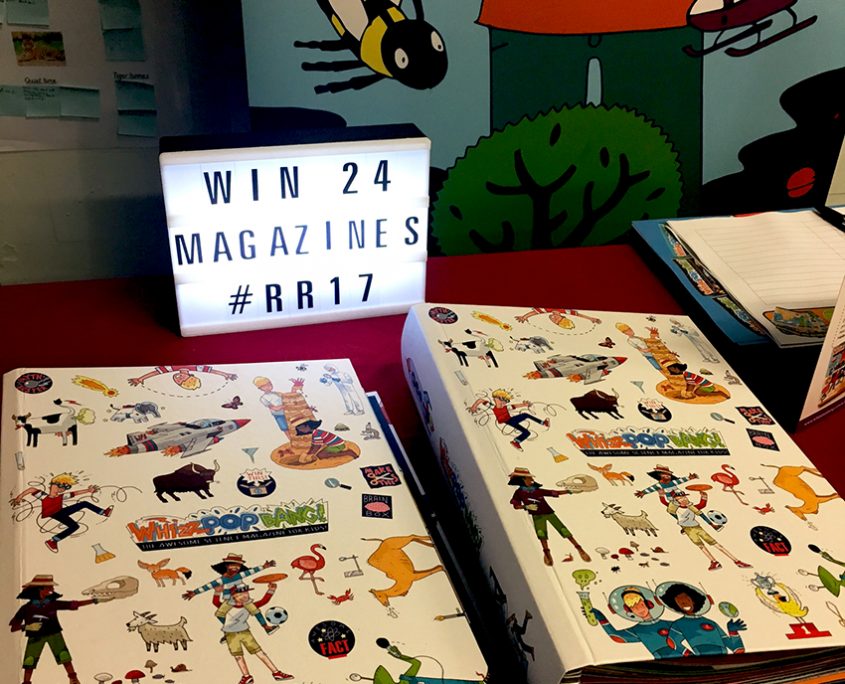
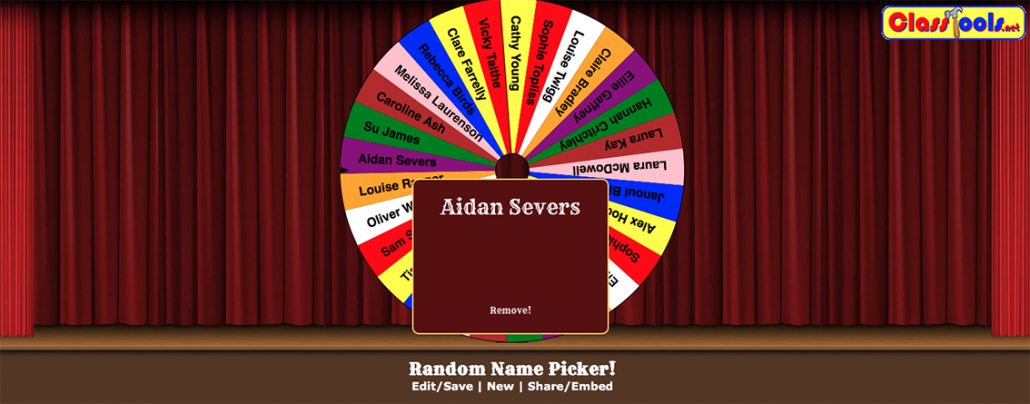
Everyone who visited the Whizz Pop Bang stand was invited to enter a competition to win 24 back issues of in two of our super handy binders. With the help of this Class tools app we’ve selected a winner, congratulations to Aidan Severs from Dixons Manningham Primary school in Bradford… enjoy with your budding young scientists!

Buy this issue here and get crafting some seriously spooky stuff ready for Halloween ?

Activities included in this issue: make a ball and socket joint, bend a real bone, make a bendy back bone, make a moveable skeleton, craft an x-ray machine and make a Halloween skull mask. Loads of awesome science fun for kids!
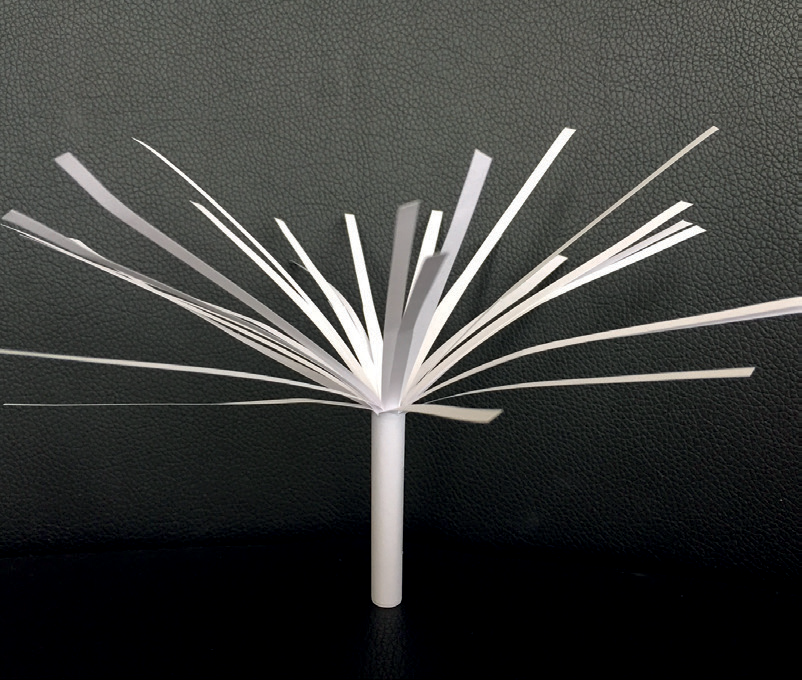
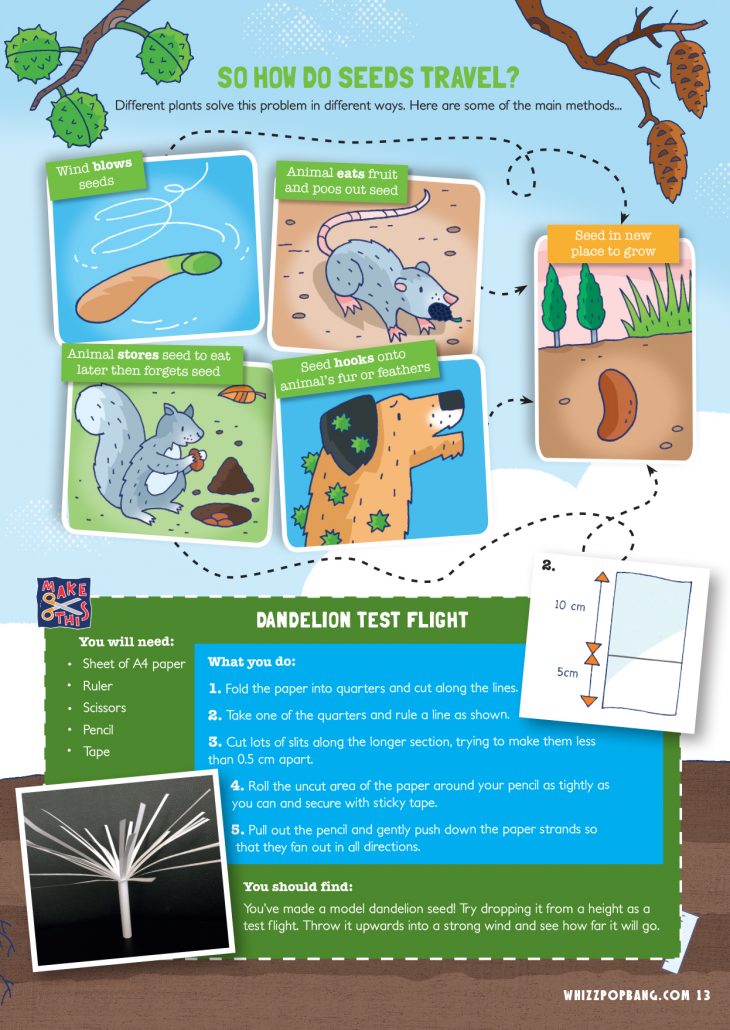
Follow the ingenious journeys of seeds with our SUPER SEEDS issue! Learn about seed dispersal with our simple experiments and activities, like this dandelion model test to show just how far seeds can travel.


You will need:
What you do:
You should find:
You’ve made a model dandelion seed! Try dropping it from a height as a test flight. Throw it upwards into a strong wind and see how far it will go.

We love hearing from our readers who always leave such honest reviews and comments, thanks to clare_isabel for this one on Instagram 🙂
Do your kids love asking WHY? Do your kids love a challenge? Are you looking for a family activity to try together? Subscribe to Whizz Pop Bang science magazine! Subscriptions from £2.92 per month and FREE UK delivery.

#familygoodtimes #makingsciencerelevantforkids #kidsmakethebestscientists #STEM #kidsmagazines