
Read the science news, including the latest on a recently-discovered baby tapir, here!
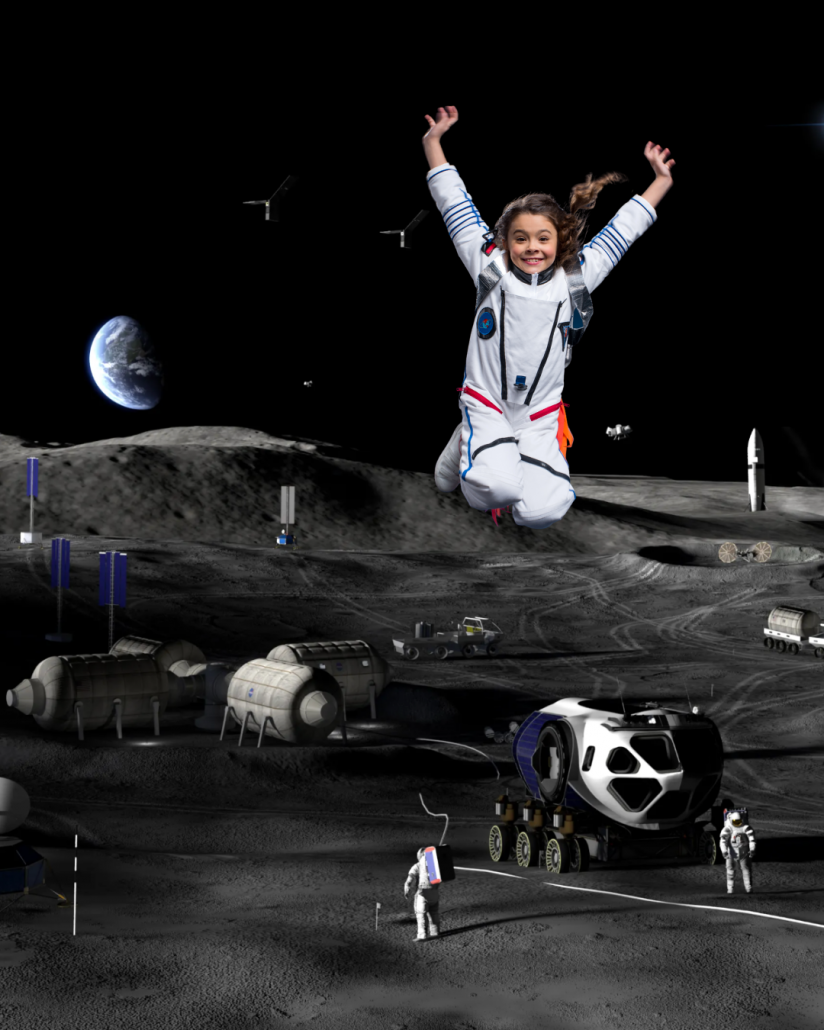
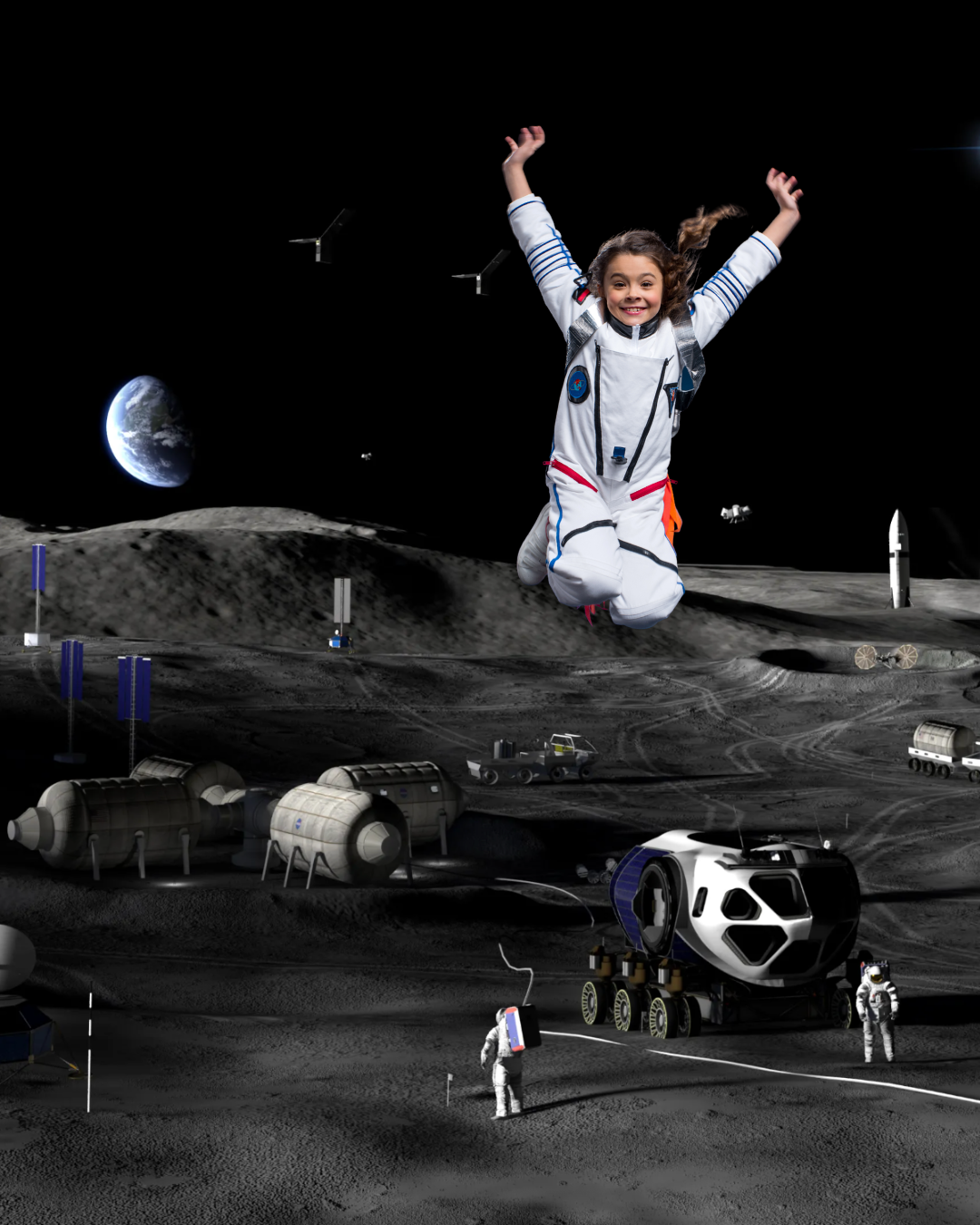
Imagine looking up at the Moon and knowing that people are living there!
NASA has revealed exciting plans for a huge lunar base where astronauts could live, work and explore. The Moon base could cover hundreds of square kilometres and help scientists prepare for future missions to Mars.
Although a permanent Moon base is still many years away, engineers and scientists are already working out how it could become a reality.
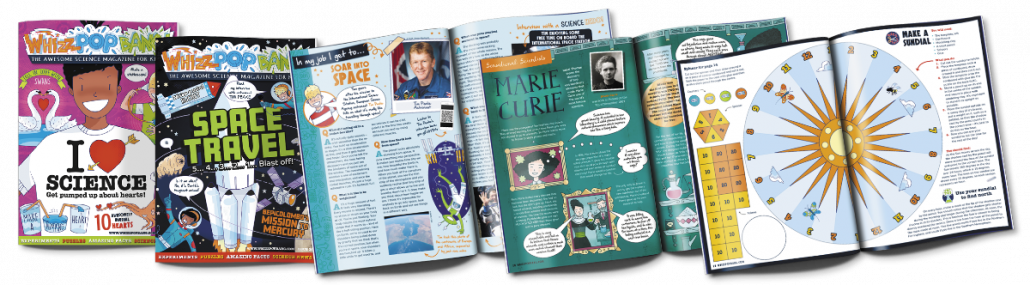
Want more kids science news? Try Whizz Pop Bang magazine!
Whizz Pop Bang is the award-winning science magazine for curious kids aged 6–12. Every month, young scientists discover fascinating facts, try hands-on experiments, meet real scientists and explore the incredible world around them.
Packed with screen-free activities, puzzles, competitions and amazing science news, it’s designed to inspire a lifelong love of STEM subjects while having lots of fun along the way.
What is a Moon base?
A Moon base is a place where astronauts could live for long periods of time on the lunar surface.
Just like research stations in Antarctica, a lunar base would provide shelter, food, water and equipment for scientists exploring an extreme environment.
Future Moon bases might include places to live, research laboratories, power stations and even greenhouses where food could be grown.
Why does NASA want a base on the Moon?
NASA hopes that living on the Moon will help humans learn how to survive on other worlds.
The Moon is much closer than Mars, making it the perfect place to test new technology and learn how astronauts can stay healthy during long space missions.
Scientists could also study the Moon’s rocks, history and hidden resources.
How would astronauts survive on the Moon?
Living on the Moon would be very different from living on Earth.
Astronauts would need protection from:
- Extreme temperatures
- Dangerous space radiation
- Tiny sharp Moon dust
- Meteorite impacts
Future Moon bases could be built underground or covered with lunar soil for extra protection.
Scientists are also exploring ways to create oxygen, water and fuel using materials already found on the Moon.
Could children ever live on the Moon?
Nobody knows for sure, but it could happen one day.
NASA’s plans are part of a long-term effort to establish a permanent human presence beyond Earth. If future Moon bases become successful, children growing up on the Moon may not just belong in science fiction stories.
Could the first child to live on the Moon be reading Whizz Pop Bang right now?
Amazing Moon Facts
🌕 The Moon is about 384,400 kilometres from Earth.
🚀 It takes about three days for astronauts to travel there.
👨🚀 Twelve people have walked on the Moon so far.
🌑 The Moon has no air that humans can breathe.
🦘 Because gravity is weaker on the Moon, astronauts can jump much higher than on Earth.
Want more space science?
If you love rockets, astronauts and incredible discoveries, check out Whizz Pop Bang magazine – it’s packed with hands-on activities, fascinating facts and out-of-this-world science fun!
Want more science news?
Read the latest science news for kids on the Whizz Pop Bang blog (as well as inside every edition of Whizz Pop Bang magazine!)