Calling all space fans! If your child dreams of exploring space, this brand-new immersive experience should be high on your family’s summer holiday list.
Credit: Smithsonian Institution & Fever
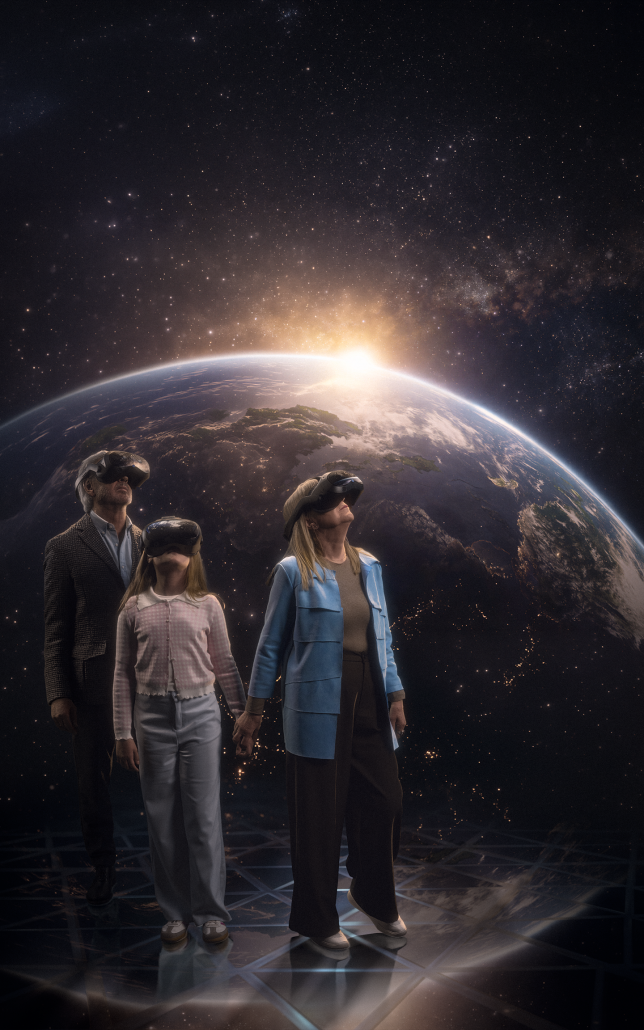
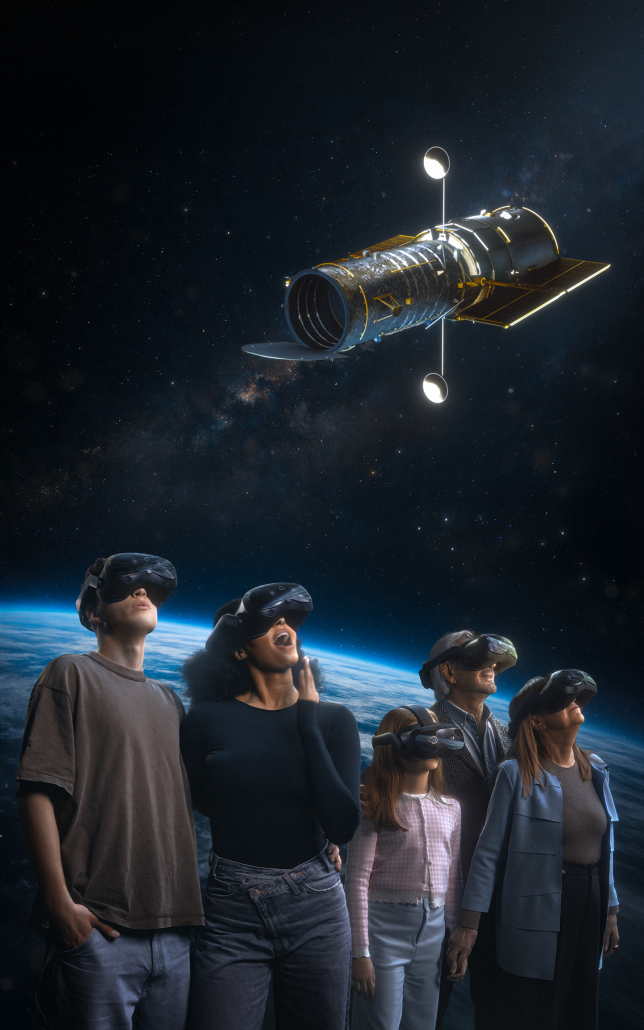
This summer, there’s an awesome new immersive experience at London’s Science Museum. Using virtual reality (VR) technology, ‘Starstruck’ takes you on a journey through the universe, exploring stars, black holes and galaxies.
Credit: Smithsonian Institution & Fever
Whizz Pop Bang went along for a sneak preview before the exhibition opened and we can confirm that it really is out of this world!
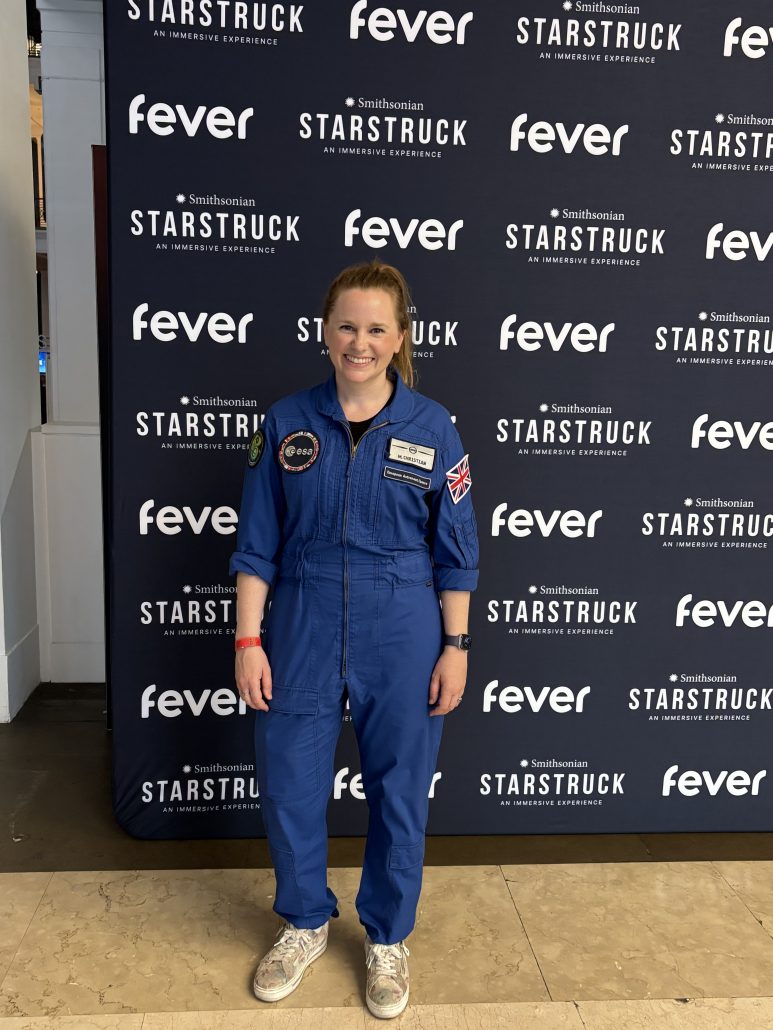
We also got to meet awesome ESA astronaut Meganne Christian and discuss black holes with Cambridge University’s astronomy professor and black hole expert Sera Markoff!
Planning a trip to London this summer? If your family loves space, science and immersive experiences, Starstruck looks like a fantastic way to explore the universe together.
Book your tickets and prepare for an unforgettable journey among the stars.
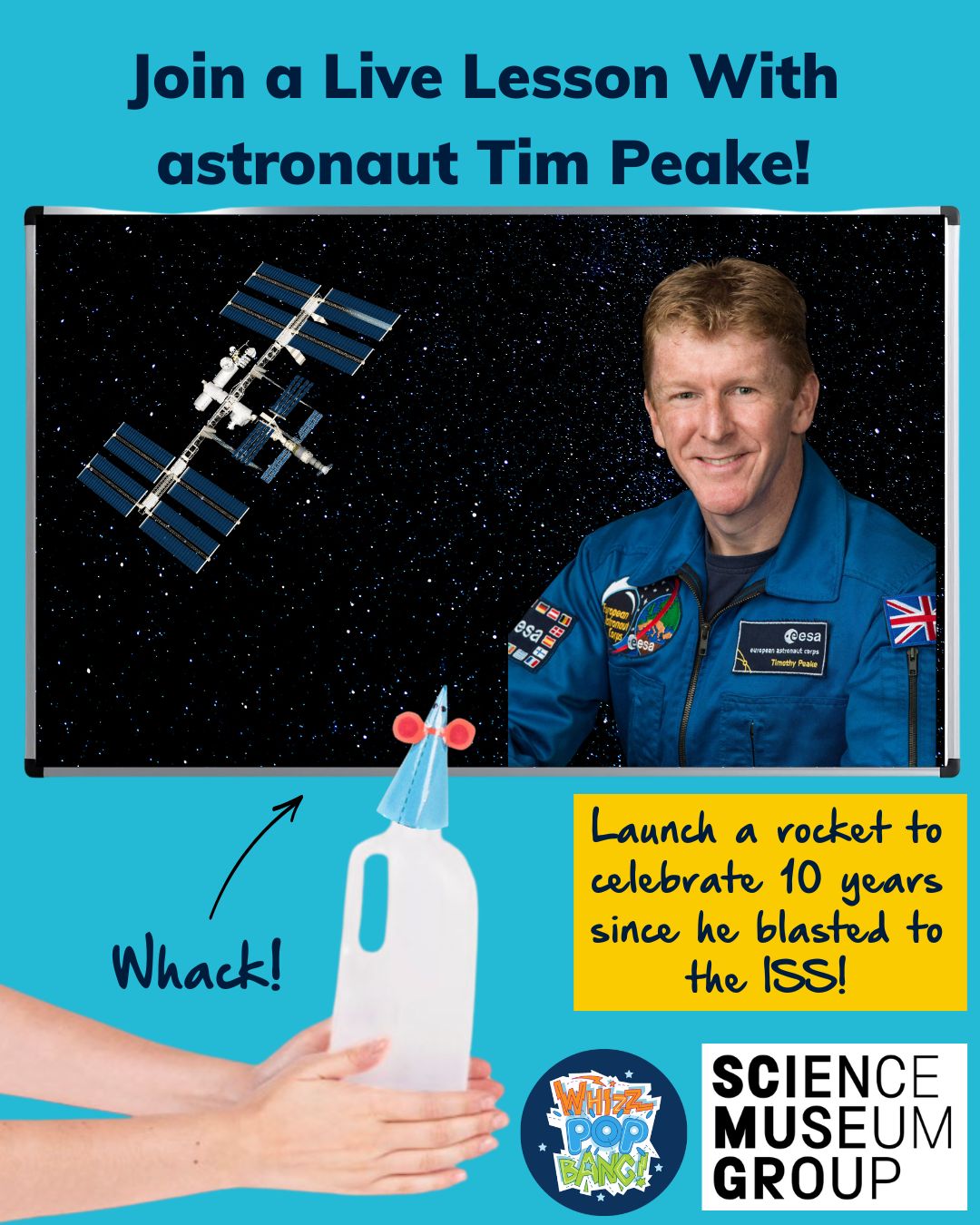
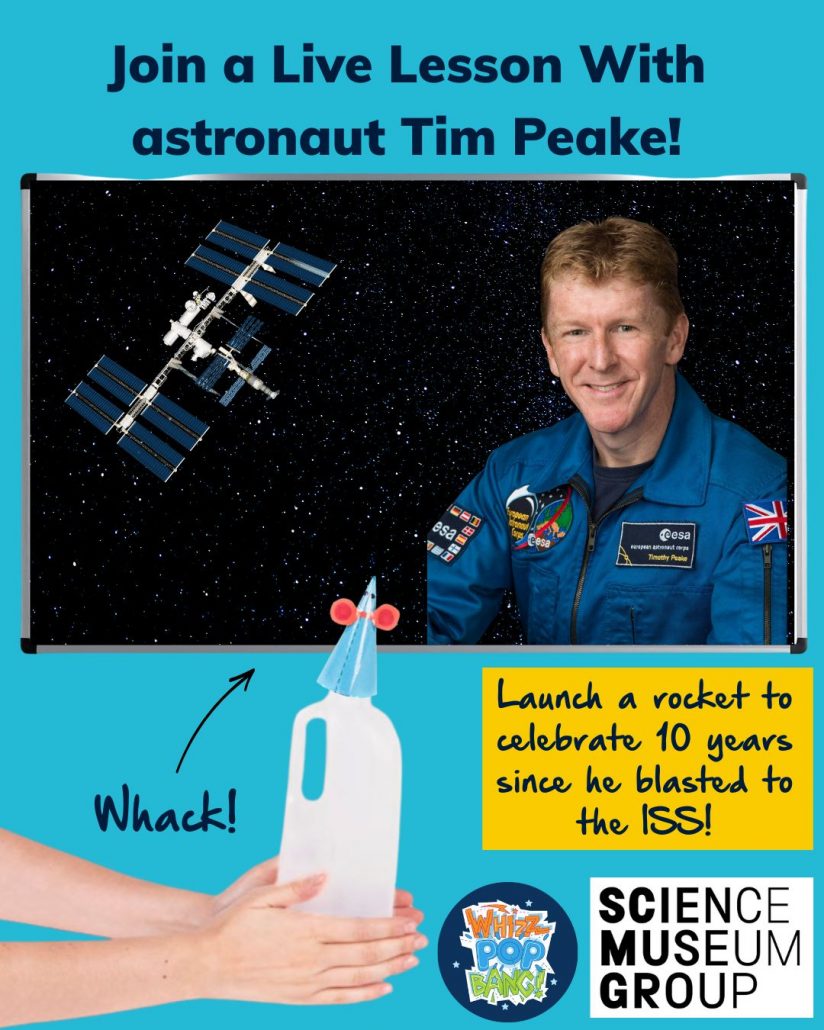
It’s 10 years since astronaut Tim Peake’s mission to the International Space Station launched…
To celebrate, kids across the UK are invited to join in a lesson with Tim. Broadcast live from the Science Museum at 10:20 am on the 15th of December, it will feature a mass paper rocket launch to mark the exact moment (at 11:03) that Tim blasted off into space a decade ago! Ask your teacher or parent to sign up here.
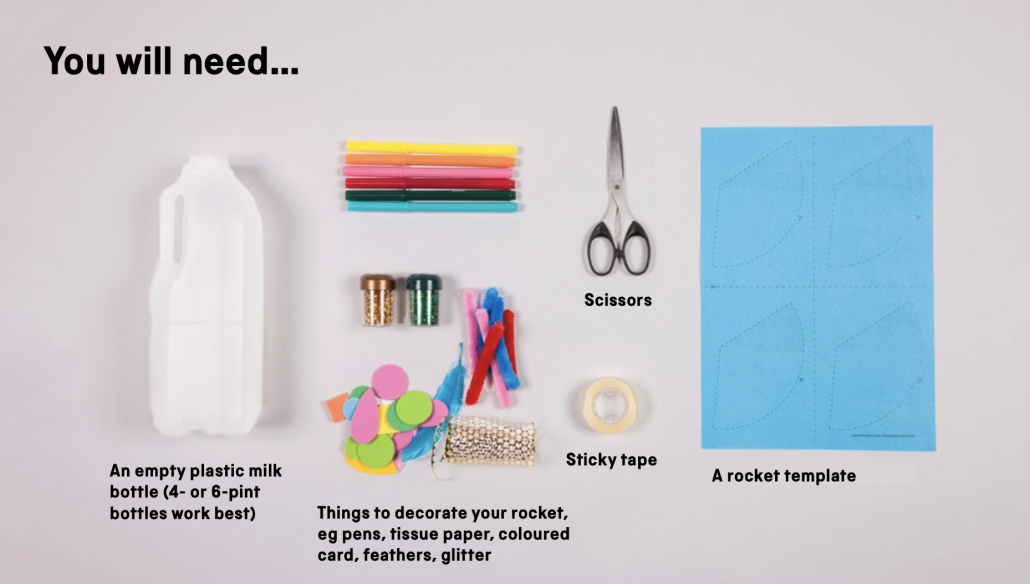
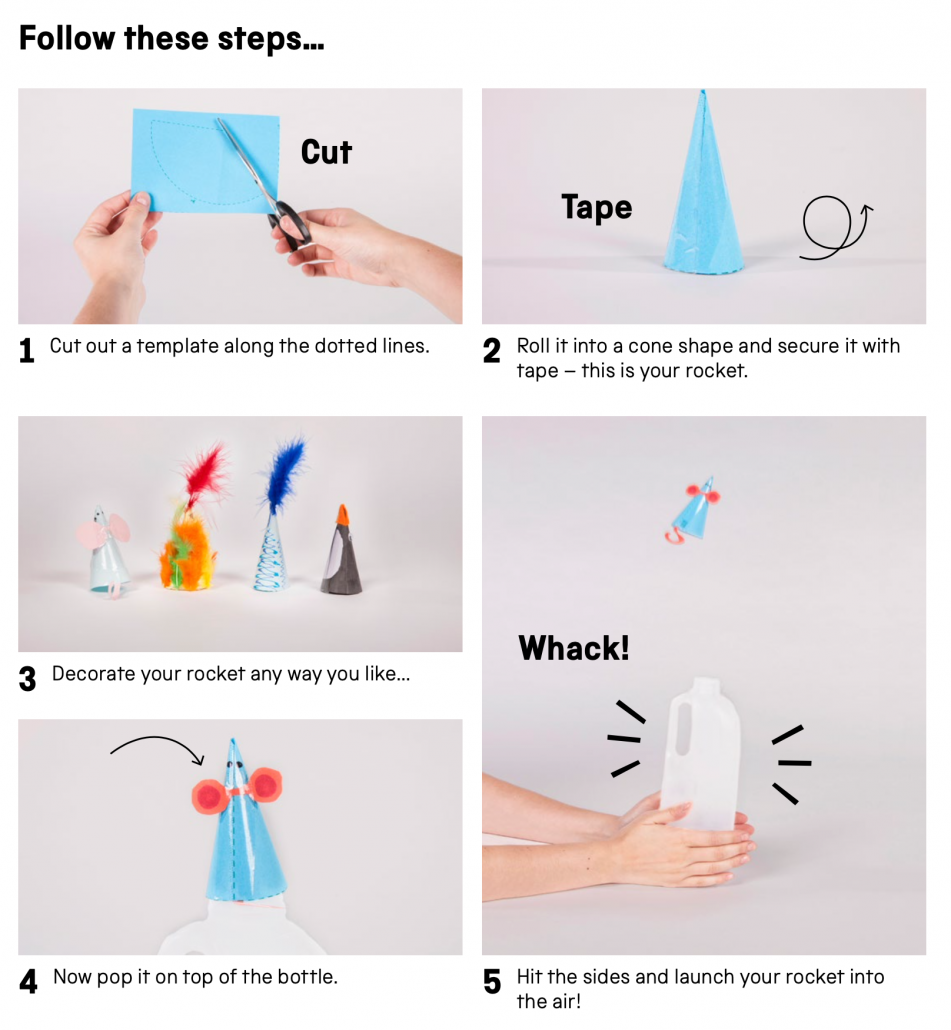
or read the information and instructions here, then download the templates only afterwards.
Overview for adults
There’s an old saying: what goes up must come down. This activity is a perfect chance to challenge that idea, shooting a rocket high into the air by rapidly squashing a plastic bottle launcher. You’ll never get this rocket into space – but some real rockets do go fast enough to prove the saying wrong.
What’s the science?
The bottle used as the rocket launcher is not really empty: there is air inside it. Air is elastic (squashy), and when you compress it, it pushes back and the pressure inside increases. In the activity, the sudden increase in air pressure inside the bottle pushes hard on the bottom of the rocket, sending it flying high into the air. There are also two other forces acting on the rocket: air resistance and gravity. Air resistance always pushes in the opposite direction to the rocket’s movement, and its strength depends on the rocket’s shape and its speed. Gravity always pulls downwards, slowing the rocket’s climb but speeding up its descent.
Science in your world
Just as increasing the air pressure in the bottle sends the rocket flying, you use air pressure when you squeeze shampoo or ketchup from a plastic bottle. It’s not usually as exciting as watching the rocket shoot into the air in the activity… unless you’re having a food fight!
Did you know…?
In order to keep going straight upwards and never fall down again, a rocket must reach a speed called escape velocity, which is 11.2 kilometres per second.
Think and talk about…
• What makes your rocket fly? • What makes it come down again? • How do you think a real rocket works?
Investigate…
• How could you make your rocket travel higher? • How could you make your rocket go more slowly? • Can you make your rocket spin as it falls?
Science in your world
Just as increasing the air pressure in the bottle sends the rocket flying, you use air pressure when you squeeze shampoo or ketchup from a plastic bottle.
British Science Week 2025 is an exciting annual celebration of science, technology, engineering, and mathematics (STEM) in the UK. Taking place from 7th to 16th March 2025, this nationwide event features a variety of science activities, workshops, and events for children and adults alike. Whether you’re a budding scientist or simply curious about the world around you, there are plenty of ways to engage with science during this week-long festival.
How to Take Part in British Science Week 2025
Getting involved in British Science Week doesn’t have to be complicated. Here are some easy and fun ways to explore science:
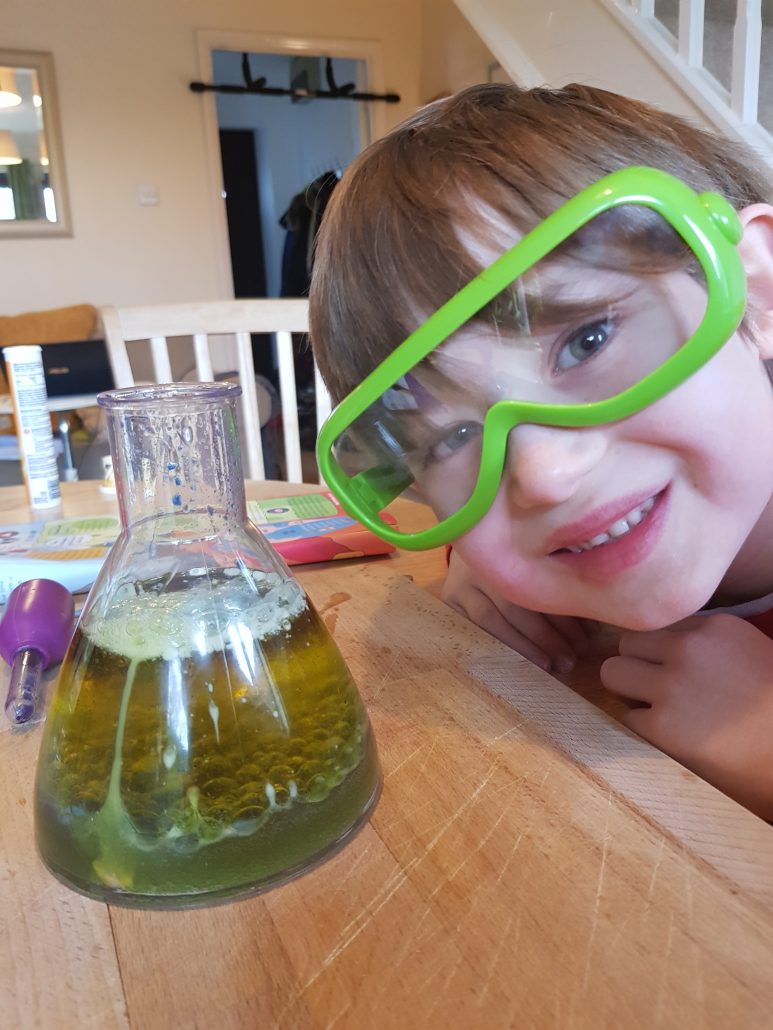
Try kitchen science experiments at home
Visit a science museum or exhibition
Attend a science talk or fair
Join a citizen science project
Enter the British Science Week poster competition
The goal of British Science Week is to spark curiosity and excitement about STEM subjects, making science accessible and enjoyable for all ages.
You don’t need a high-tech lab to explore science—many exciting hands-on experiments can be done using everyday household items. Simple ingredients like vinegar, baking soda, and food coloring can lead to fascinating discoveries.
Science museums and exhibitions are packed with interactive displays and hands-on experiments, making them a great way to engage kids with science. During British Science Week, many museums and venues host special STEM events, workshops, and science shows. Find your local science centre here!
Looking for science events near you? Check out the What’s On in Science Week listings to find both in-person and virtual science activities happening from 7th-16th March.
The British Science Week poster competition is a fun challenge for children aged 3-18 years old. This year’s theme is “Change and Adapt”, and young scientists can submit creative posters for a chance to win all sorts of science prizes.
Submission deadline: 3rd April 2025
Encourage your child to showcase their creativity and love for science by entering the competition. Find out more here.
From DIY science experiments to museum visits and STEM competitions, there are so many ways to celebrate British Science Week 2025. Whether you explore science at home, attend an event, or take part in a citizen science project, it’s a fantastic opportunity to learn, discover, and have fun with science.
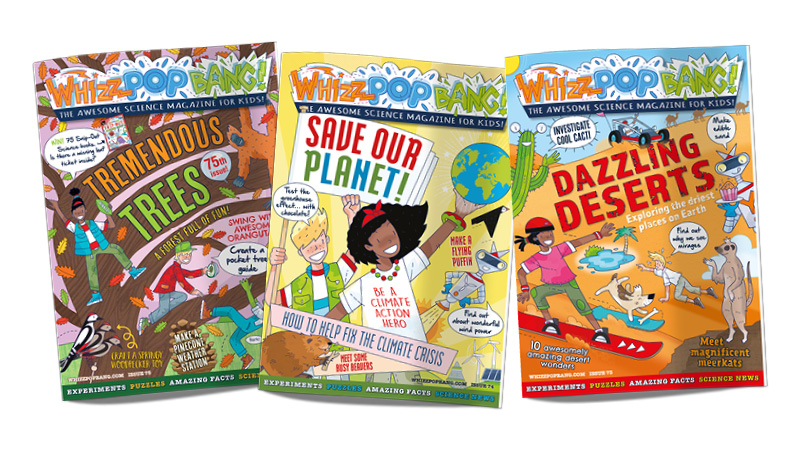
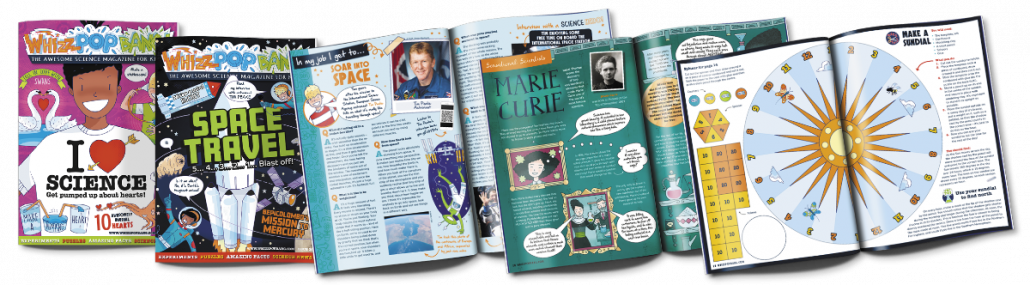
Fill your child with science wonder with a subscription to Whizz Pop Bang, the award-winning magazine for 6 to 12-year-olds. Watch their face light up with glee when their very own magazine zooms through the letterbox! Packed full of hands-on science awesomeness, it’s the gift that keeps of delighting, month after month.
Team Whizz Pop Bang spent a wild weekend meeting hundreds of scientists-in-training at Just So Festival 2023. Thank you so much to Just So Festival for having us back again – we absolutely love being a part of this incredible event.
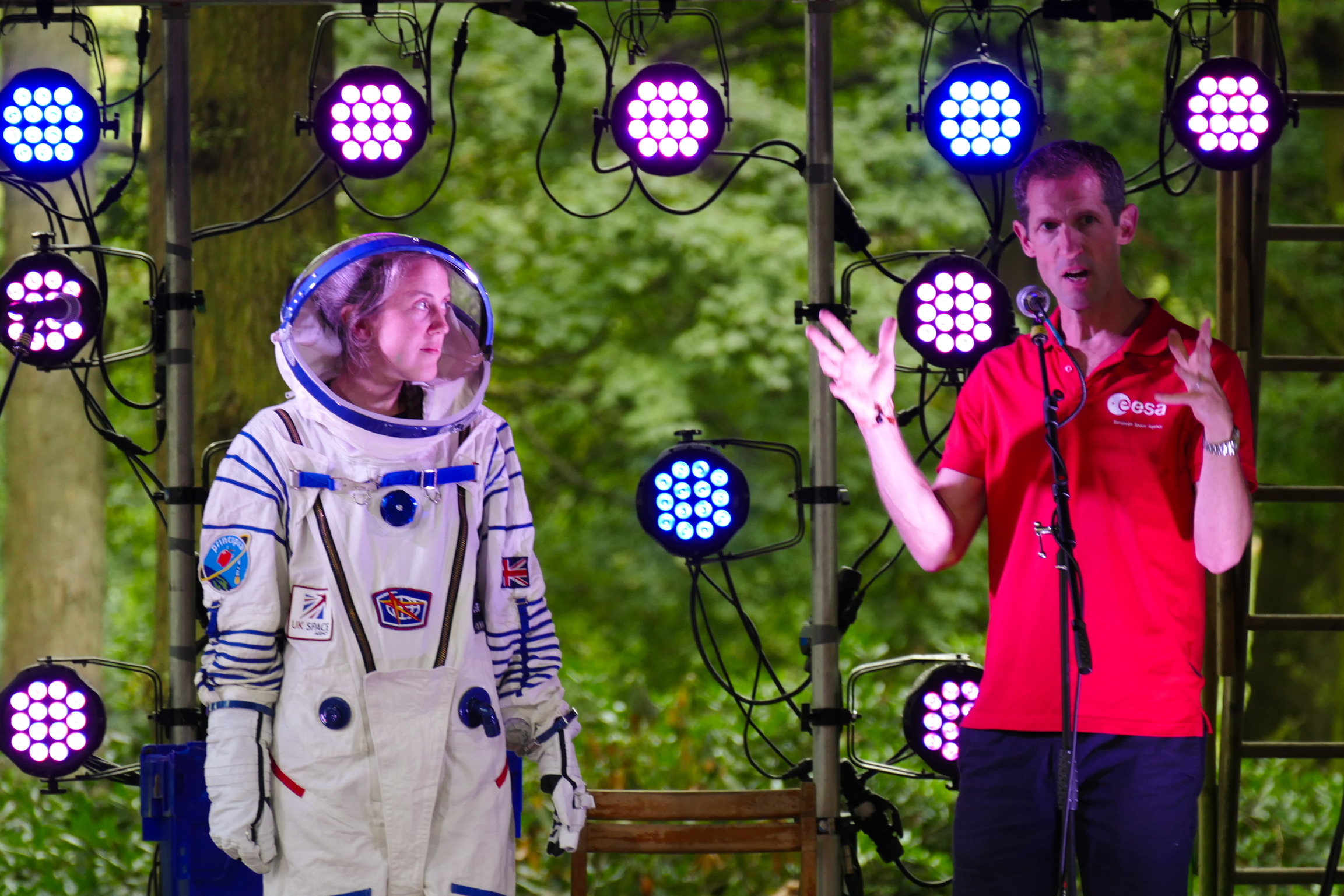
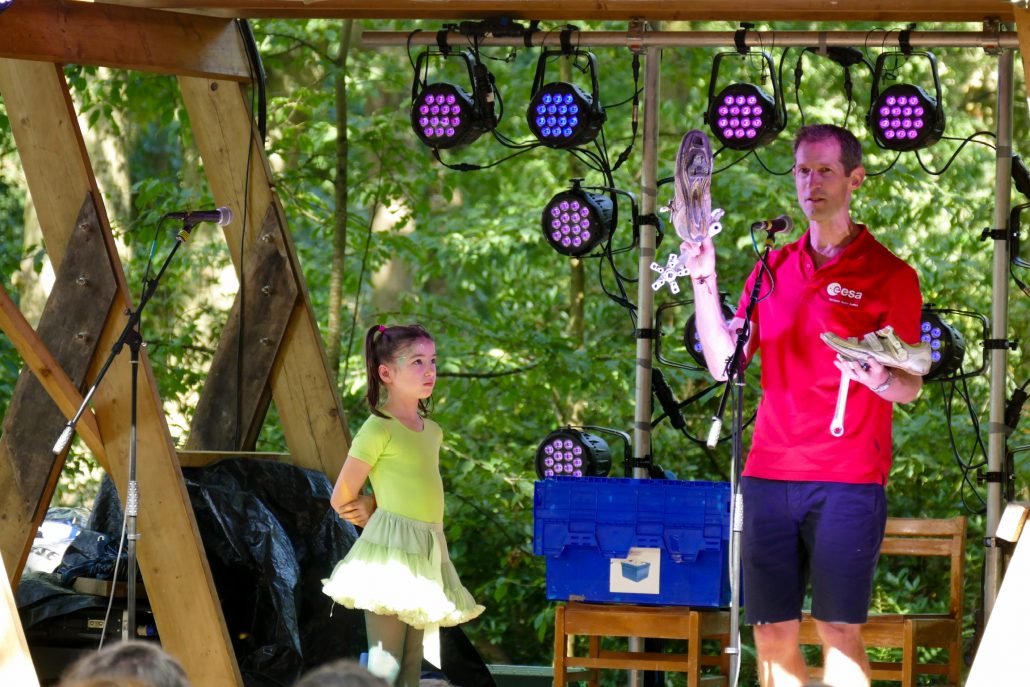
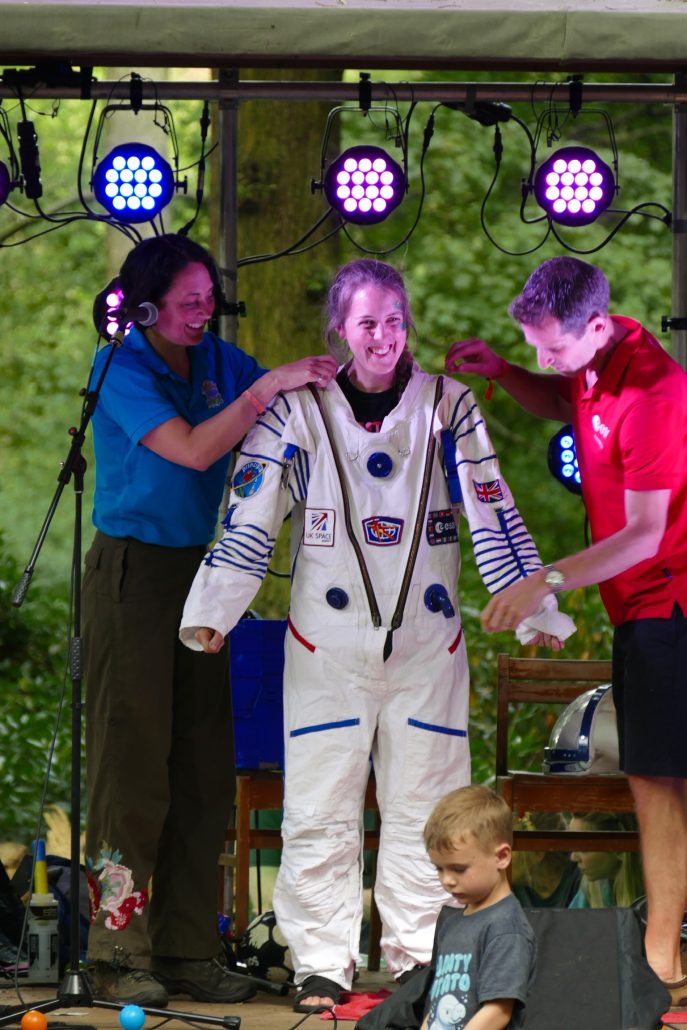
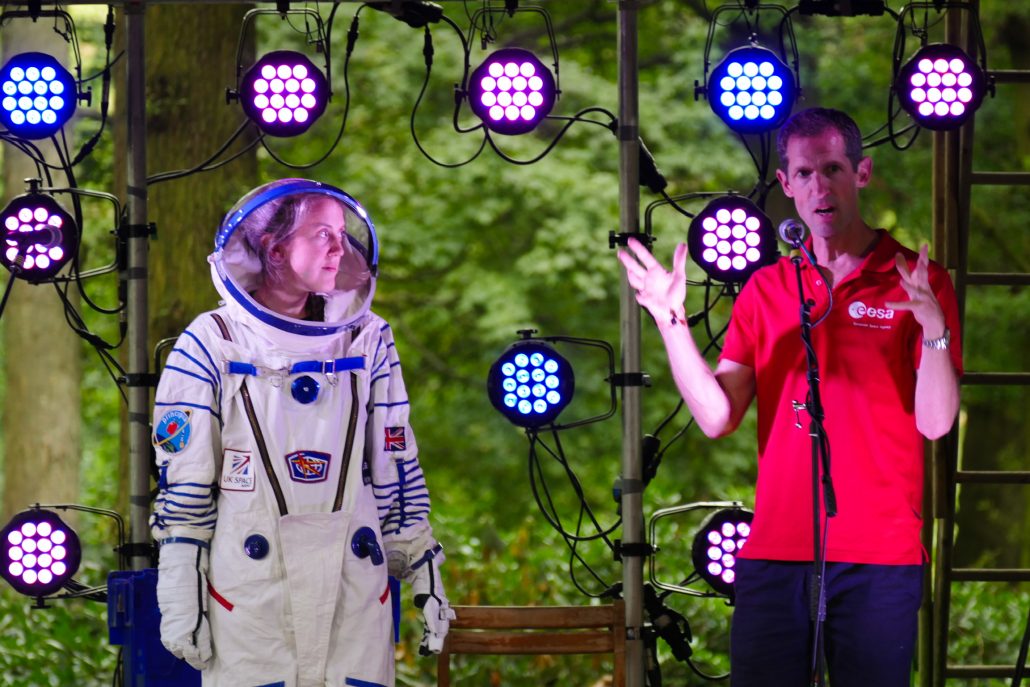
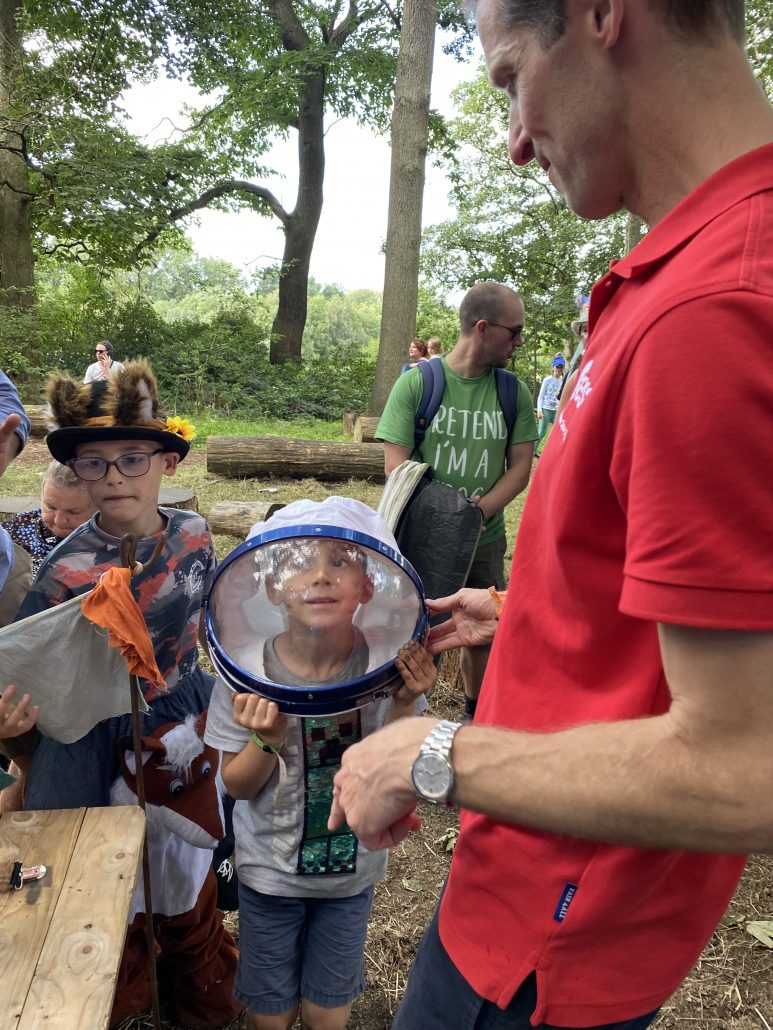
This year, we brought Jonathan Scott from the European Space Agency (ESA) along to share his amazing knowledge of staying fit and healthy in space. Jon works in the Space Medicine Team at ESA and he used his expert skills to run an Astronaut Training Camp.
Jon brought a replica space suit along for Whizz Pop Bang fans to try on!
We were overwhelmed with the turn out for Jon’s talk and it was fantastic to see so many budding astronauts! A HUGE thank you to Jon, and to all of you who came and joined in the fun. We hope you picked up a thing or two about how astronauts stay fit and healthy on board the International Space Station.
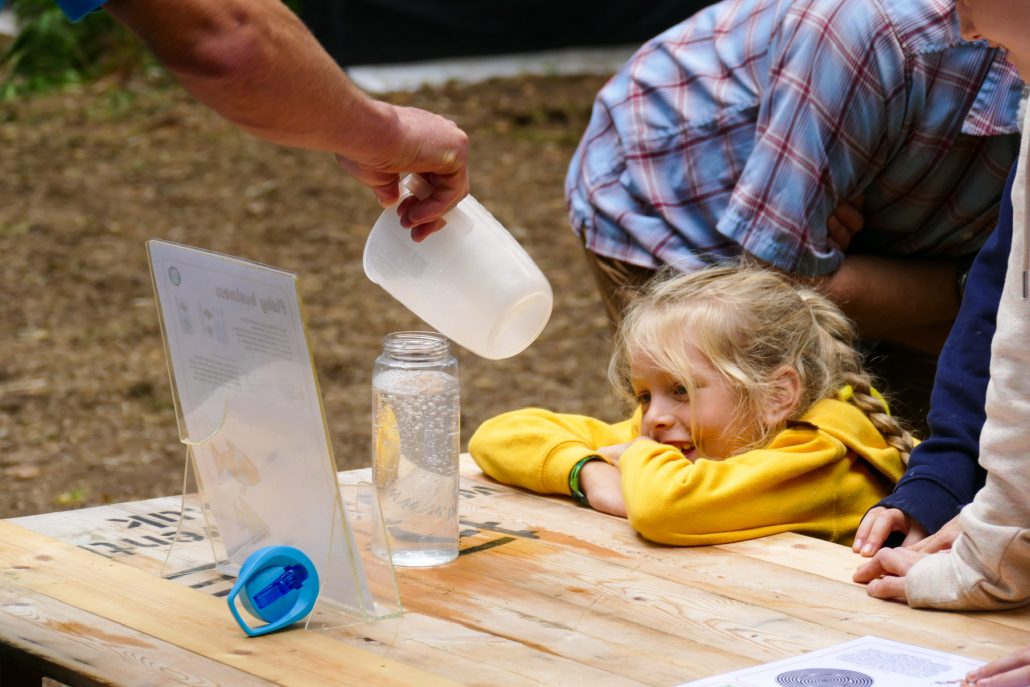
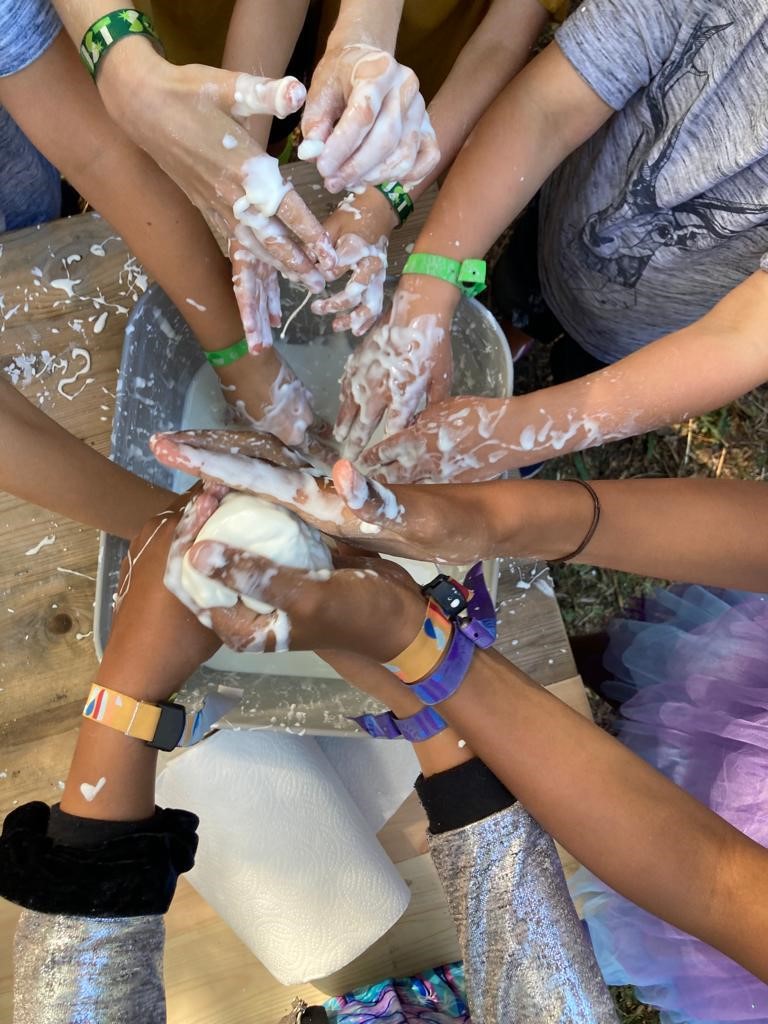
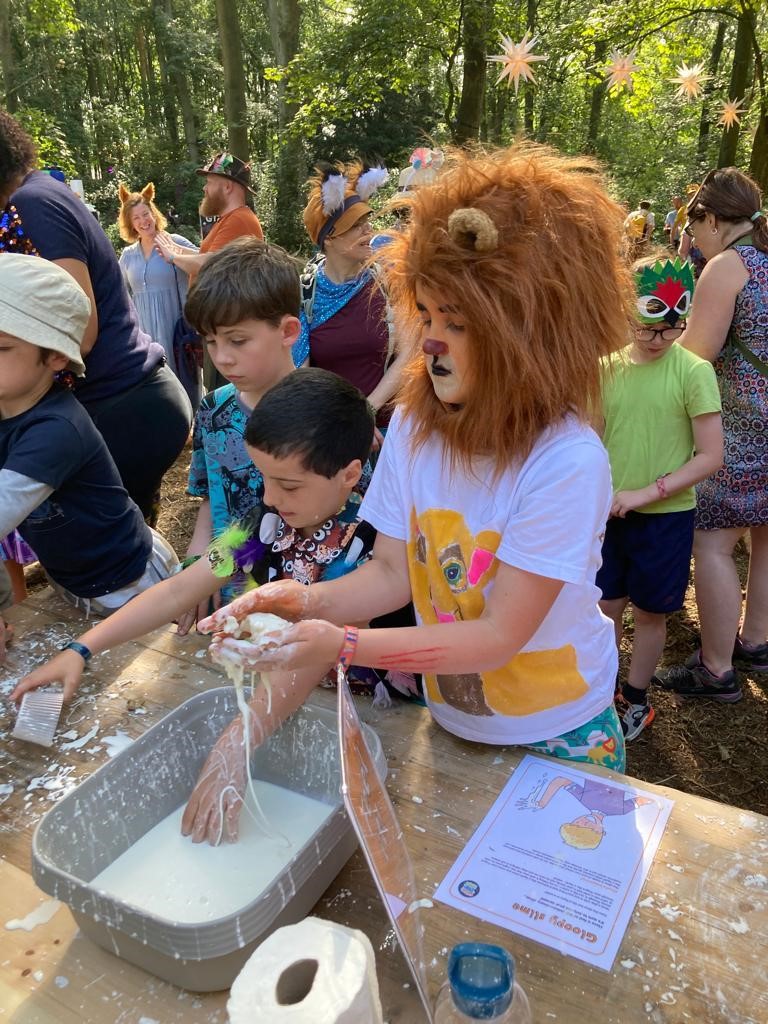
We also ran The Whizz Pop Bang Discovery Den, where young scientists could explore their five senses in some super-fun hands-on experiments.
Children were invited to visit us in ‘The Future’ area in the woodland at Just So Festival and try five different activities linked to the senses.
Dr Leigh Hoath is Editor of the Association for Science Education’s Primary Science journal. Her work reaches out to teachers across the whole age phase of primary schools in order to try to support engagement and interest in science. Her interests lie predominantly in improving learning and teaching in Primary Science, pedagogy and working in the outdoor setting.
Dr Leigh Hoath’s top tips for teaching primary science:
Talk to people in the science industry, in business and make use of the educational outreach science museums offer for schools
One of the easiest ways to make science relevant for kids, whilst keeping to the curriculum, is to subscribe to a magazine like Whizz Pop Bang. Our subscriptions for schools allow children to independently read up-to-date news articles every month about things that are happening in their world, as well as the big news stories written in a way to inform children, without worrying them.
To accompany each issue of Whizz Pop Bang magazine, there’s a library of online resources for schools, all planned and ready to download and teach – with a handy kit list of inexpensive household items to carry out the investigations.
Teachers can deliver hands-on science lessons that are both fun and hands-on for children, getting a ‘deep dive’ experience they’ll remember.
“Using Whizz Pop Bang has revitalized our science teaching. The quality of the resources are first class and particularly support cross curricular links through the reading comprehension activities. We have found these to be particularly useful at the upper end of KS2 where science can be used as a vehicle to support SATs, making use of skills of inference and deduction based on relevant scientific topics. In addition the planning offers exciting practical ideas, particularly useful to teachers who are not scientific specialists. The children absolutely love carrying out the real-life experiments.”
Sally Cowell, Head teacher at Shaw Ridge Primary school, Swindon
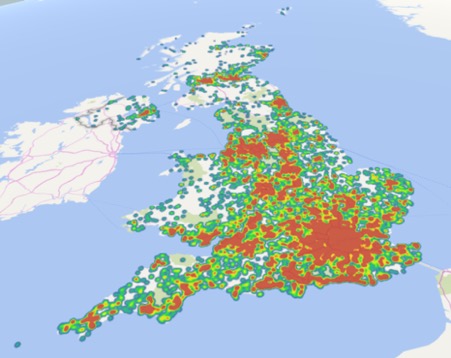
As you can see from this image, we have Whizz Pop Bang subscribers everywhere! We’re thrilled to see just how far and wide our readership spreads; with children and their families in the Shetlands, Outer Hebrides, Orkney Islands, Isles of Scilly and many parts of Wales enjoying our magazine. And it doesn’t stop here, we have subscribers worldwide and our aims for 2019 are to grow our international readership to reach many more children, both at home and in schools.
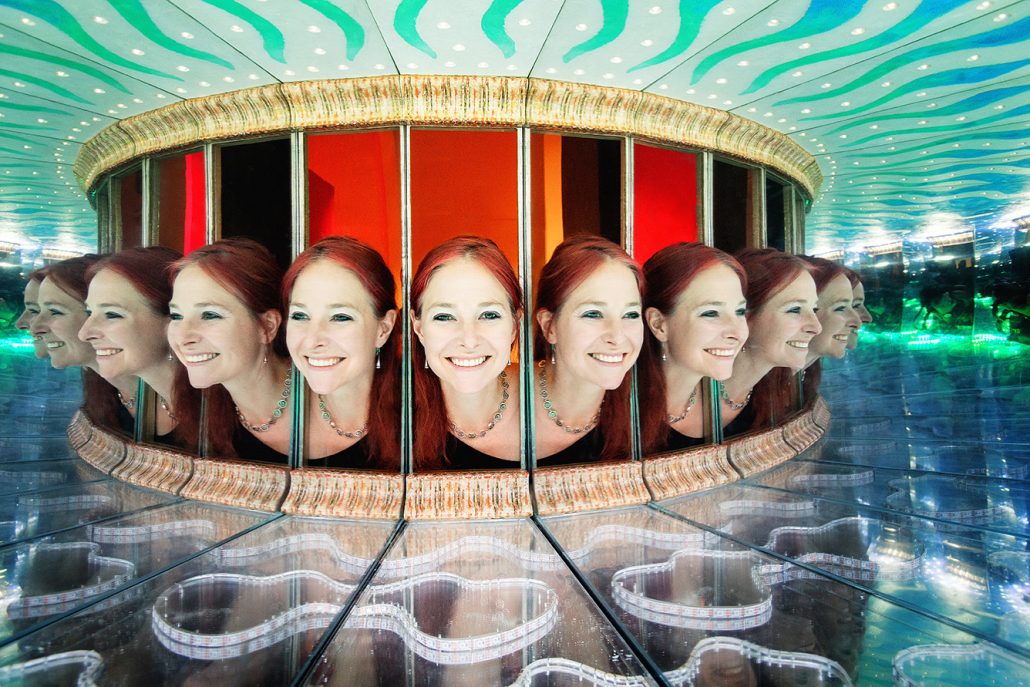
Prof Alice Roberts who will be answering the question ‘Who are we?’ at the Royal Institution Christmas lectures 2018
Who are we?
Where do we come from?
What does it mean to be human?
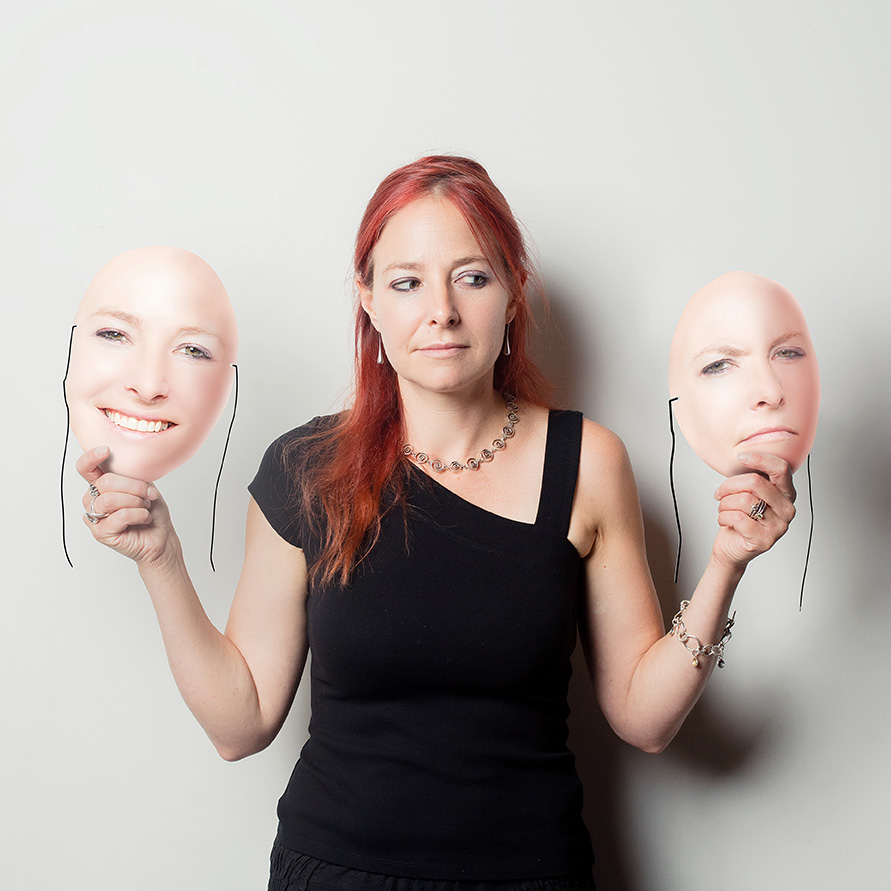
This year Prof Alice Roberts will take us on a fascinating journey for the Royal Institution of Great Britain Christmas lectures to answer the most fundamental of questions: Who am I?
Each one of us is unique. And yet there are many more similarities between us than differences. We share about 99.4% of our genetic sequence in common with other people. In that small genetic difference resides much of the wonderful variety we see in humans today. How do we use the similarities and differences between us to construct our individual identities?
In the 2018 CHRISTMAS LECTURES from the Royal Institution, scientist, author and TV presenter Alice Roberts will take us on a journey to answer the most fundamental of questions: Who am I?
Tickets to the filming of the Christmas lectures are available through a ballot in September, open to Royal Institution Members and Patrons and UK registered schools only. To find out how to join the Ri and apply for tickets to this once in a lifetime show, visit the Ri website.
About the lectures
From our hidden similarities to a fruit fly, to the story of the emergence and global spread of our own species, to the interplay between genes and environment in creating individual differences, Alice will uncover our shared evolutionary past and ask challenging ethical questions about what the future holds.
Lecture 1 explores our amazingly beastly past, and through surprising similarities to our animal ancestors – from the bones and body plans we share with fish and horses to the genes we share with a fruit fly – we discover our true place in the biological tree of life.
Lecture 2 examines connections with our closest living relatives, chimpanzees, and traces our evolutionary journey – from a common ancestor with those apes, to the emergence of our species, Homo sapiens, and the amazing colonisation of the world by our Stone Age ancestors. What are the essential characteristics that makes us human? And how did out species become so successful?
Lecture 3 unpicks genetic variations to find out how the differences between us are created by an interplay between genes and environment, asks whether we can find evidence for natural selection and adaptation in our genomes today, and explores how our DNA may hold clues to future health and risk of disease. We can already change the genes of crops to give them traits we see as desirable, but could it be possible for humans?And in this Brave New World, where do we draw the line?
The Lectures will be broadcast on BBC Four in December.
Alice, who is Professor of Public Engagement in Science at the University of Birmingham, said: “The study of biology and our own evolutionary past gives us a really interesting way to understand who we are, today. I’m looking forward to sparking some young imaginations with this amazing area of science.
“As well as providing us with knowledge about our past and present, though, new technologies can confront us with difficult decisions about what we should do in the future.
“So I’ll also be asking some challenging questions about what identity means today, and what advances in genetics in particular might mean for us as a species.”
Later this month the amazing Professor Sophie Scott will deliver the 2017 CHRISTMAS LECTURES from the Royal Institution. Sophie’s a neuroscientist, stand-up comedian and an expert in laughter! She’ll be unpacking all the amazing ways in which humans and animals communicate, and to celebrate we’re taking a peek at the most famous talking animals…
You can watch The Royal Institution Christmas lectures on BBC Four at 8.00pm on 26th, 27th and 28th December.
Royal Institute Christmas lectures famous animal communicators
Watch The Royal Institution Christmas lectures on BBC Four at 8.00pm on 26th, 27th and 28th December – let us know what you learnt from Sophie!
We have news of a fun competition for emoji-lovers! This competition is run by the Royal Institution in conjunction with the Christmas lectures this year…
Design an emoji for Christmas Lecture Professor Sophie Scott!
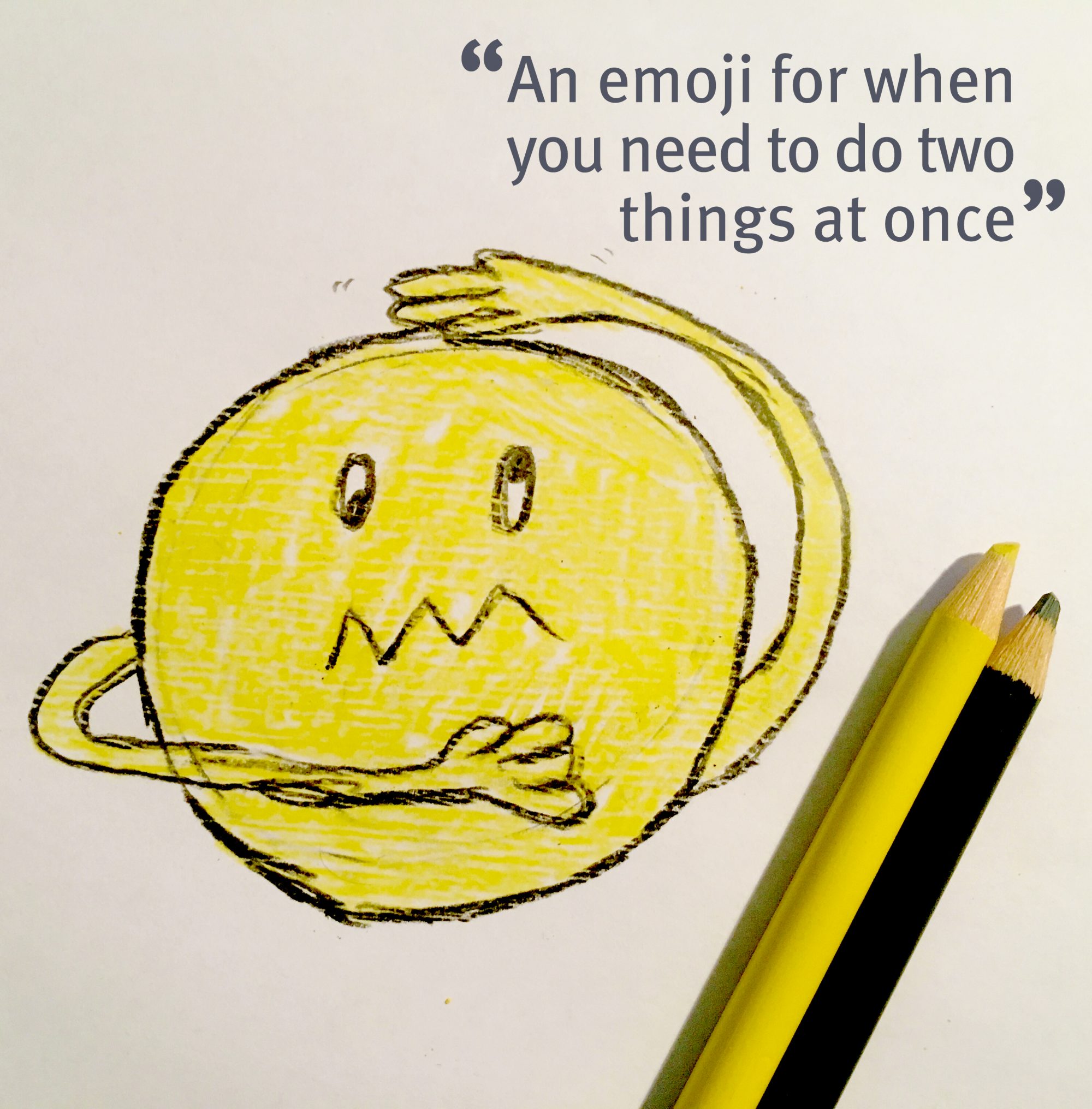
Emojis are changing the way we communicate online. We’re all using them and we all have our favourites. But sometimes there’s a situation, feeling or object that doesn’t have an emoji and it really, really needs one! Now’s the chance for you and your children to give the world the emoji you’ve always dreamed of!
To mark the 2017 CHRISTMAS LECTURES from the Royal Institution, they’re asking people of all ages to design an emoji and share why it is missing in the world.
Design an emoji competition
It’s a fun and easy way for kids to do a science-related activity, and links to this year’s CHRISTMAS LECTURES where the amazing Prof Sophie Scott will reveal the wonderful ways we and animals communicate – emoji’s will be right in the mix!
So look out for the CHRISTMAS LECTURES on BBC Four between Christmas and New Year
The closing date is 5pm, Friday 15 December. You’ll start to see emojis featured on the Ri website and social media from 1 December onwards. So be sure to check back to see if yours has made it into the emoji hall of fame.