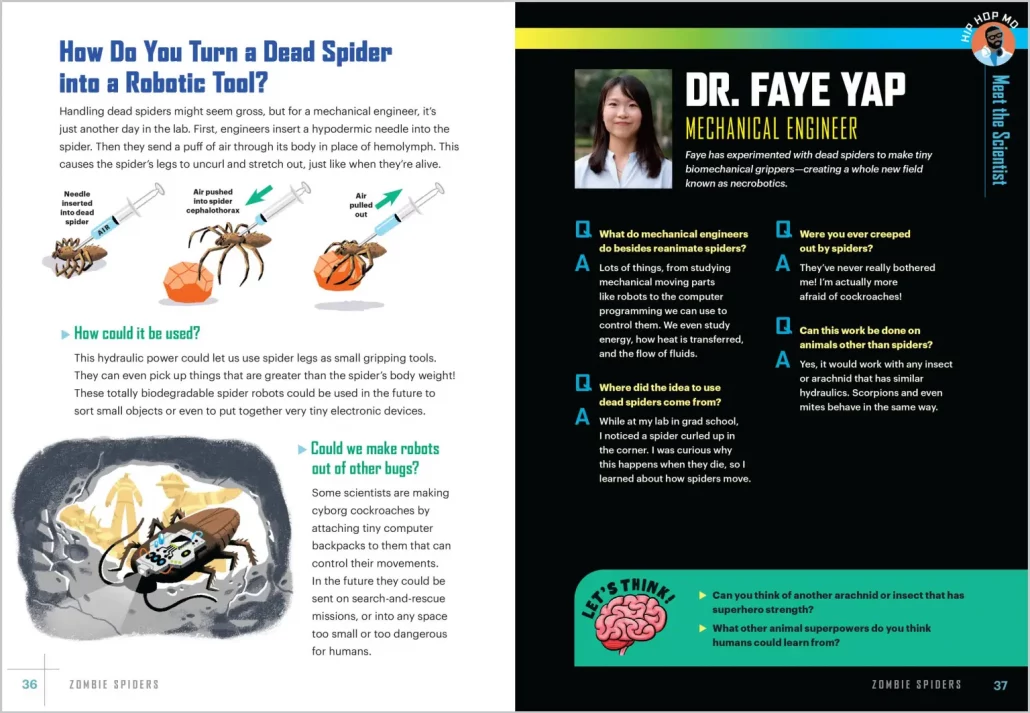
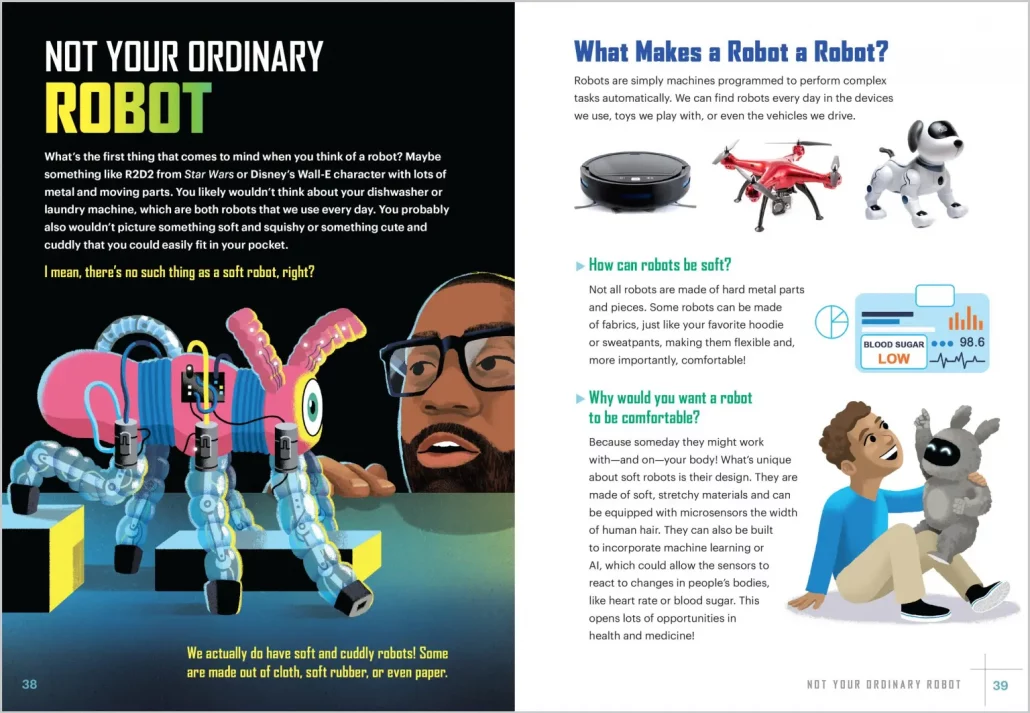
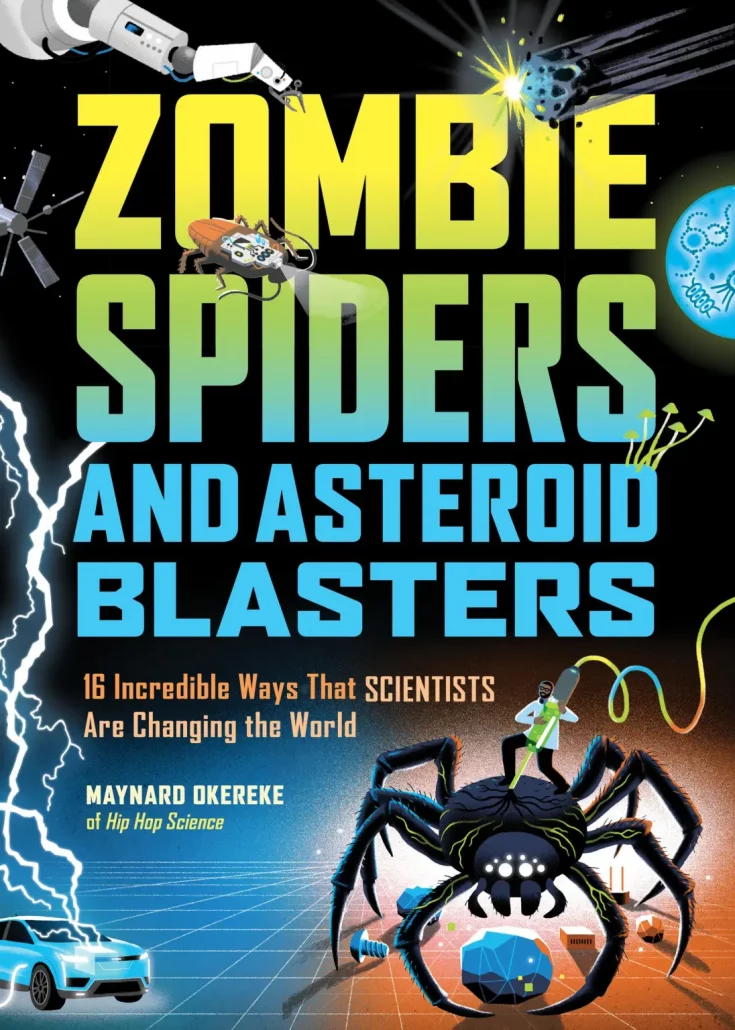
Looking for a children’s science book giveaway packed with curiosity, humour and real STEM ideas? We’re giving Whizz Pop Bang readers the chance to win one of five copies of Zombie Spiders and Asteroid Blasters – a fun, fact-filled science book that uses wild “what if?” questions to explain real physics, biology and space science to curious children aged 8–12.
What’s Zombie Spiders and Asteroid Blasters all about?
Written by science communicator Maynard Okereke, this brilliantly bonkers book takes ideas that sound impossible and explores them using real science.
Inside, readers will discover:
🧠 Whether zombies could ever exist
🕷️ What it would really take to create giant spiders
☄️ How scientists might stop an asteroid hitting Earth
🚀 The science behind sci-fi films, games and comics
Each chapter starts with a big, imaginative question and breaks it down using clear explanations, humour and evidence, helping children think like real scientists.
Why Whizz Pop Bang readers will love it
This is exactly the kind of book that appeals to curious Whizz Pop Bang fans:
🔬 A fun science book for kids who love asking “how does that work?”
📖 Easy to dip into – perfect for reluctant readers and confident readers alike
🤯 Encourages critical thinking and problem-solving
🎮 Ideal for fans of sci-fi, gaming and STEM
It’s a fantastic example of a STEM book for children that makes big ideas exciting and accessible.
How to enter this children’s science book giveaway
To be in with a chance of winning one of 5 copies, simply answer this question in the comments:
Which of these is a real type of spider?
A) Black belt spider B) Hairy toed spider C) Happy-bum spider
Who is this book suitable for? This book is ideal for curious children aged around 8–12 who enjoy science, sci-fi and asking big questions.
Do I need to be a Whizz Pop Bang subscriber to enter? No – the competition is open to all Whizz Pop Bang readers.
Is this competition open internationally? No, this giveaway is open to UK entries only.
Good luck!
We love sharing science books for kids that spark curiosity, stretch imaginations and show how exciting real science can be. Good luck to everyone entering – and keep asking brilliant (and slightly bonkers) questions! 💥🔍
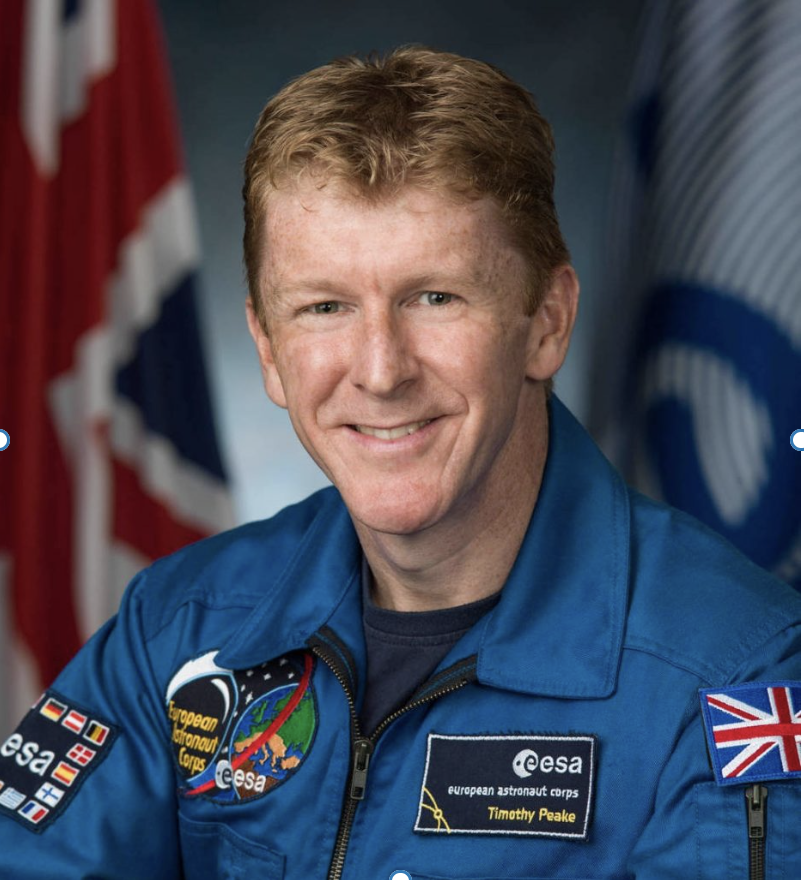
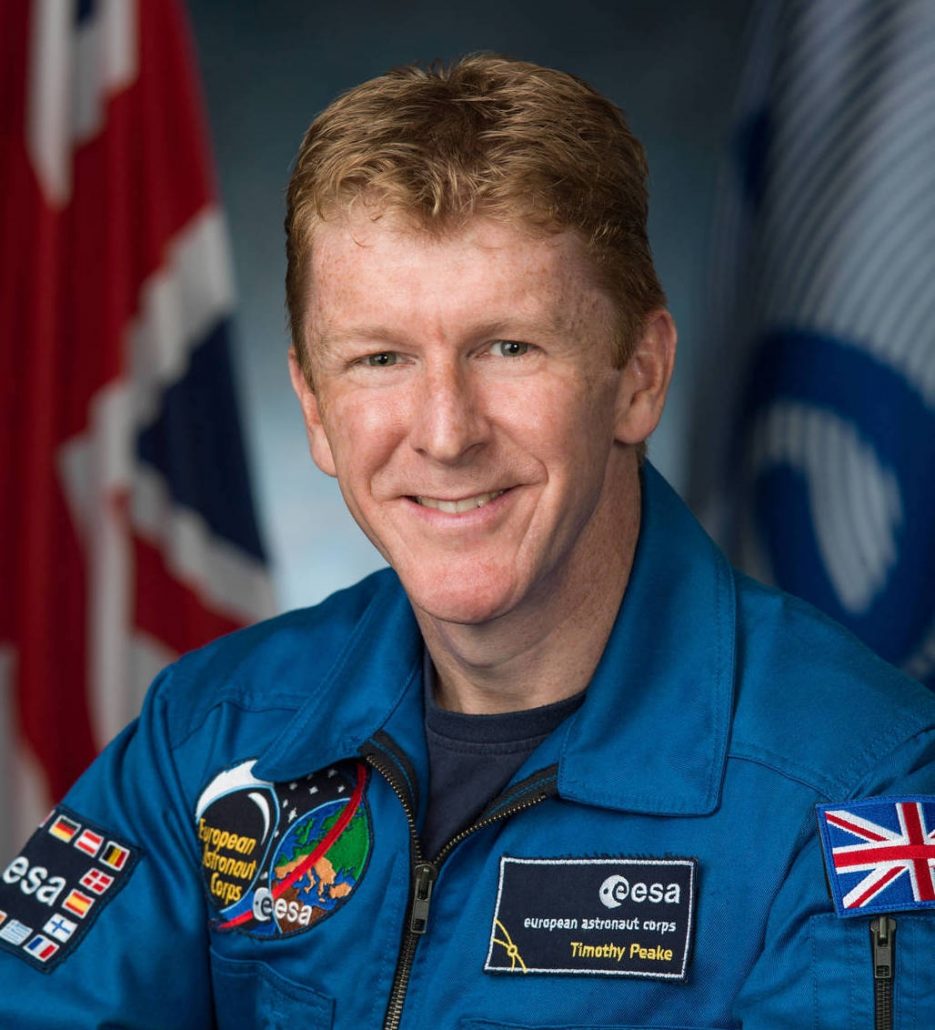
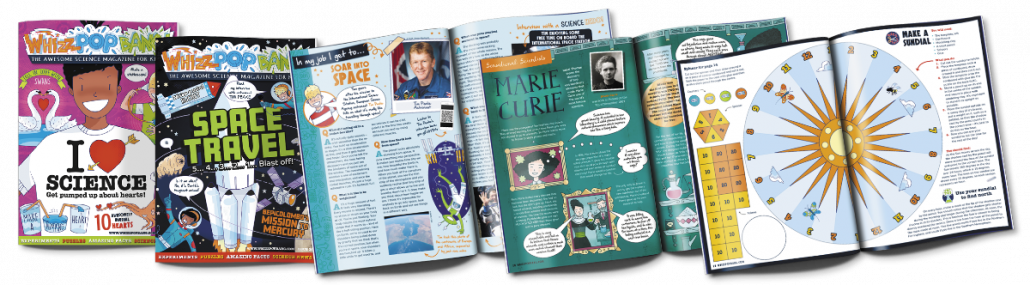
Tim Peake spent 186 days on the International Space Station between 15 December 2015 and 18 June 2016 and has shared some of his amazing experiences with Whizz Pop Bang magazine. We chatted to him about what it’s like to live in space!
European Space Agency astronaut, Tim Peake.
How did you feel when you were preparing to go into space?
“I had so many feelings! On the one hand, there was a huge amount of excitement and adrenaline. The trip was a culmination of years of work and effort, so I was really looking forward to it. I was a little bit apprehensive as well – obviously there’s a rocket launch to go through, and then all eyes are on you. The eyes of the agency, the eyes of your crew mates, the eyes of the nation watching! There are times when you just have to step up to the plate and perform.
Catching a visiting cargo vehicle is a one-person job: it is your responsibility to connect an entire space station to an entire cargo vehicle, and nobody else can help with that. These tasks are very, very high-pressure!
I felt that pressure – as sports people do when they have to perform – when I went out on the space walk. So I was definitely apprehensive, but the majority of my feelings were excitement and adrenaline. Being up there on the space station is such a privilege and everyone supports you to try and be the best that you can be.”
What’s it like looking at Earth from space?
“I just loved looking down at Kamchatka on the east coast of Russia, for example, and seeing a volcano smoking away. I’d think, ‘Nobody but me knows that volcano is erupting,’ because there literally are no humans within 2000 square miles of that location. It’s just wonderful that you can visualise the entire planet having been around it about 3000 times.
There’s nowhere on Earth that I don’t know now. Although clearly, I haven’t visited every country, I’ve got a different perspective of the planet.
It’s very serene in space. It’s a beautiful environment to be in; weightlessness, to be floating, to be looking down, just gracefully passing over the Earth without any noise, no vibration. It’s a beautiful, beautiful feeling.”
Did you look out for aliens!?
“Absolutely! The funny thing about looking out away from Earth is that in the daytime, you just see the blackness of space. It’s a very strange black – the blackest black you’ll ever see. Here on Earth we never really see black like this, because there’s always ambient light around.
In space – wow! You feel like you’re falling into the void when you look out at the blackness of space. And of course, there are no stars because the Sun is so bright that it blinds out the light of the other stars. You can only see this black abyss.
At night, when we are in the Earth’s shadow, all the stars come out. It’s beautiful to look the other direction: you can see 100 billion stars making up the Milky Way with no light pollution. The interesting thing is, you can’t see other satellites which you can see clearly from Earth – I look up at the night sky here, and I’m always seeing satellites going overhead. But in space, because we’re travelling so fast, it’s very, very hard to see another satellite that’s also travelling very fast with the naked eye. So we don’t see lights coming towards us in space.”
What’s bedtime like in space?
“Sleeping in weightlessness is lovely once you get used to it. It’s a bit tough to begin with, because your body doesn’t know to go to sleep. Here on Earth, every day of our lives we lie down at bedtime, rest our heads on pillows, and these actions are such strong triggers to make us fall asleep. When you don’t have those triggers, you float around all day, you float into your crew quarter, you zip up a sleeping bag, you can switch off the lights, you can put in some earplugs in but your body says, ‘What now?’ Once you get used to it and your body can fall asleep, wow, it’s a lovely sleep. There are no pressure points, no tossing and turning, no restlessness and you wake up completely relaxed.
We only need six hours’ sleep maximum on the space station because the quality of sleep is so good.
I used to like to strap my sleeping bag loosely using tie wraps, just enough to allow me to float around a little bit – not so much that I’d bang my head on the roof, but enough to enjoy that floating experience.”
How do you eat on the ISS?
“You get very unpopular with your crew mates if you open a packet of crisps or something like that!
Crumbs go everywhere, even in people’s eyes, all week long – so we try and avoid that.
I had bags of pistachio nuts, already shelled, but they were a treat that were sent up in care packages every now and again. You just had to be careful about how you eat that kind of thing. But yes, you don’t really want to have crumbs in the space station!”
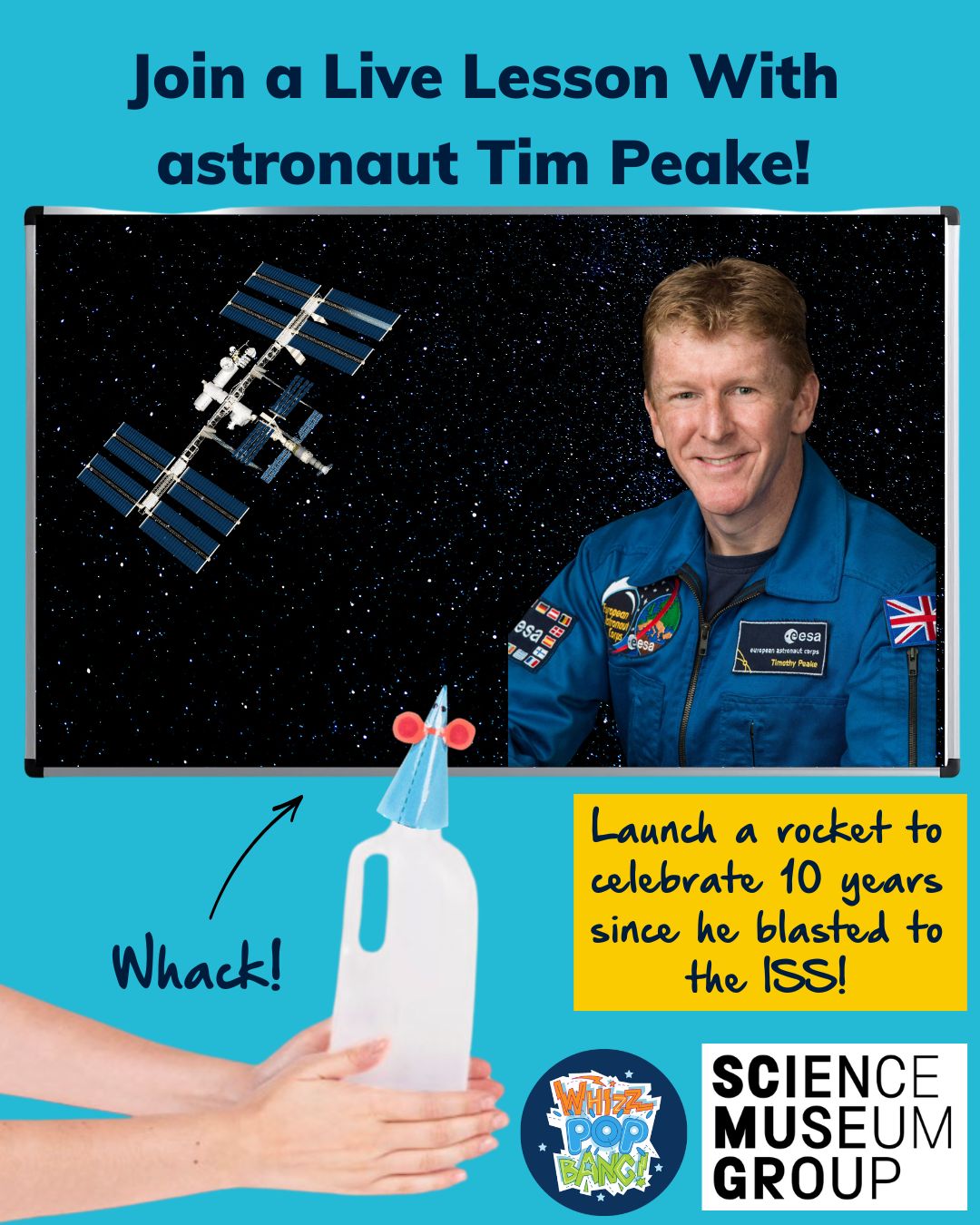
It’s 10 years since astronaut Tim Peake’s mission to the International Space Station launched…
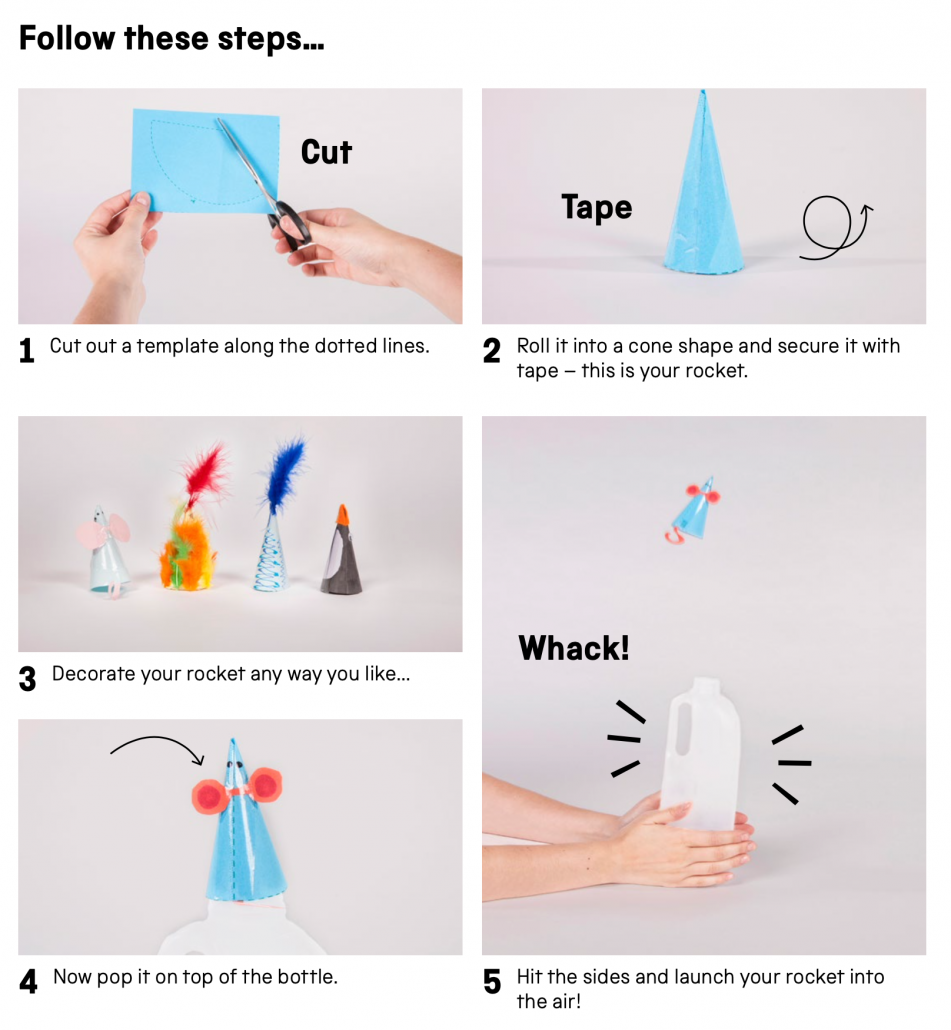
To celebrate, kids across the UK are invited to join in a lesson with Tim. Broadcast live from the Science Museum at 10:20 am on the 15th of December, it will feature a mass paper rocket launch to mark the exact moment (at 11:03) that Tim blasted off into space a decade ago! Ask your teacher or parent to sign up here.
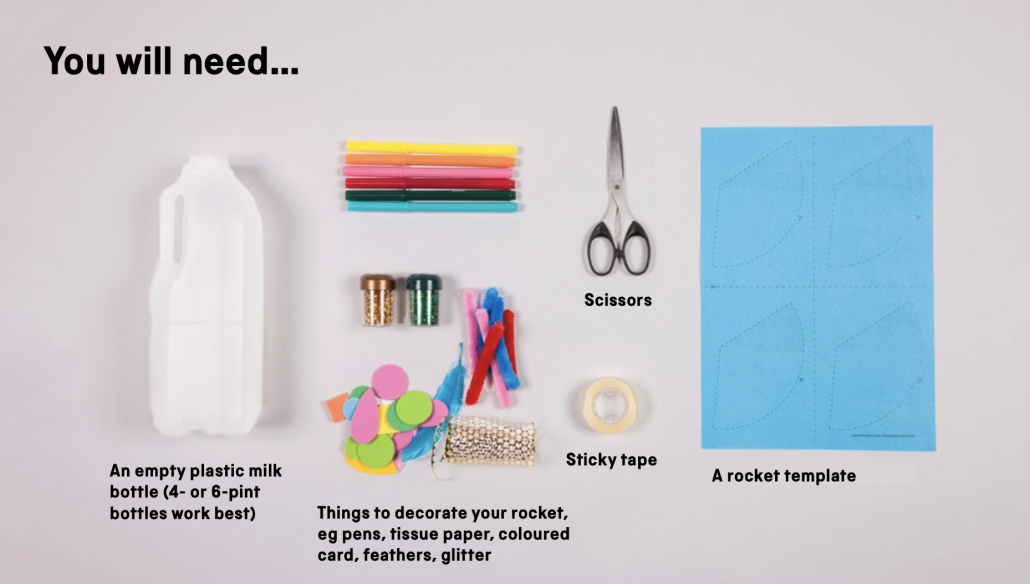
or read the information and instructions here, then download the templates only afterwards.
Overview for adults
There’s an old saying: what goes up must come down. This activity is a perfect chance to challenge that idea, shooting a rocket high into the air by rapidly squashing a plastic bottle launcher. You’ll never get this rocket into space – but some real rockets do go fast enough to prove the saying wrong.
What’s the science?
The bottle used as the rocket launcher is not really empty: there is air inside it. Air is elastic (squashy), and when you compress it, it pushes back and the pressure inside increases. In the activity, the sudden increase in air pressure inside the bottle pushes hard on the bottom of the rocket, sending it flying high into the air. There are also two other forces acting on the rocket: air resistance and gravity. Air resistance always pushes in the opposite direction to the rocket’s movement, and its strength depends on the rocket’s shape and its speed. Gravity always pulls downwards, slowing the rocket’s climb but speeding up its descent.
Science in your world
Just as increasing the air pressure in the bottle sends the rocket flying, you use air pressure when you squeeze shampoo or ketchup from a plastic bottle. It’s not usually as exciting as watching the rocket shoot into the air in the activity… unless you’re having a food fight!
Did you know…?
In order to keep going straight upwards and never fall down again, a rocket must reach a speed called escape velocity, which is 11.2 kilometres per second.
Think and talk about…
• What makes your rocket fly? • What makes it come down again? • How do you think a real rocket works?
Investigate…
• How could you make your rocket travel higher? • How could you make your rocket go more slowly? • Can you make your rocket spin as it falls?
Science in your world
Just as increasing the air pressure in the bottle sends the rocket flying, you use air pressure when you squeeze shampoo or ketchup from a plastic bottle.
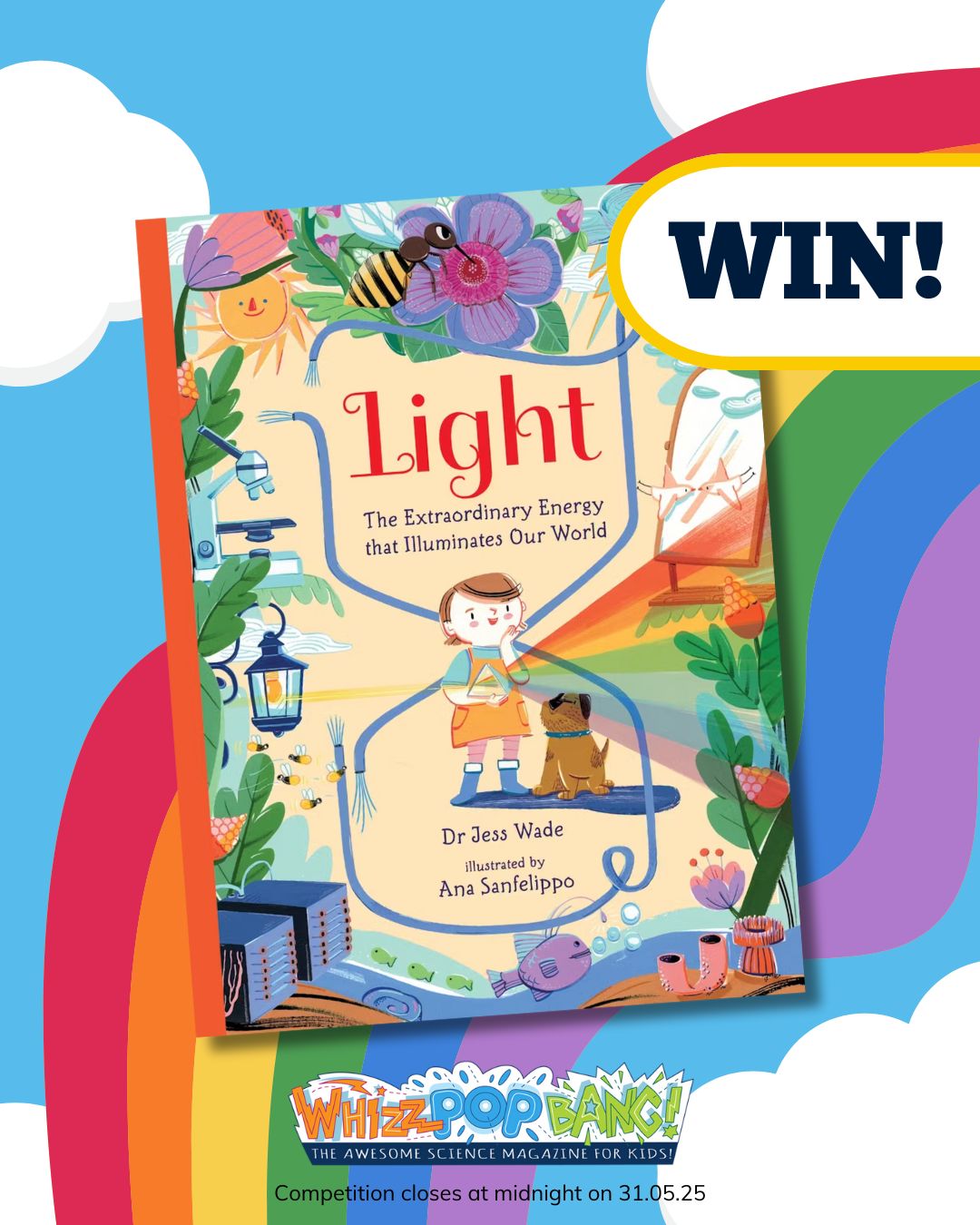
Have you ever watched the sky at night? Even when it looks very dark outside, the night sky is never completely black. There is always LIGHT on our planet.
Learn all about the mind-bending science of light in this fascinating non-fiction picture book written by physicist Dr Jess Wade and illustrated by Ana Sanfelippo. Discover the inner workings of rainbows and so much more in this beautiful book – it’s an essential addition to any budding scientists’ bookshelf.
We have four copies of Light by Dr Jess Wade to give away! To be in with a chance of winning, answer this question in the comments:
What is the scientific name for Earth’s moon? a. Moon b. Europa c. Titan
Competition closes at midnight on 31st May 2025. We reserve the right to substitute any prize with another of equal or greater value if circumstances beyond our control make it necessary to do so. For full terms and conditions, see https://www.whizzpopbang.com/terms-and-conditions/
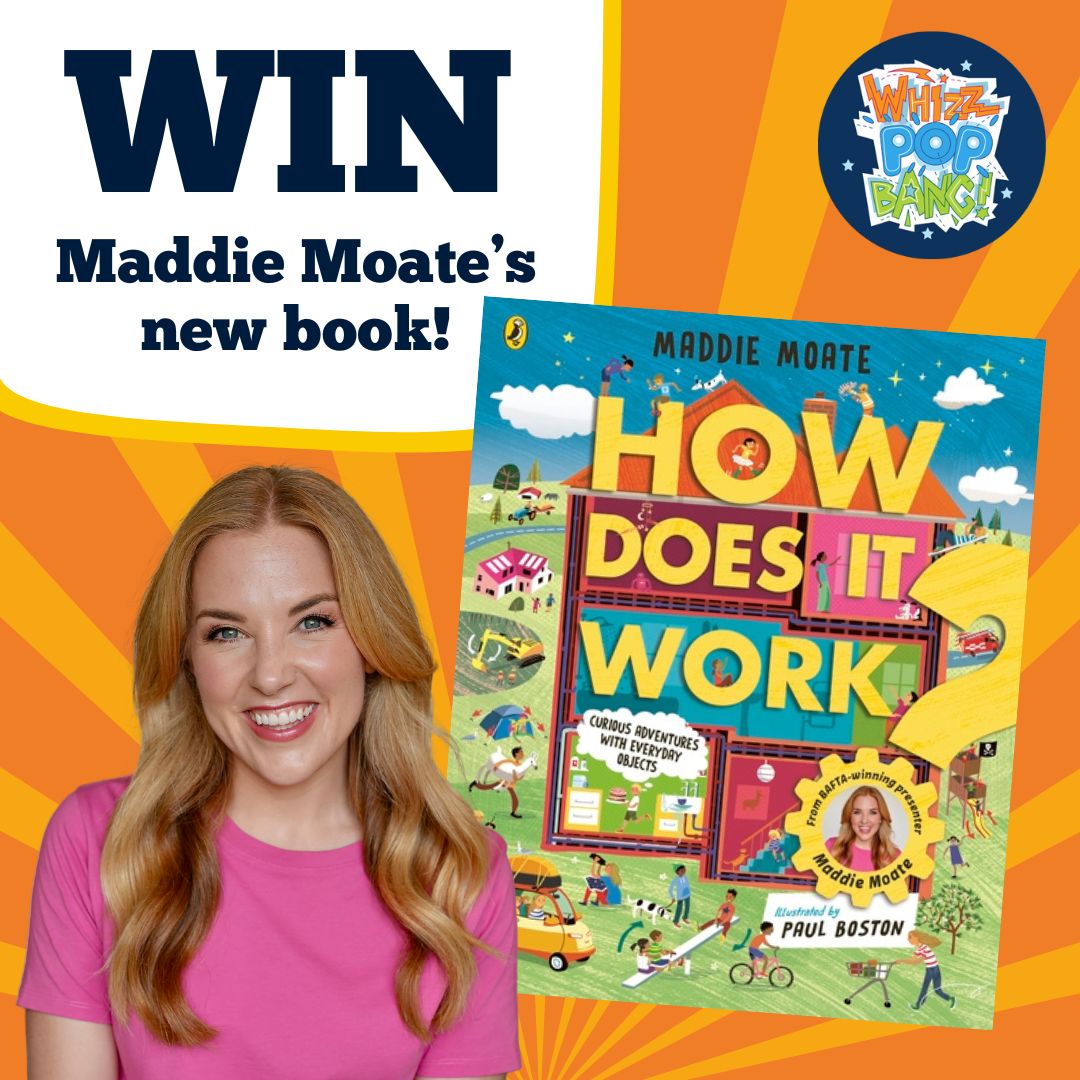
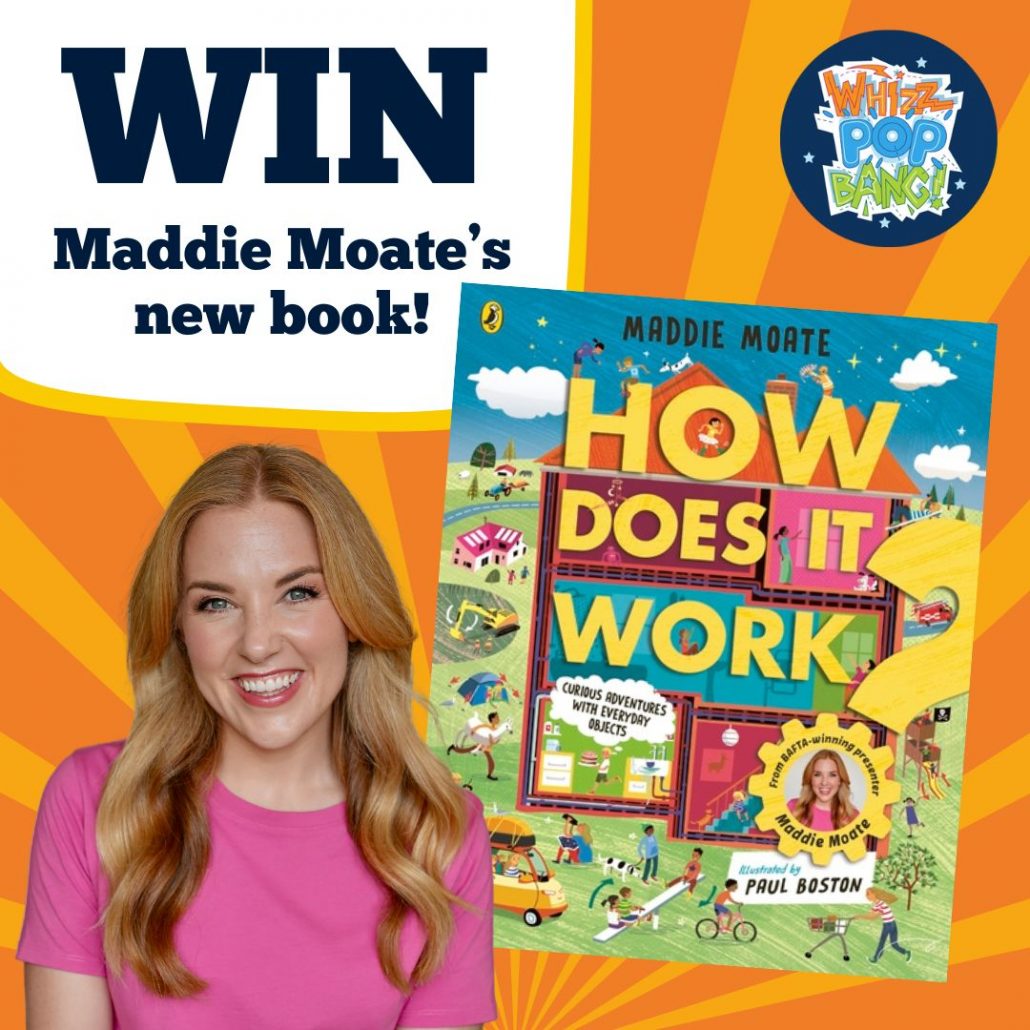
Set off on a curious adventure with everyday objects in science presenter, Maddie Moate’s brand-new book! In How Does It Work, you can find out about all sorts of everyday objects and machines – from microwaves to smart speakers, playground roundabouts to supermarket checkouts!
If you’re a Maddie mega-fan, you need to have a look in Whizz Pop Bang: The Sugar Lab. She told us all about what it’s like to share her love of science on TV, YouTube and on stage.
We’ve got two copies of How Does It Work by Maddie Moate to give away to two lucky Whizz Pop Bang fans! To be in with a chance of winning, simply answer this question in the comments:
What does an apiarist look after? A) Apes B) Bees C) Cats
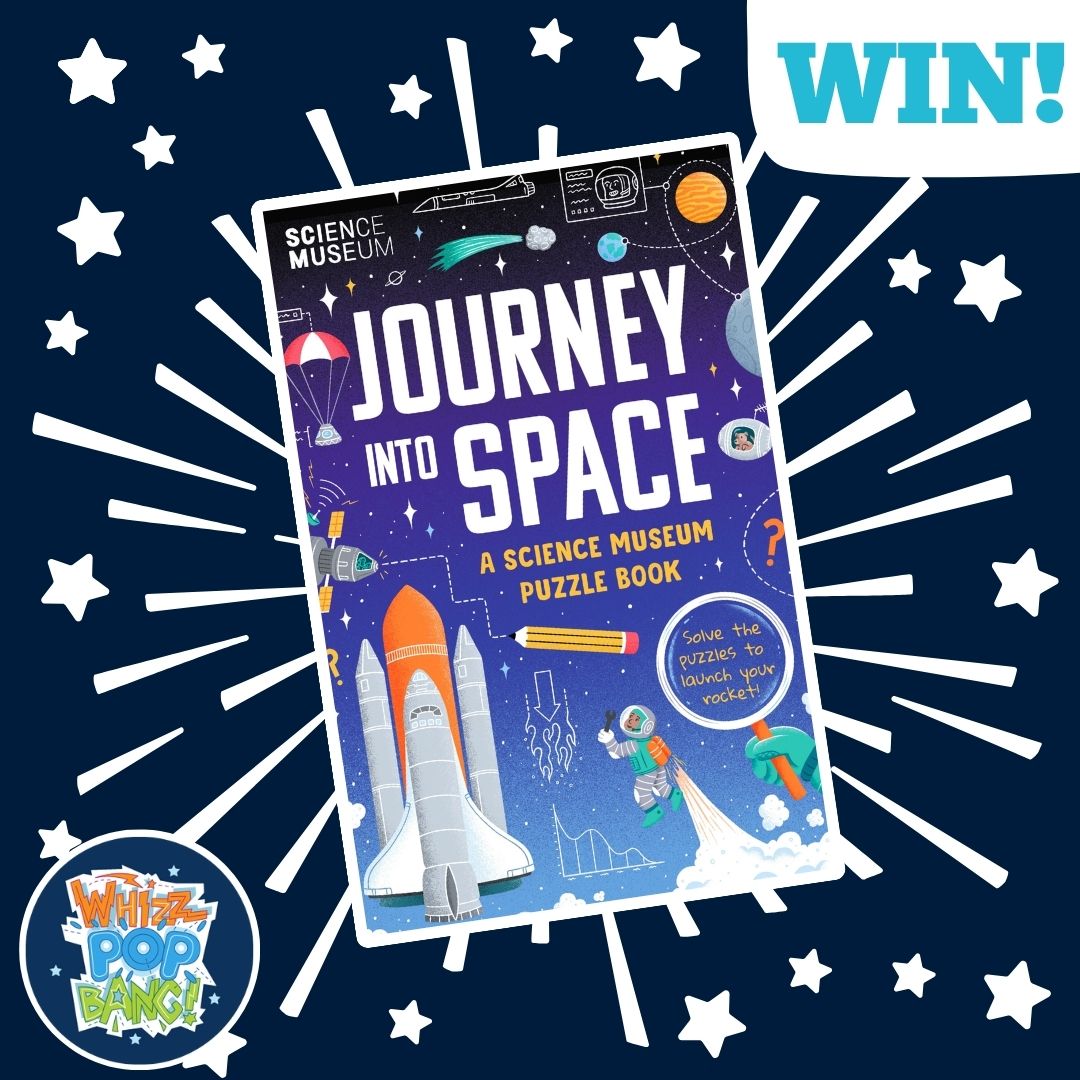
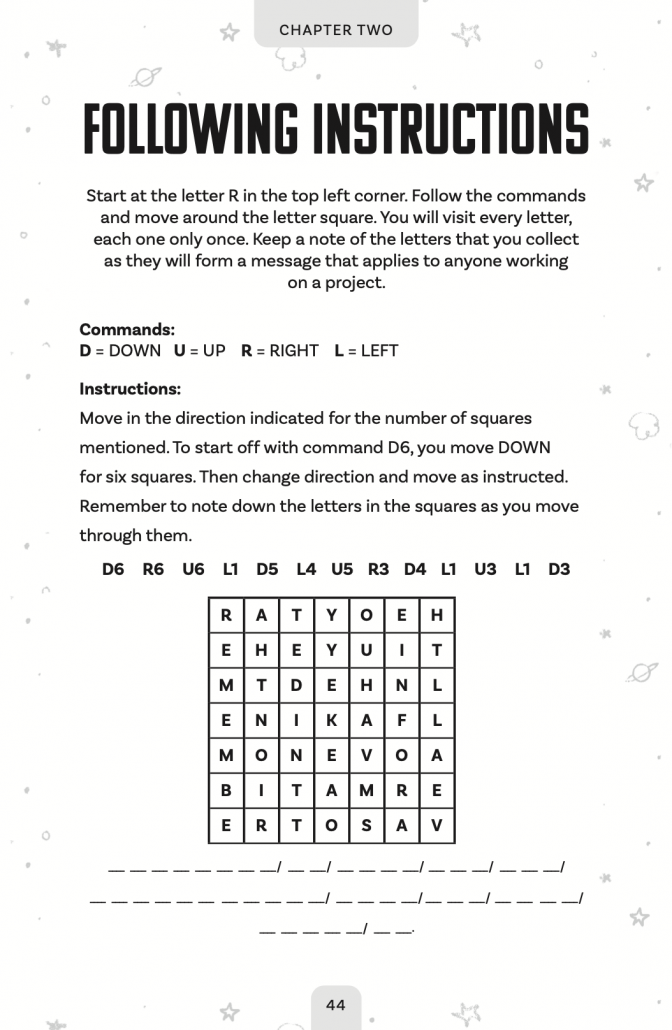
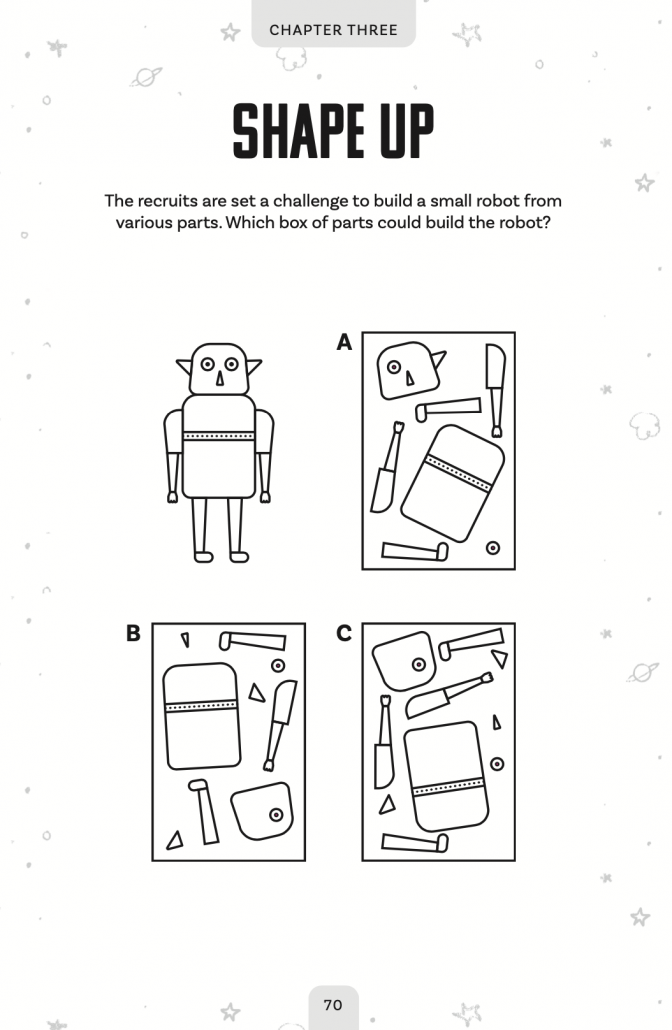
Here’s your chance to win one of ten copies of The Science Museum Puzzle Book: Journey Into Space. Keep reading to tackle some of the intergalactic puzzles featured inside!
Plan a mission, train to be an astronaut, launch a rocket and discover what it’s like to live in space as you tackle the teasers in this brilliant puzzle book!
As well as over 100 space-themed puzzles, this book is stuffed with essential space facts and profiles of significant people and moments linked to space exploration.
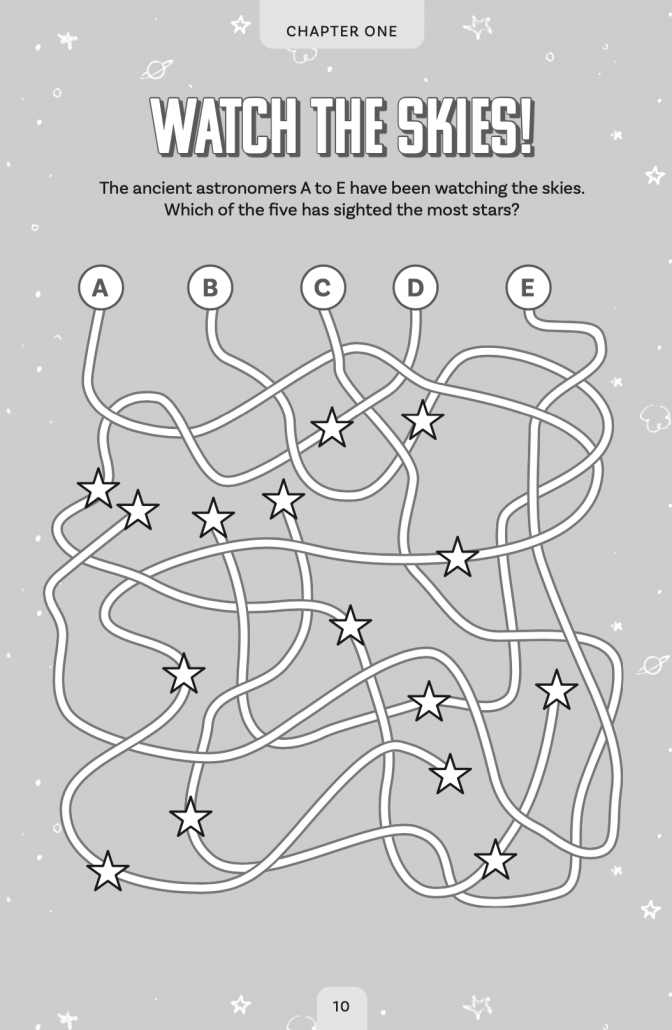
Put your brain to the test with these puzzles, taken from Journey Into Space: A Science Museum Puzzle Book. You’ll find the competition below these puzzles.
We’ve got ten copies of this book to give away! Simply answer the question in the comments to be in with a chance.
Which person has travelled into space?
A Helen Sharman B Galileo Galilei C Arthur C. Clarke
The Science Museum Puzzle Book: Journey Into Space by The Science Museum is published by Seven Dials available in trade paperback and eBook on 7th November 2024. RRP £14.99.
It wasn’t just people on Earth who were glued to the Paris 2024 Olympics and Paralympics – astronauts on the ISS were inspired by the athletes, too! They added elements of Olympic sports to their training programmes (and it looks like they had a lot of fun doing it, too!)
Watch the astronauts who were inspired by the Olympics here!
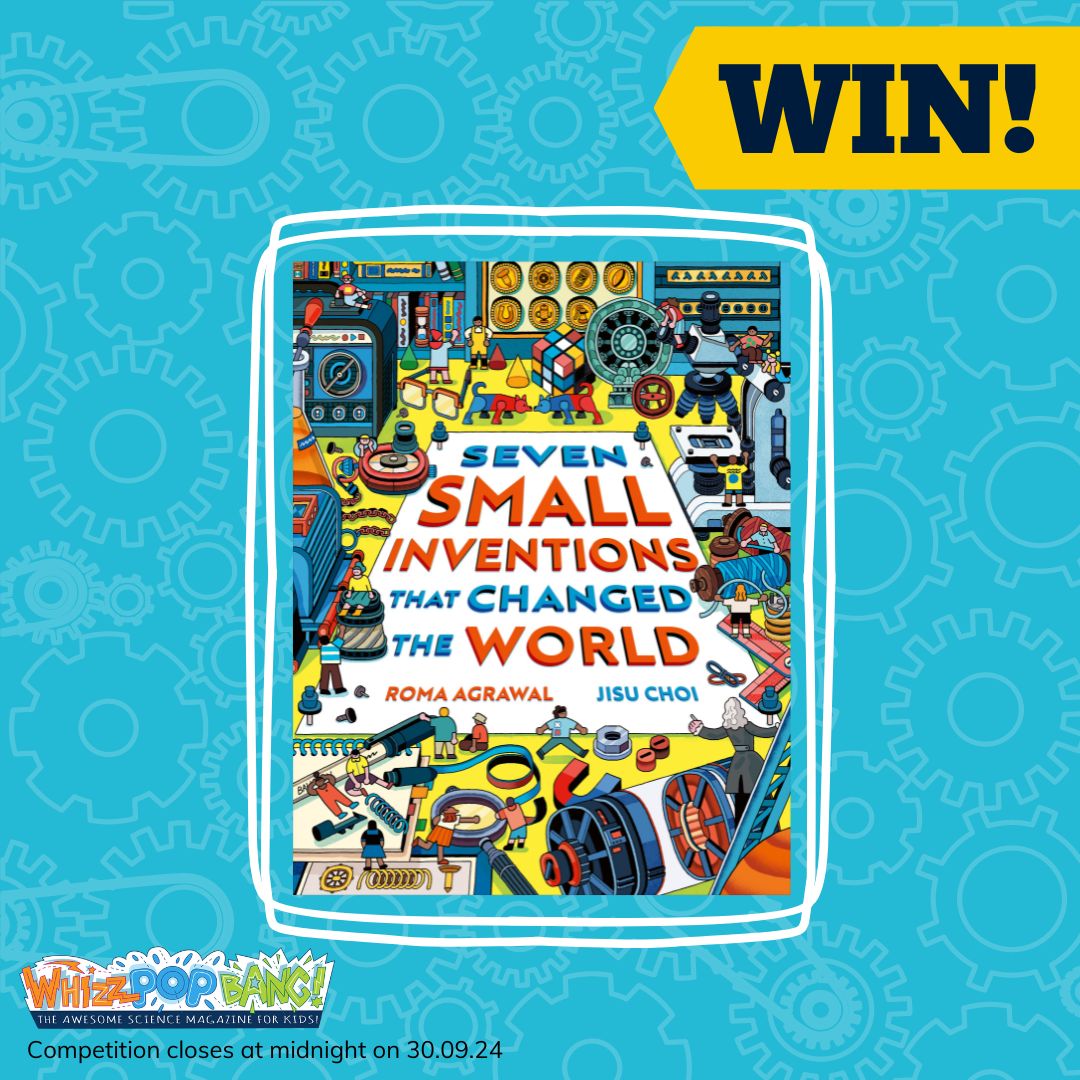
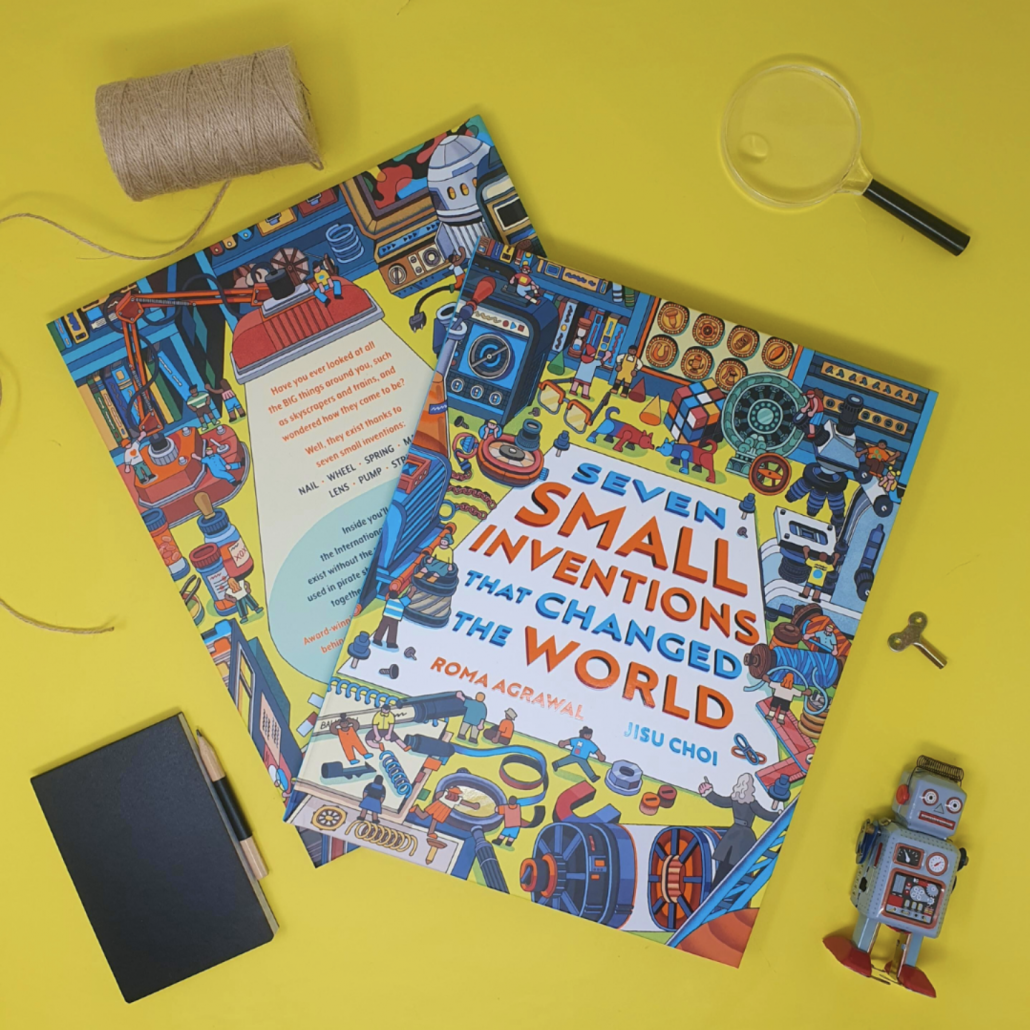
Do you know a small scientist who is always coming up with new inventions? They are bound to love this new book which proves that small inventions can make a huge difference to our world!
We have five copies ofSmall Inventions That Changed The World by Roma Agrawak and Jisu Choi to give away! Thank you to Hachette Children’s Group for providing this epic prize.
This book shines a spotlight on tiny change makers including the nail, the wheel and string. It’s hard to image how such humble objects can be significant, but this book explains how they were crucial to the development of advanced technology like spaceships and skyscrapers.
Small Inventions That Changed The Worldtakes readers on a spectacular and intriguing journey through centuries, from the Silk Road to the International Space Station.
We’ve got five copies of this stunning and inspiring book to give away! Simply answer the question in the comments to be in with a chance.
Which of the below is a type of engineering?
A Civet B Civil C Cirrus
Small Inventions That Changed The World by Roma Agrawal and Jisu Choi is published by Hachette Children’s Group and is available now. RRP £16.99.
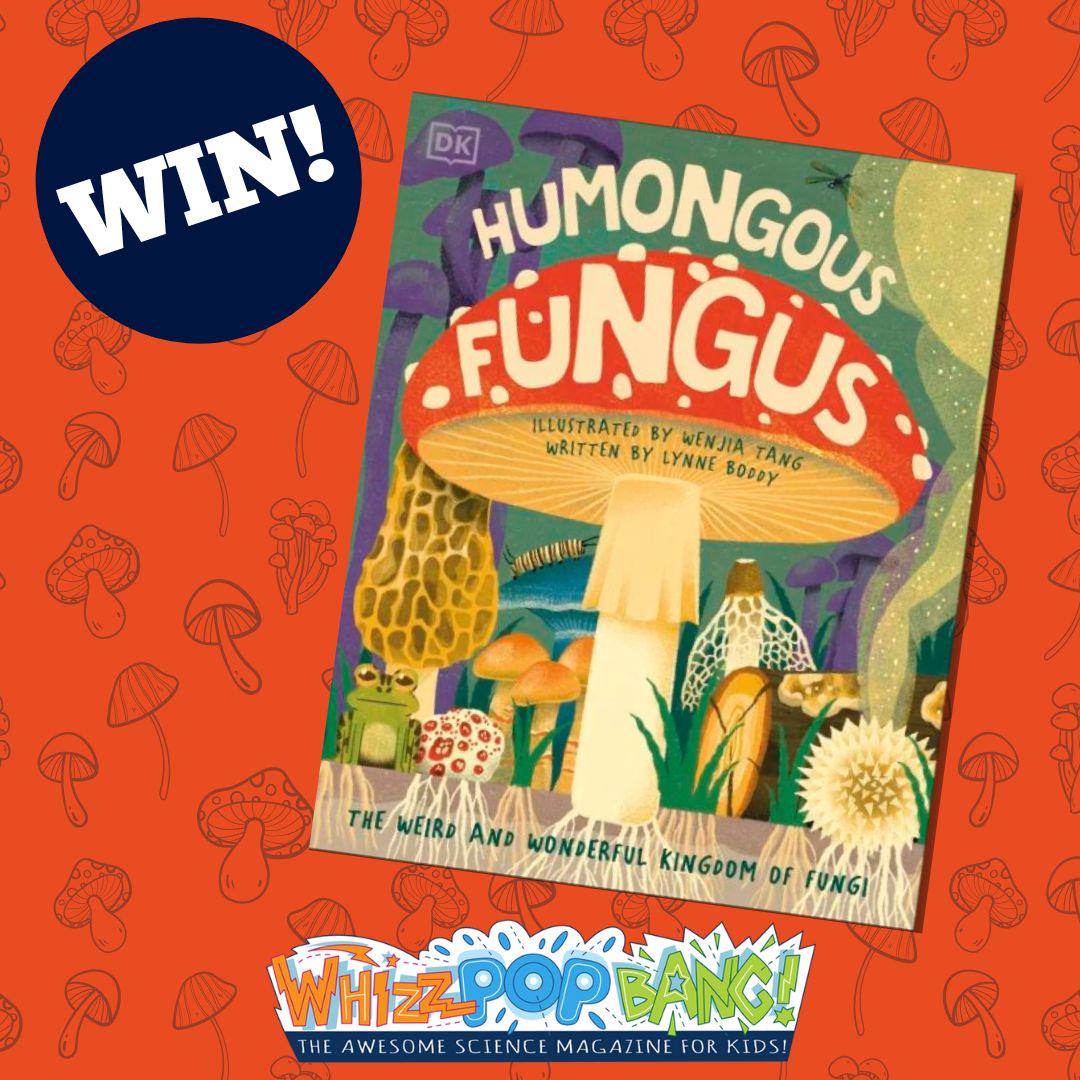
Professor Lynne Boddy is a woodland fungi expert at Cardiff University and she told us all about her amazing career in Whizz Pop Bang 99: Fantastic Fungi.
Lynne has written a beautiful book, Humungous Fungus, an exploration of all things fungi which will amaze young readers, and open their eyes to the fungi thriving all around them and we’ve got four copies to give away!
Simply answer this question in the comments for your chance to win a book.
Which one is a part of a mushroom? a) Gill b) Hill c) Spill
Good luck!
This competition closes at midnight on 31st October 2023 and is open for UK residents only. For full terms and conditions visit whizzpopbang.com/terms
Carl Sagan was an astronomer, planetary scientist, cosmologist, astrophysicist, professor and science communicator who was fascinated by extra-terrestrial life. You can read about him in Whizz Pop Bang 98: Aliens!
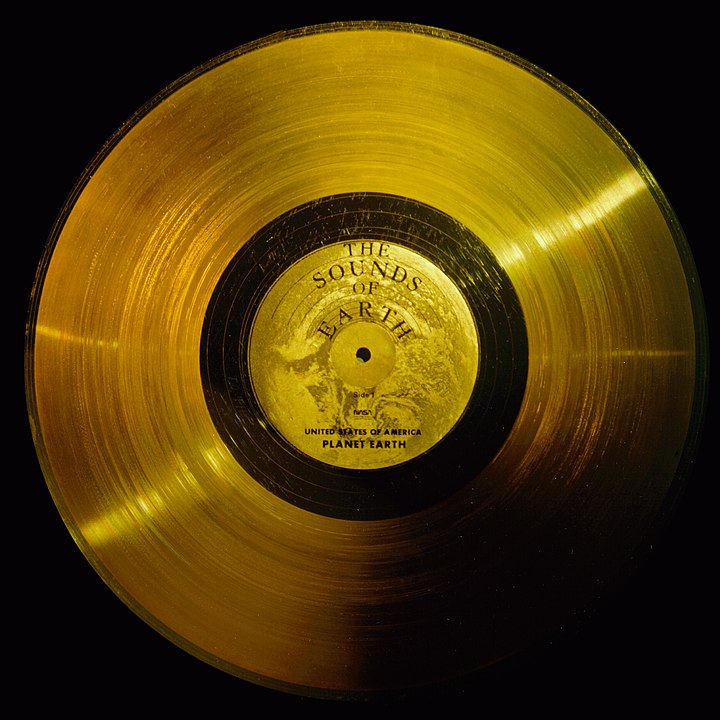
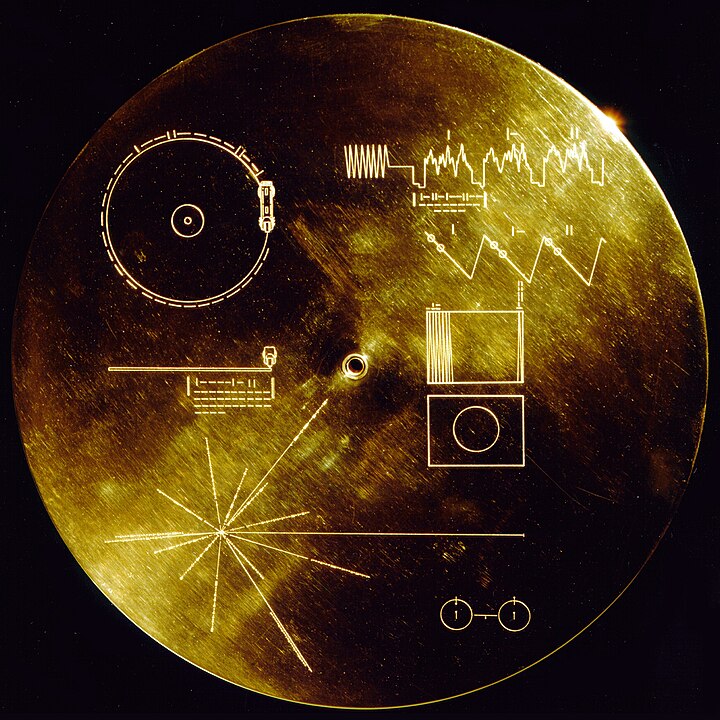
Carl was involved in American space exploration since it began in the 1950s. He put together messages that were sent into outer space in the 1970s on the Voyager Golden Record.
By NASA – Great Images in NASA Description, Public Domain, https://commons.wikimedia.org/w/index.php?curid=6455682
Copies of the Golden Record were carried by Voyager I and Voyager II. They contained:
Messages in 55 ancient and modern languages
Sounds from Earth
Images of humans and Earth
By NASA/JPL – The Sounds of Earth Record Cover, Public Domain, https://commons.wikimedia.org/w/index.php?curid=137443
The discs contained diagrams that explain where Earth is and how to play the record. Scientists spent a long time working out how to communicate these messages to aliens!
English (this was recorded by Nick Sagan, Carl’s son, when he was six!)Akkadian (an ancient language used in Mesopotamia about 6,000 years ago) “May all be very well.”Arabic “Greetings to our friends in the stars. We wish that we will meet you someday.”Cantonese “Hi. How are you? Wish you peace, health and happiness.”Hebrew “Peace”Korean “How are you?”Nguni “We greet you, great ones. We wish you longevity”Polish “Welcome, creatures from beyond the outer world.”Rajastani “Hello to everyone. We are happy here and you be happy there.”Spanish “Hello and greetings to all.”Welsh “Good health to you now and forever.”
Music
Bach, Brandenburg Concerto No. 2 in F. First Movement, Munich Bach Orchestra, Karl Richter, conductor
New Guinea, men’s house song, recorded by Robert MacLennan
Mexico, “El Cascabel,” performed by Lorenzo Barcelata and the Mariachi México
“Johnny B. Goode,” written and performed by Chuck Berry
Georgian S.S.R., chorus, “Tchakrulo” collected by Radio Moscow
Peru, wedding song, recorded by John Cohen
Images
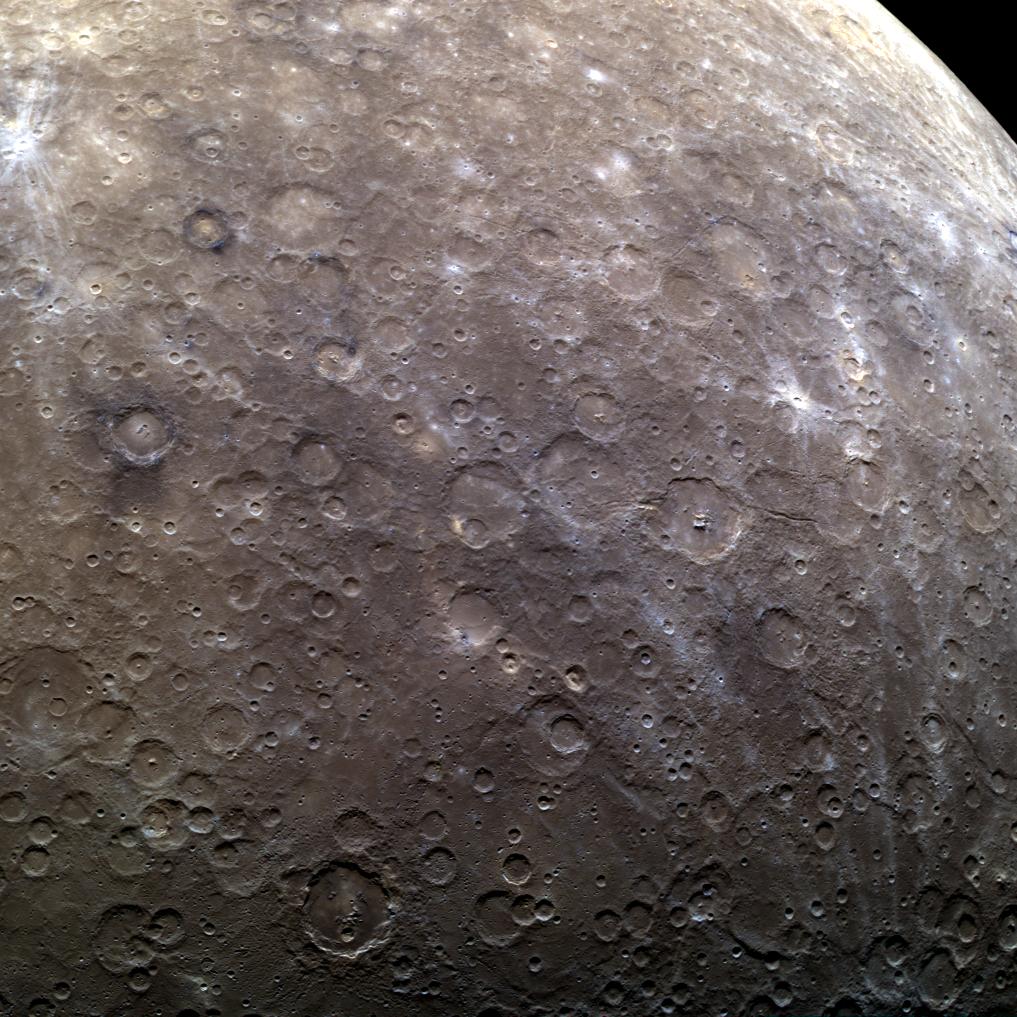
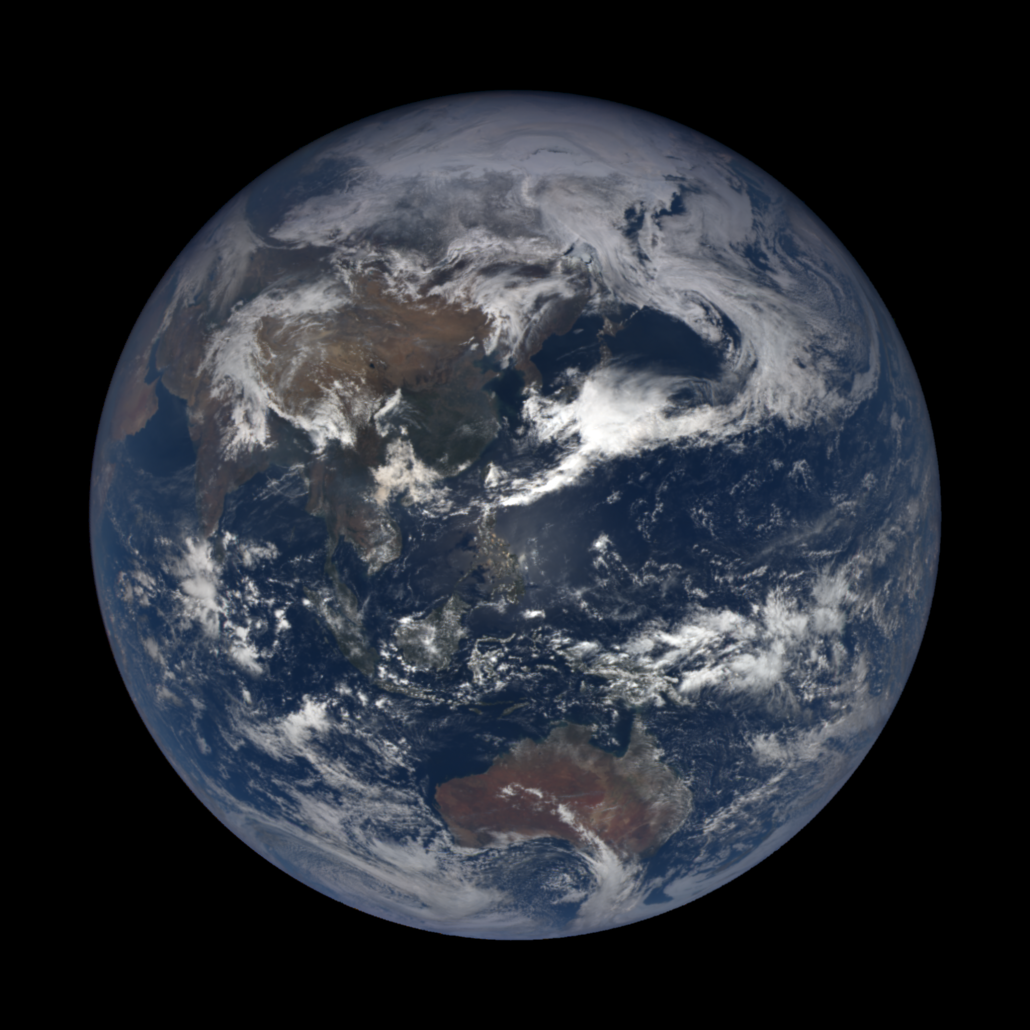
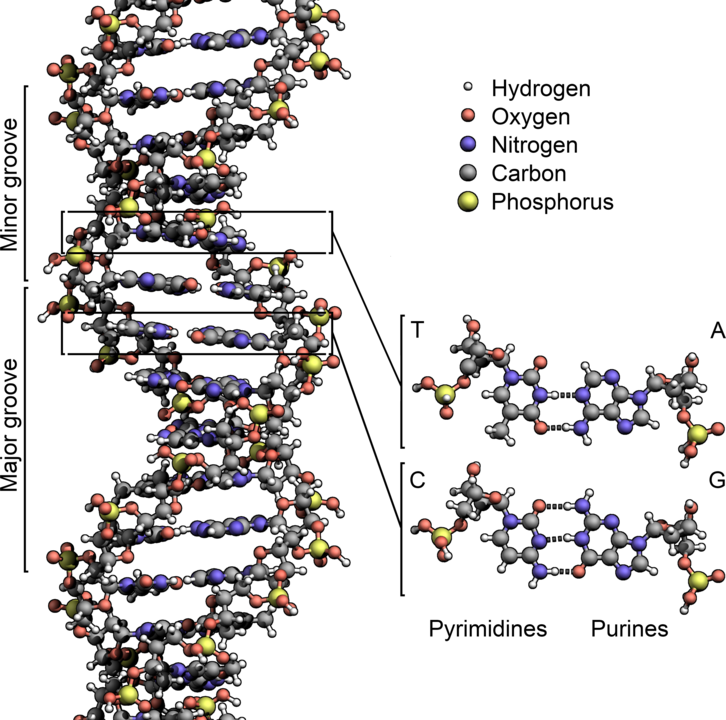
We can’t include the photographs and diagrams included on the Golden Record because of copyright but you can see some of them here. These show some of the same subjects that featured on it.
If you want to find out more about fantastic scientists like Carl Sagan, subscribe to Whizz Pop Bang, the awesomely amazing science magazine for kids! Learn about inspirational scientists of the past and present every issue – our readers are the in credible scientists of the future!