Easter science experiments

With Easter just around the corner, we’ve put on our thinking bonnets and come up with the best Easter science experiments, bouncing bunny crafts and fun egg activities to share with you. These simple, exciting science experiments are a brilliant way to keep young brains whirring all year round!

1. Take Whizz Pop Bang’s Awesomely Amazing Science Quiz!

Round up the family, find some pens and paper and pop open a packet of chocolate eggs – it’s time to get quizz-ical with this Easter quiz! Suitable for children and adults alike, this quiz will get you wondering about the world’s largest eggs, rabbit anatomy, the science of chocolate and so much more.

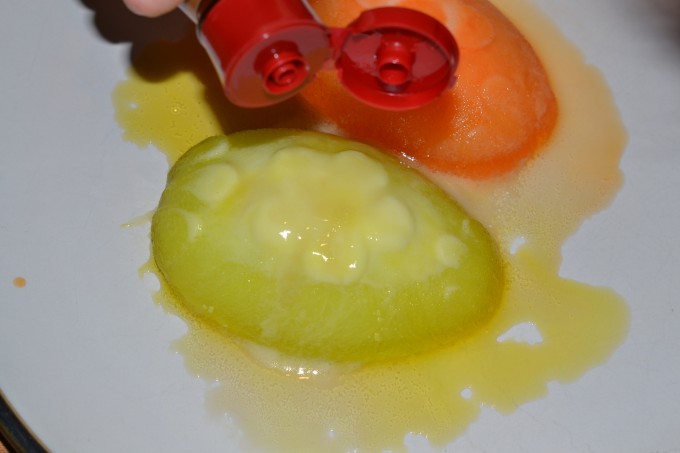
2. Freeze fizzy eggs

Image: Science Sparks

This kitchen chemistry activity uses bicarbonate of soda (called baking soda on this site) and vinegar to create a fizzing reaction that is guaranteed to excite young scientists. Pop a small toy into an egg mould, fill with coloured water and a little bicarbonate of soda then put it in the freezer. Once frozen, use warm water and vinegar to set the toy free!
Head this way for the full instructions.

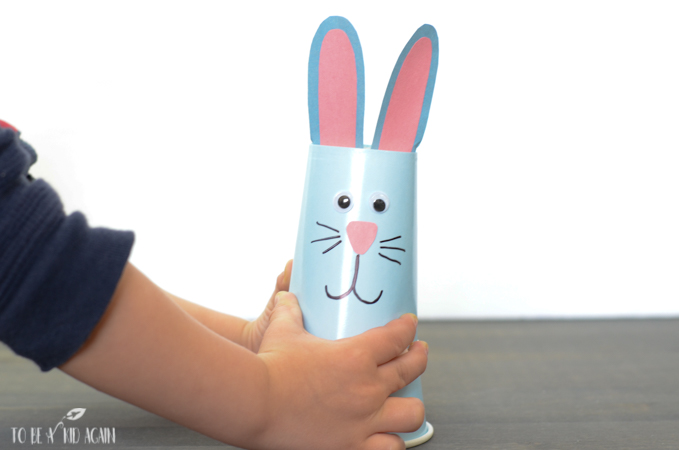
3. Craft a jumping bunny

Image: To Be a Kid Again

Turn two paper ups, an elastic band and some craft supplies into an Easter bunny that really bounces. Explore elasticity and forces with this fun Easter science activity!
Find out everything you need to know here.

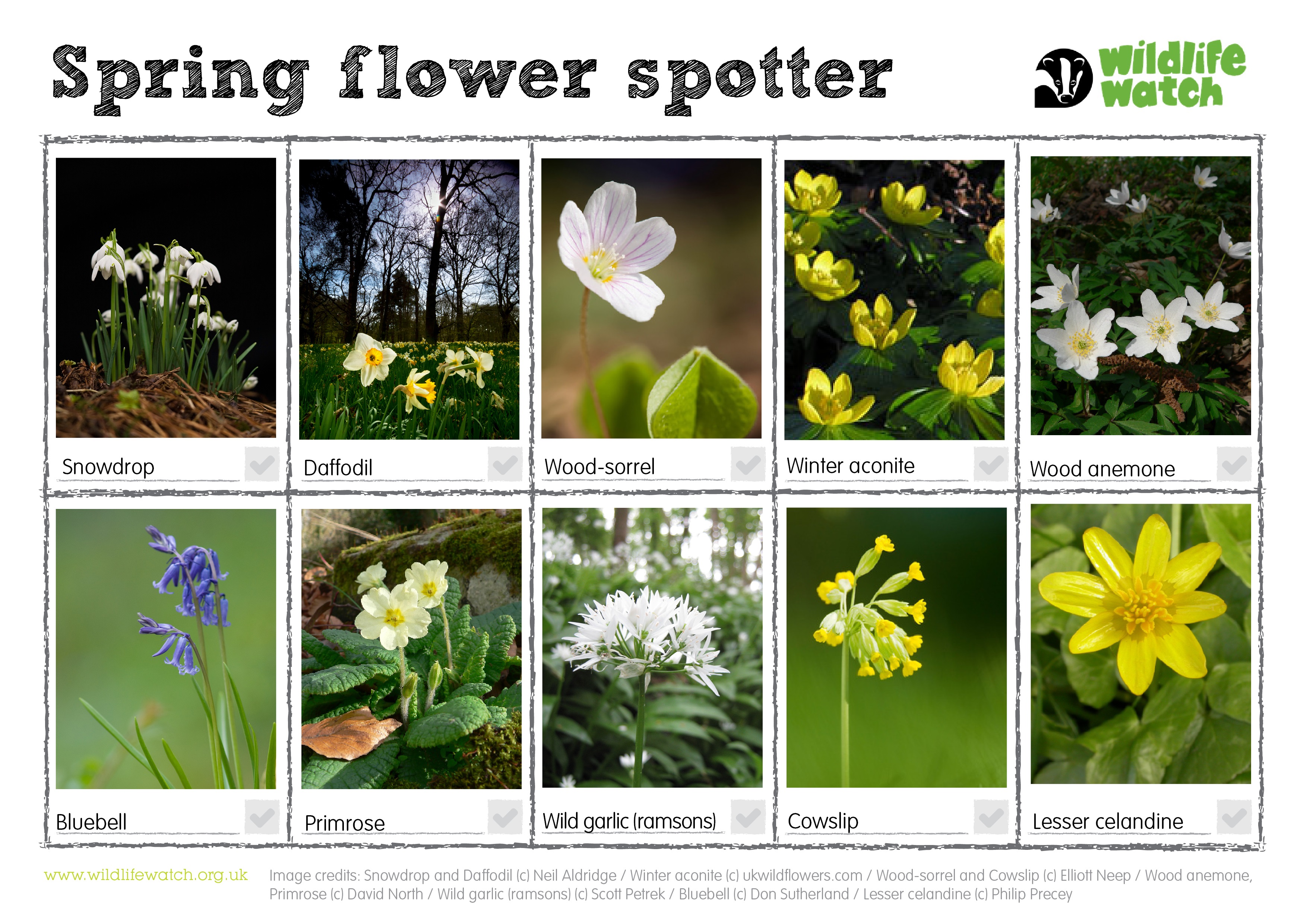
4. Go on a spring flower hunt

Image: Wildlife Watch

Do you know your celandine from your aconite? This printable treasure hunt is the perfect Easter holiday activity for all ages.
Find this nature quiz here.

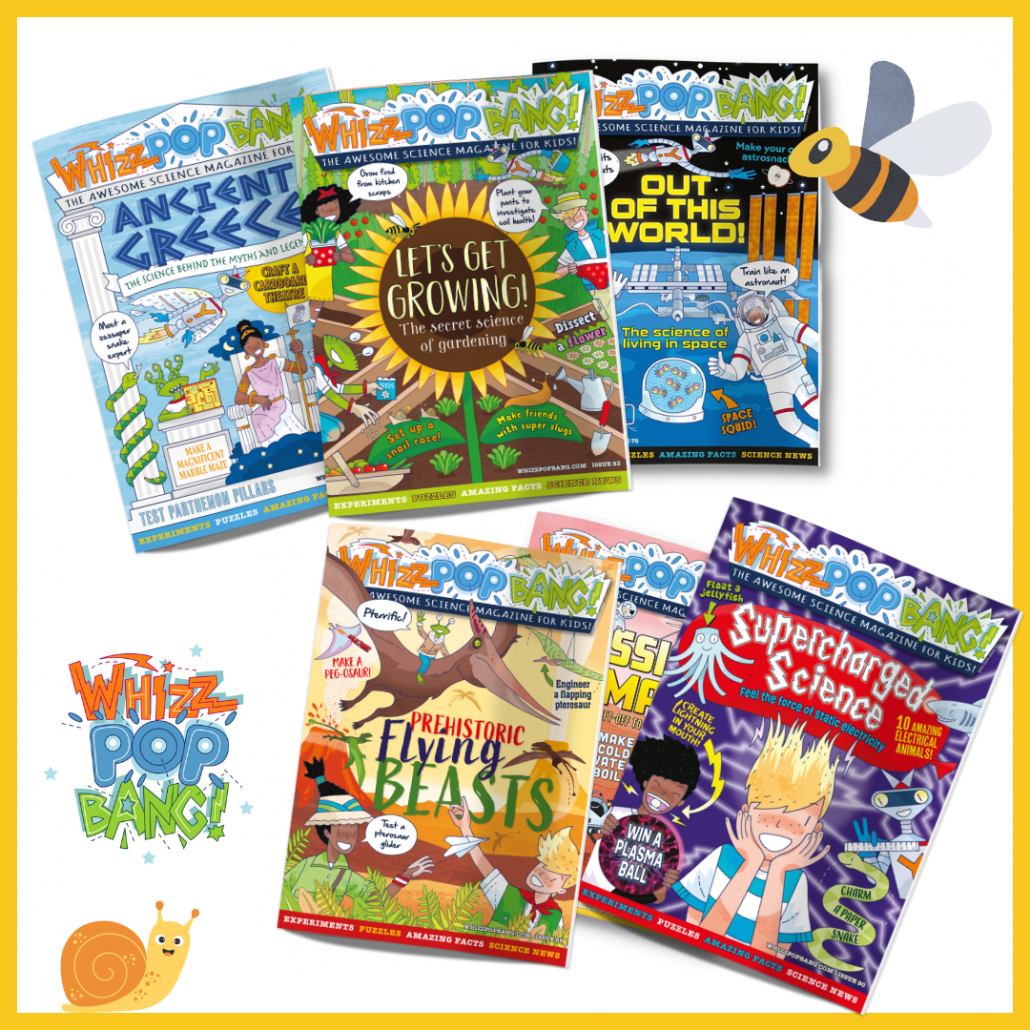
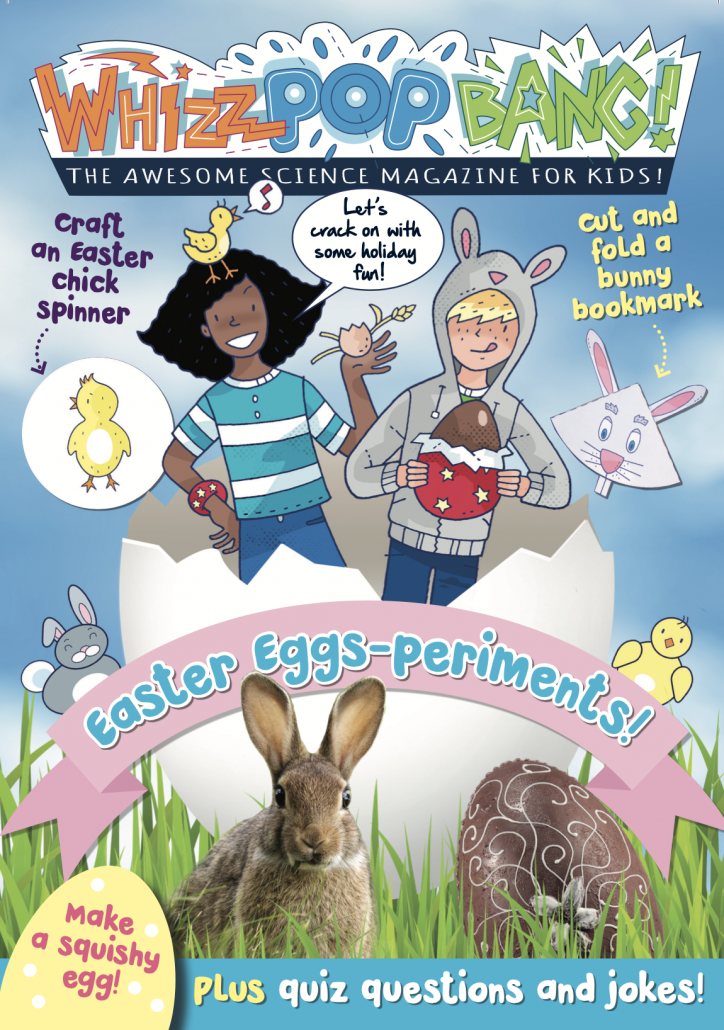
5. Pick up Whizz Pop Bang’s Easter science booklet – for FREE!

Whizz Pop Bang’s Easter Eggs-periments booklet is packed with brilliant science activities, including…
🐣 Make dragon eggs
🐣 Grow egg geodes
🐣 Make a bunny bookmark
🐣 Puzzles
🐣 Crafts
🐣 Quiz questions
🐣 Jokes
And more! Best of all? It’s FREE!*

Buy anything from our online shop and we’ll send you a 
FREE Easter Eggs-periments booklet!*

To claim your free booklet, simply use the code EASTER23 when you purchase any product from the Whizz Pop Bang online shop.*

* Offer valid until midnight on 01.04.23 on Whizz Pop Bang products purchased using the coupon code EASTER23. Not valid in conjunction with any other offer. Orders will be dispatched by Royal Mail within two working days. We recommend ordering by 28.03.23 for delivery in time for Easter but cannot be responsible for any delays to delivery.

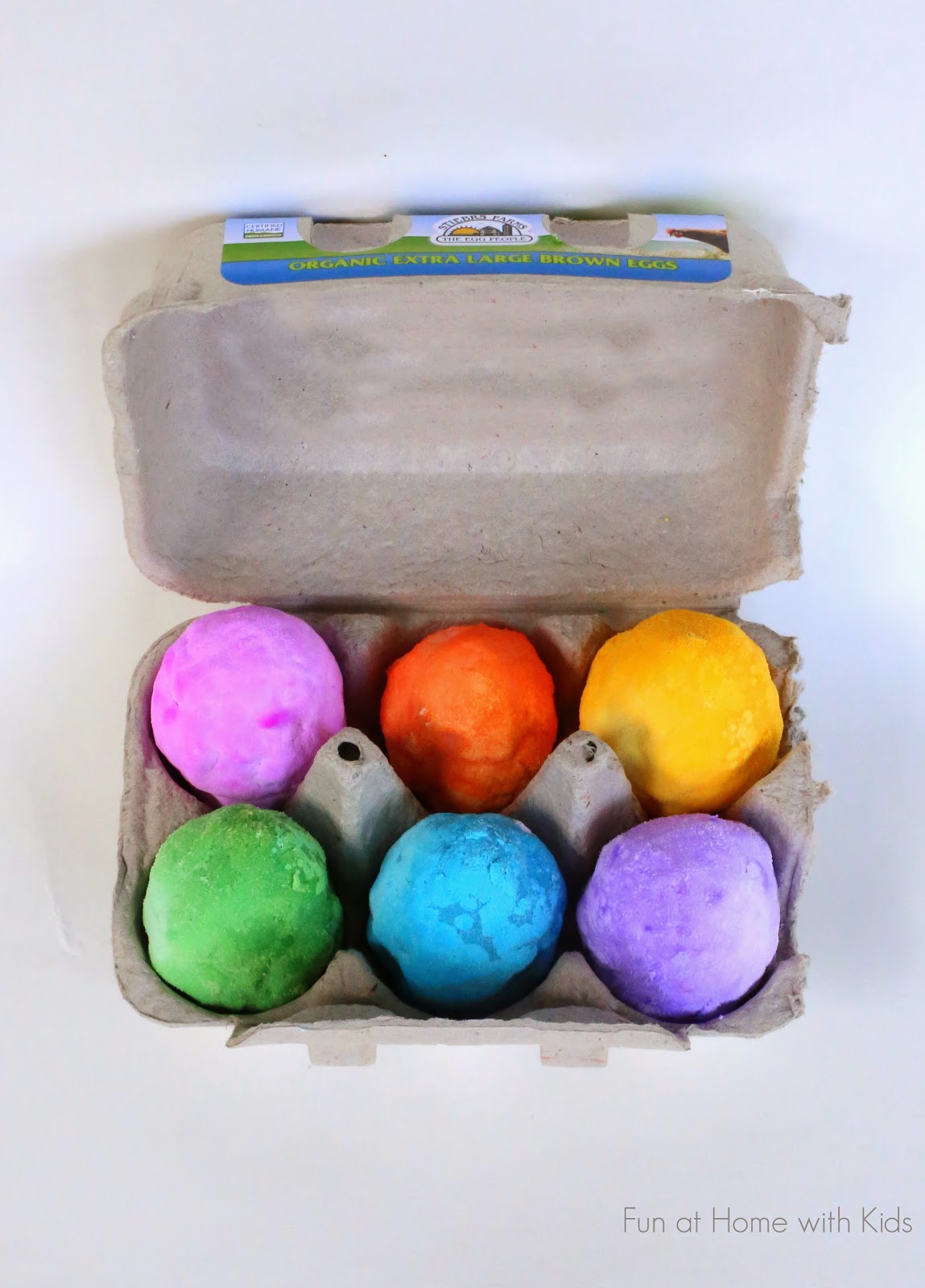
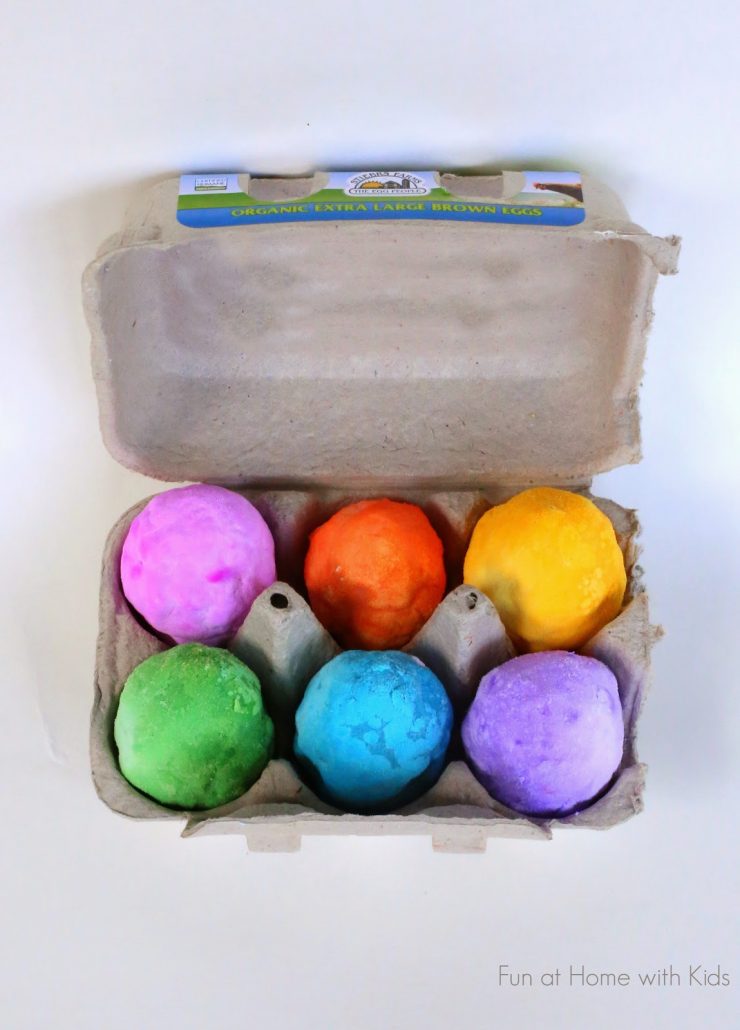
6. Make foaming Easter eggs

Image: Fun At Home With Kids

We can’t get enough of fizzy eggs at Easter! This blog post includes a brilliant foaming variation using washing up liquid.
Find out how to give it a try here.

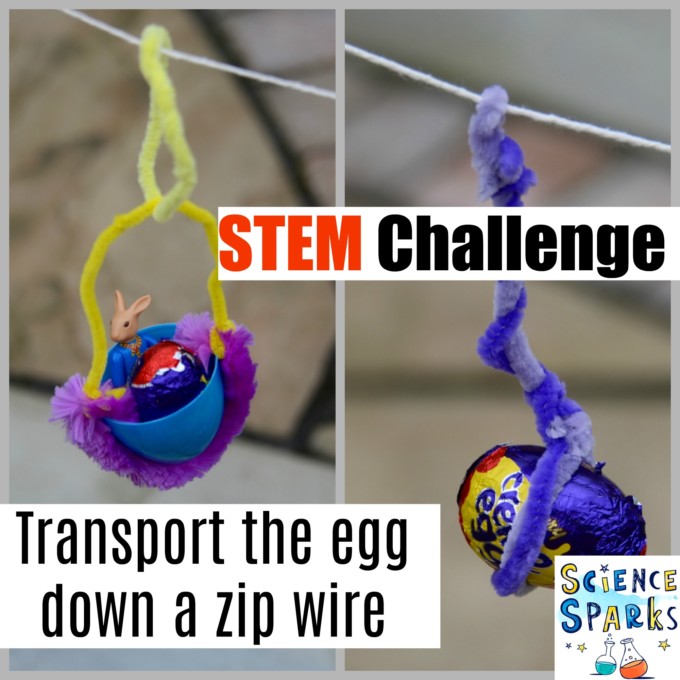
7. Take a seasonal STEM challenge

Image: Science Sparks

Our friends at Science Sparks challenge you to build a harness that can safely transport an egg (chocolate or chicken!) down a zip wire.
Are you up to the challenge?

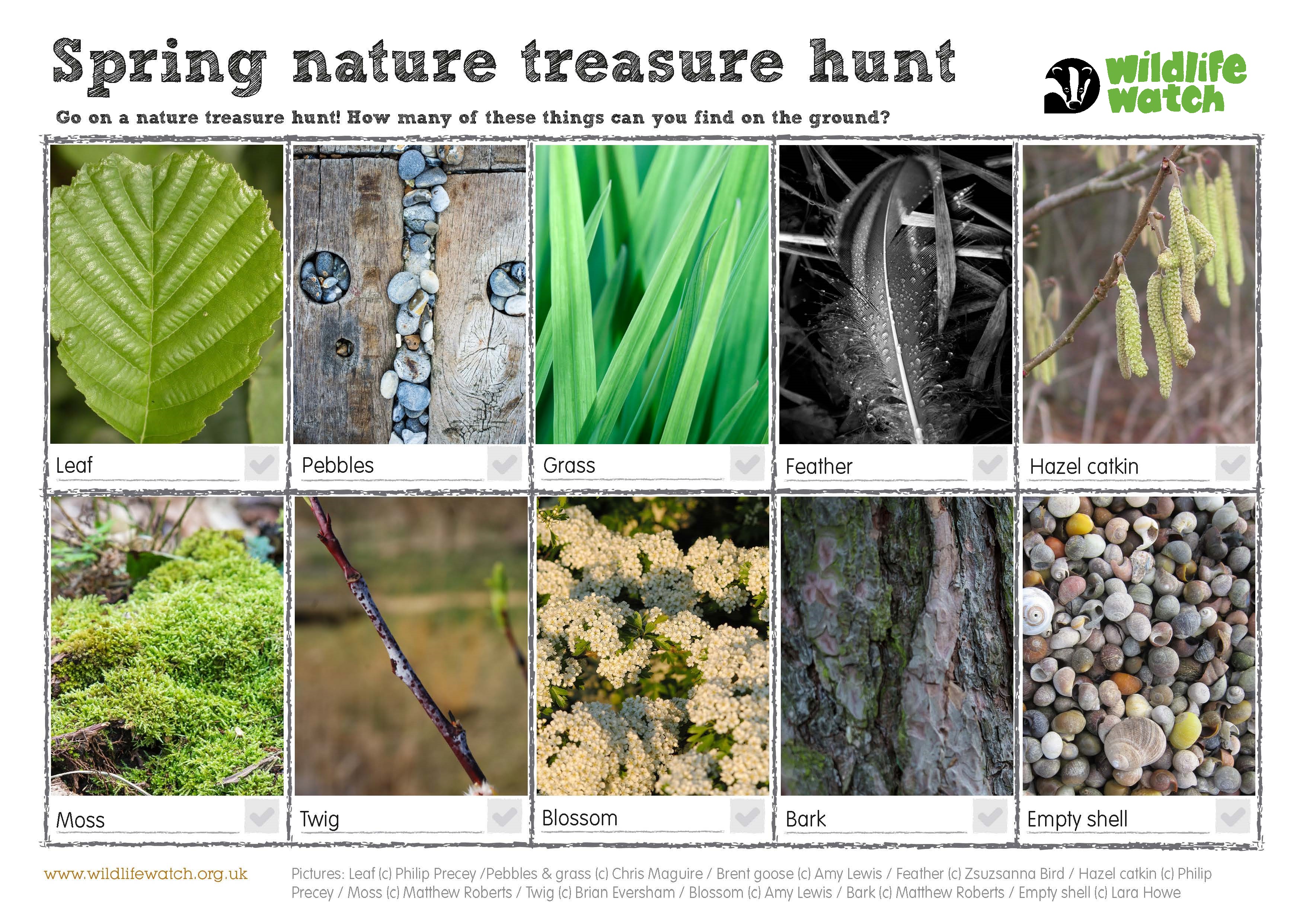
8. Spring nature treasures

Image: Wildlife Watch

Transform a nature walk into a treasure hunt with another fab printable from Wildlife Watch.
Find this activity here.

9. Grow seeds in eggshells

Warmer days are on the way so it’s the ideal time to plant some seeds, start growing some food and see some amazing science in action!

10. Make a bendy carrot

Make like a rabbit and experiment with carrots! Investigate osmosis from your kitchen table using two simple ingredients: carrots and salt.

Want to explain osmosis to kids? Here goes…
Water moves from an area of low salt to an area of high salt – balancing the water on both sides.

In this experiment, when a carrot is placed in very salty water, it will be less salty than the area around it. This causes the water in the carrot to move out of the carrot and into the cup. The result is that the carrot becomes limp and tastes saltier than before.

PS We agree with the end of this video – don’t eat the salty carrots!


Post Comment

Introduce a Girl to Engineering Day!

To celebrate Introduce a Girl to Engineering Day on the 25th February 2023, here are some fun and inspiring activities and interviews to share with the girls in your life. You never know, one might grow up to be an engineer!

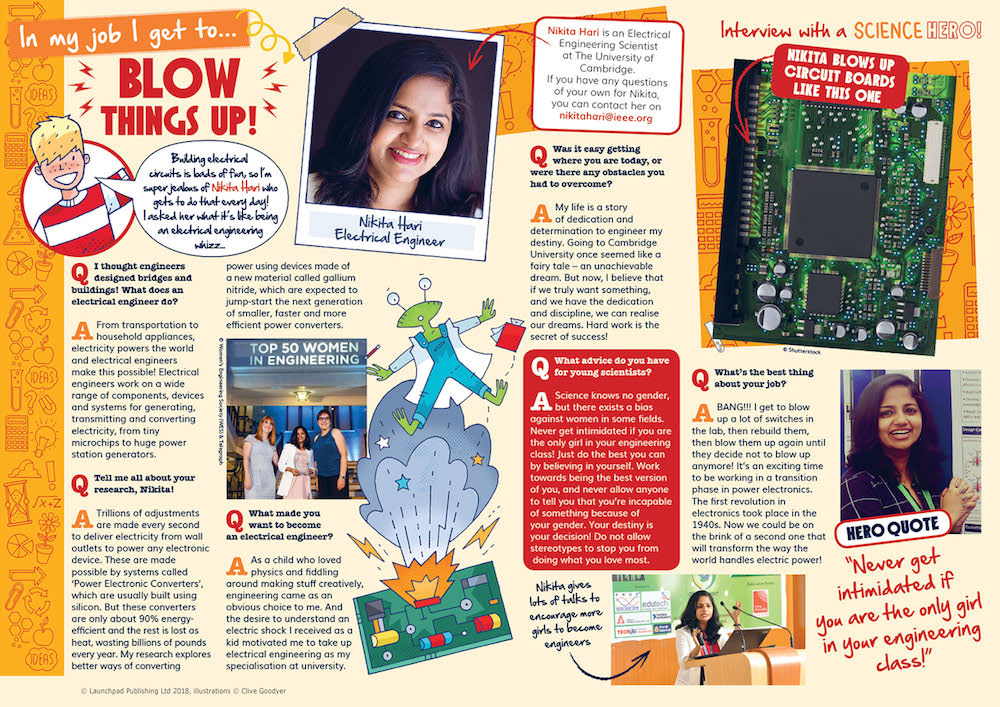
Reading comprehension: Electrical Engineer

Find out what it’s like to be an electrical engineering whizz with this inspirational interview with Nikita Hari. Includes the feature to print or to read on a tablet, as well as comprehension question and answer sheet.

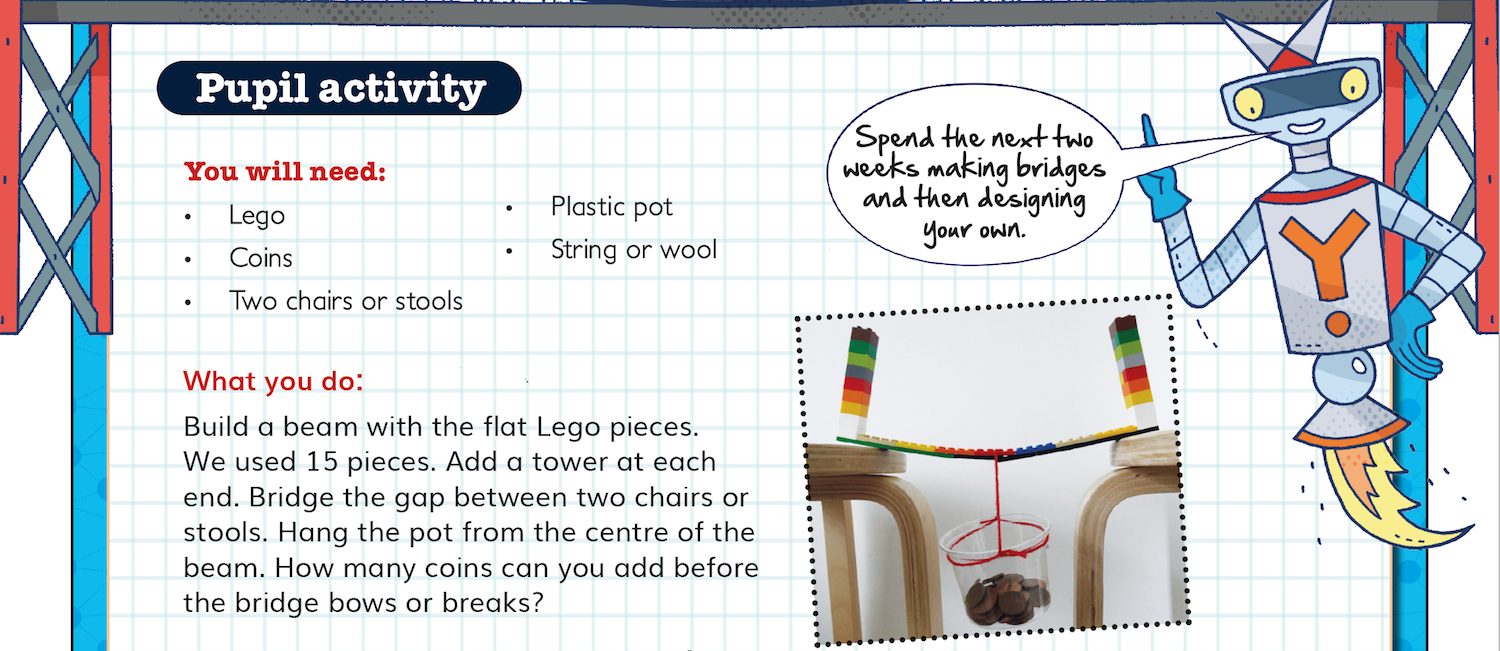
Engineering activity: Design your own bridge 

Get busy designing and building your own bridge and experiment to see how much weight it can hold!

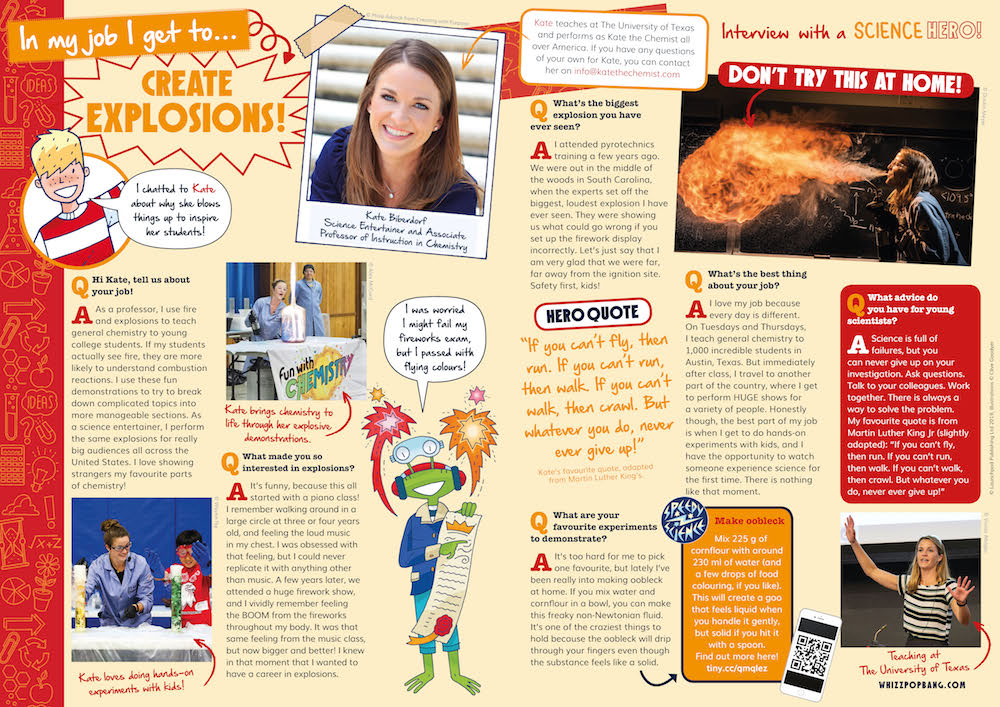
Reading comprehension: Explosions Engineer

Find out why Kate Biberdorf loves to blow things up to inspire her students! Includes the feature to print or to read on a tablet, as well as comprehension question and answer sheets.

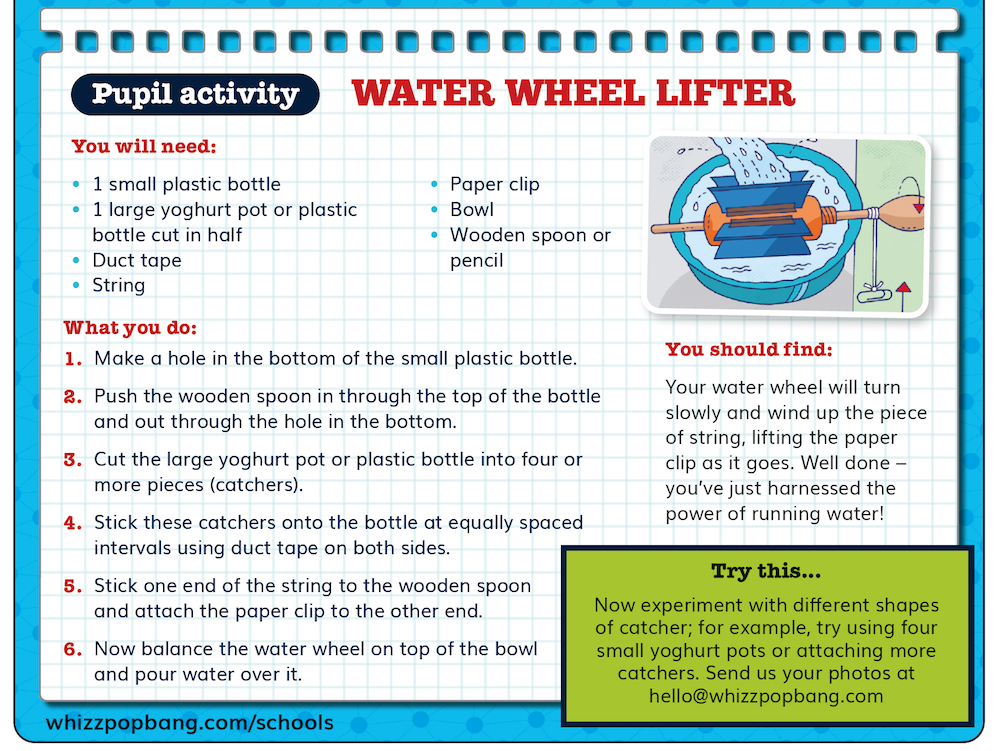
Engineering activity: Water wheel lifter

Can you lift a weight using the power of water? Try this fun science activity to find out!

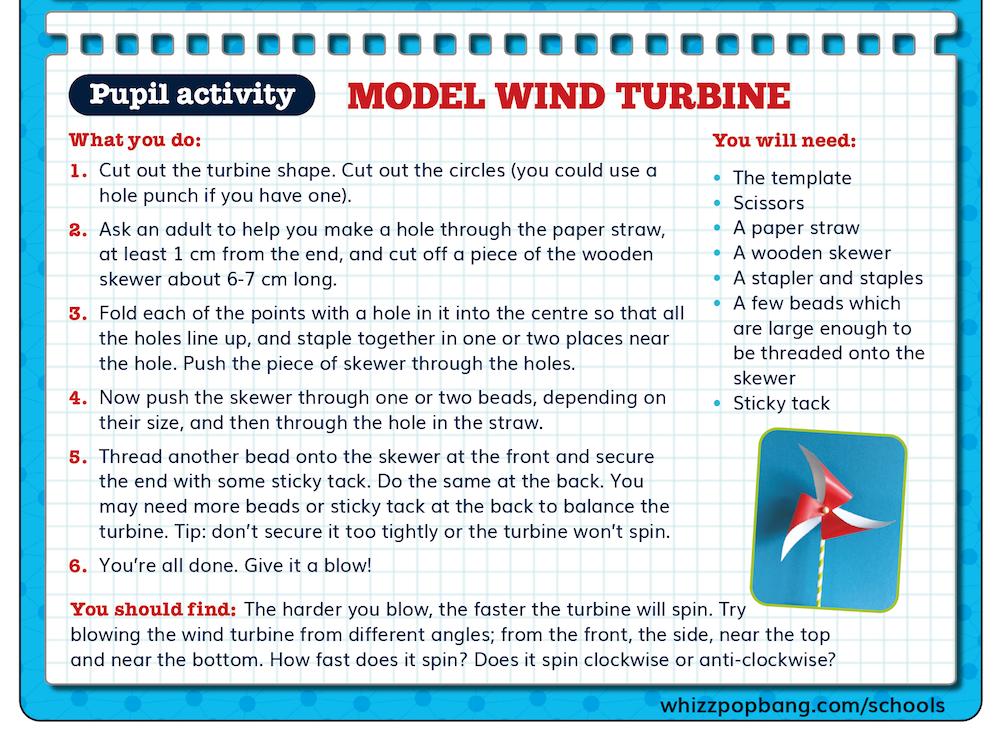
Engineering activity: Make a model wind turbine activity

Print, cut and craft a model wind turbine to try out in windy weather!

Want more engineering activities?

Subscribers to Whizz Pop Bang are automatically enrolled to the Y’s Wonder Club and can complete science challenges to earn collectible enamel badges!

Epic Engineer Badge
Think like an engineer to earn an Epic Engineer badge! Identify a problem, design a solution, get building, then test and improve your design. 

Click here to find out more… 


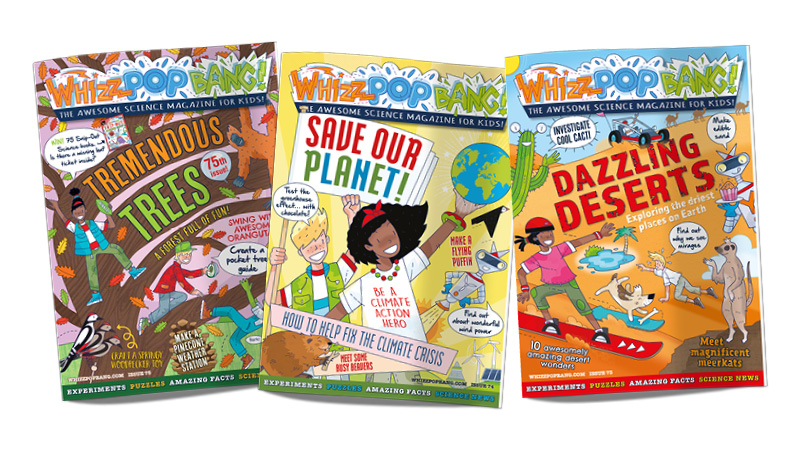
Fill your child with science wonder with a subscription to Whizz Pop Bang, the award-winning magazine for 6 to 12-year-olds. Watch their face light up with glee when their very own magazine zooms through the letterbox! Packed full of hands-on science awesomeness, it’s the gift that keeps of delighting, month after month.

Post Comment
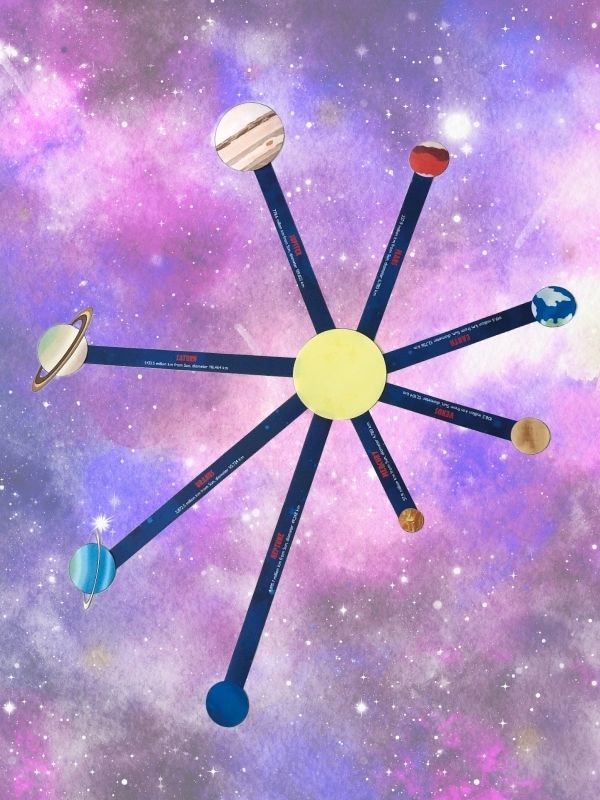
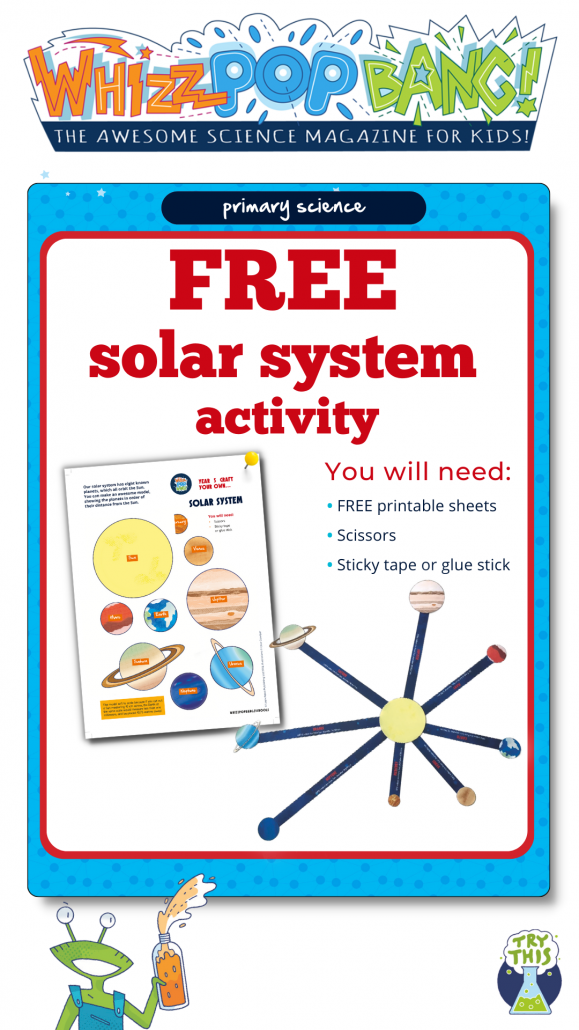
A cut out papercraft model of the solar system free to download

Free Solar System Craft for Kids: Make a Model of the Planets

Updated July 2026

Looking for a fun and easy way to help children learn about the planets? Download our free solar system printable and make your own model of the solar system at home or in the classroom.

This hands-on solar system craft for kids is a brilliant way to learn the names and order of the eight planets while practising cutting, sticking and following instructions.

A cut out papercraft model of the solar system free to download

Simply download the printable, grab some scissors and glue, and get ready for an out-of-this-world science activity!

Learn the order of the planets by making a model solar system. Just download, print, add scissors and glue, and your astronauts-in-training will do the rest. It’s out of this world! 

How to make your solar system model

You will need:

  • Our free solar system printable
  • Scissors
  • Glue

Download and print the activity sheet, then follow the instructions to cut out and assemble your model.

As children make their solar system, encourage them to identify each planet and put them in the correct order from the Sun.

The eight planets in our solar system are:

Mercury, Venus, Earth, Mars, Jupiter, Saturn, Uranus and Neptune.

Can your young scientist remember them all?

What will children learn from this solar system activity?

Making a model of the solar system helps children explore space science through a fun, hands-on activity.

Children can:

  • Learn the names of the eight planets
  • Discover the order of the planets from the Sun
  • Compare the different planets in our solar system
  • Practise cutting, sticking and following instructions
  • Build confidence with science vocabulary

It’s a simple activity for families, home educators and primary school teachers looking for an engaging way to introduce or reinforce learning about Earth and space.

What age is this solar system craft suitable for?

This activity is designed for children aged approximately 6 to 12.

Younger children may need some help with cutting and assembling their model, while older children can use the activity as a starting point for further investigations.

Try asking:
Which planet is closest to the Sun?
Which is the largest planet?
Which planets have rings?
Why is Earth the only planet known to support life?

Does this activity support the primary science curriculum?

Yes. This activity is particularly useful for children studying Earth and space in Year 5 science in England and P6 science in Scotland. 9 and 10 year olds till be taught about the solar system according the the National Curriculum for this year group.

The national curriculum includes learning about the movement of the Earth and other planets relative to the Sun and describing the Sun, Earth and Moon as approximately spherical bodies.

Making a solar system model gives children a memorable, hands-on way to practise identifying the planets and their order.

What is the order of the planets?

Starting with the planet closest to the Sun, the eight planets are:

Mercury → Venus → Earth → Mars → Jupiter → Saturn → Uranus → Neptune

Here’s a challenge for your young scientist: can they invent their own silly sentence to help remember the planets.

More space activities for kids

Did your young scientist enjoy making their solar system?

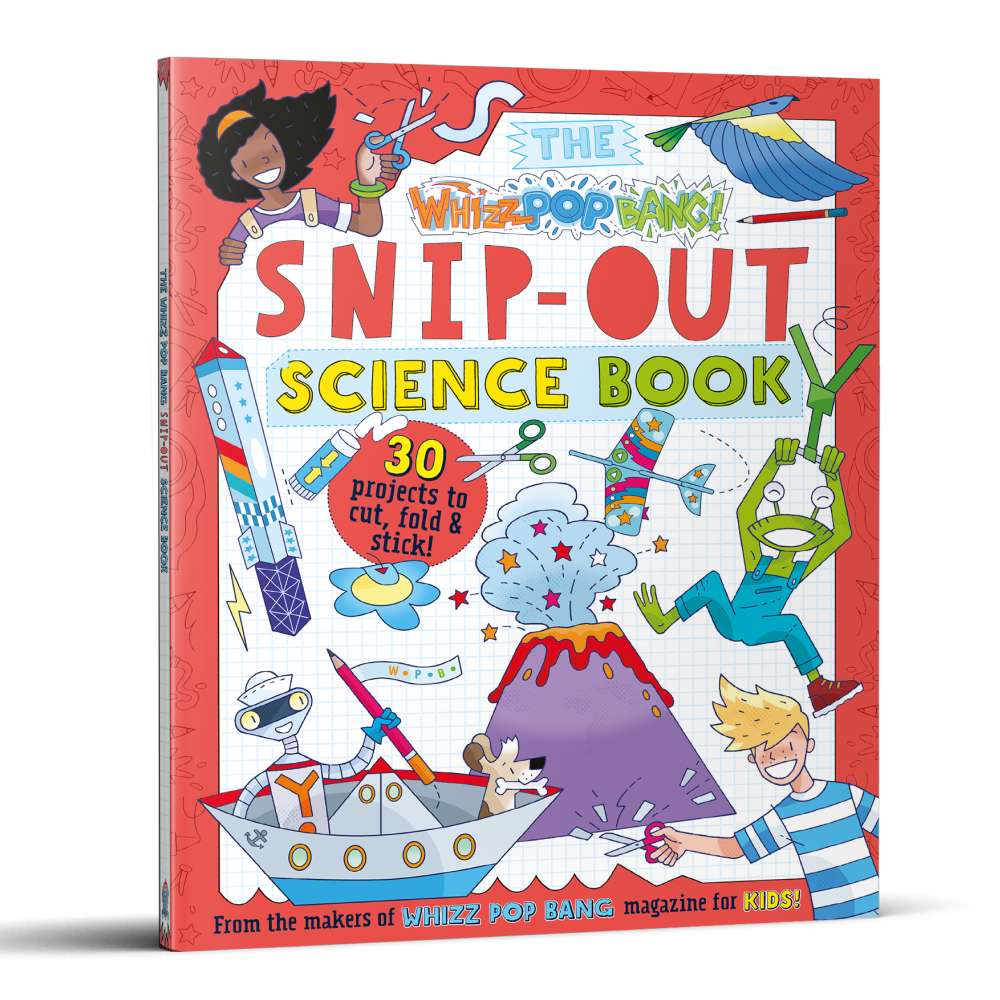
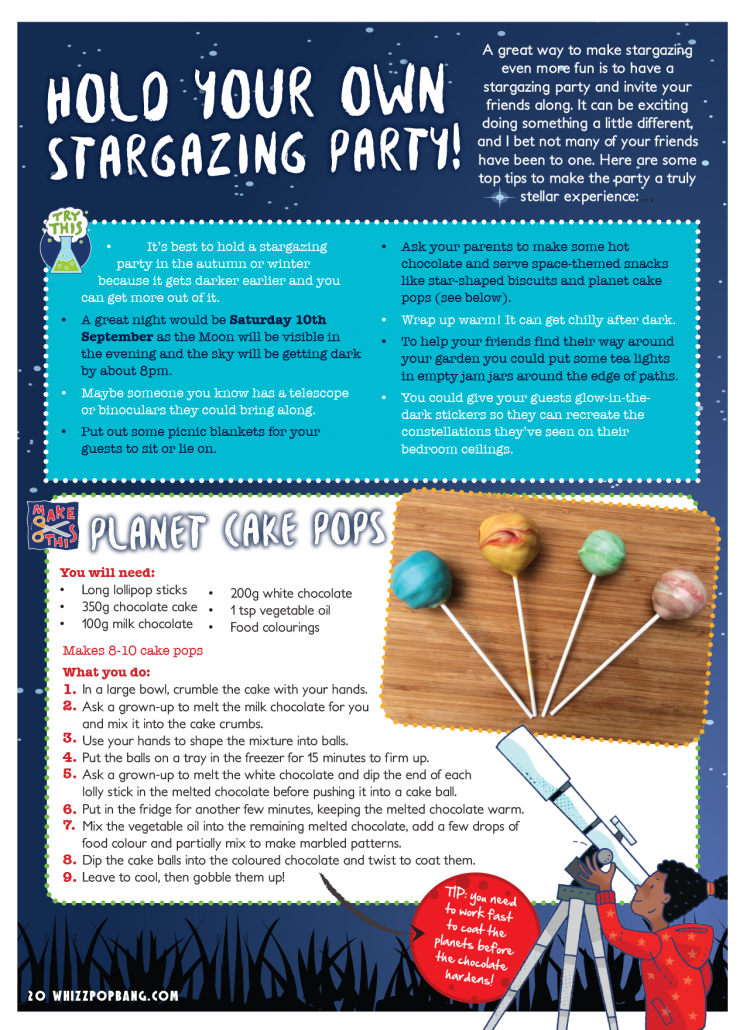
This activity comes from the Whizz Pop Bang Snip-Out Science Book, which is packed with paper-based science activities for curious kids.

You can also explore more free space activities, experiments and fascinating astronomy articles on the Whizz Pop Bang blog.

Discover Whizz Pop Bang magazine

Whizz Pop Bang is the award-winning science magazine for curious children aged 6–12.

Every month, young scientists can try hands-on experiments, discover fascinating facts, meet real scientists and explore everything from dinosaurs and space to the human body, animals and engineering.

Packed with screen-free activities, puzzles and competitions, Whizz Pop Bang makes science exciting and fun.

Subscribe to Whizz Pop Bang and give your child a new science adventure every month!

Find loads more science activities, puzzles and games in our award-winning monthly kids science magazine, Whizz Pop Bang!


Did your mini-scientist enjoy this activity? This is just one of the many fun paper craft activities from the Whizz Pop Bang Snip-Out Science Book. Click the image below to discover how much more fun your budding scientist can have with this book!

Fill your child with science wonder with a subscription to Whizz Pop Bang, the award-winning magazine for 6 to 12-year-olds. Watch their face light up with glee when their very own magazine zooms through the letterbox! Packed full of hands-on science awesomeness, it’s the gift that keeps of delighting, month after month.

Post Comment

Fold a static-powdered boat

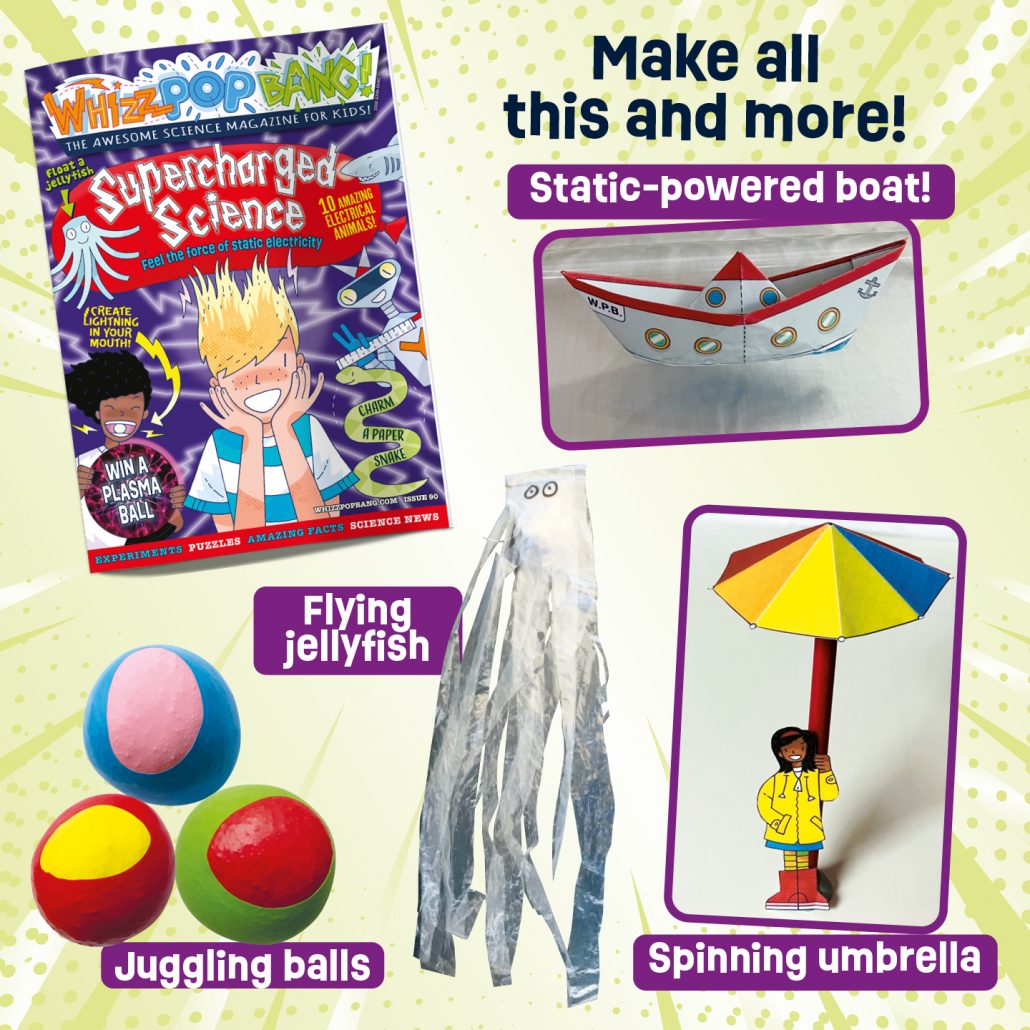
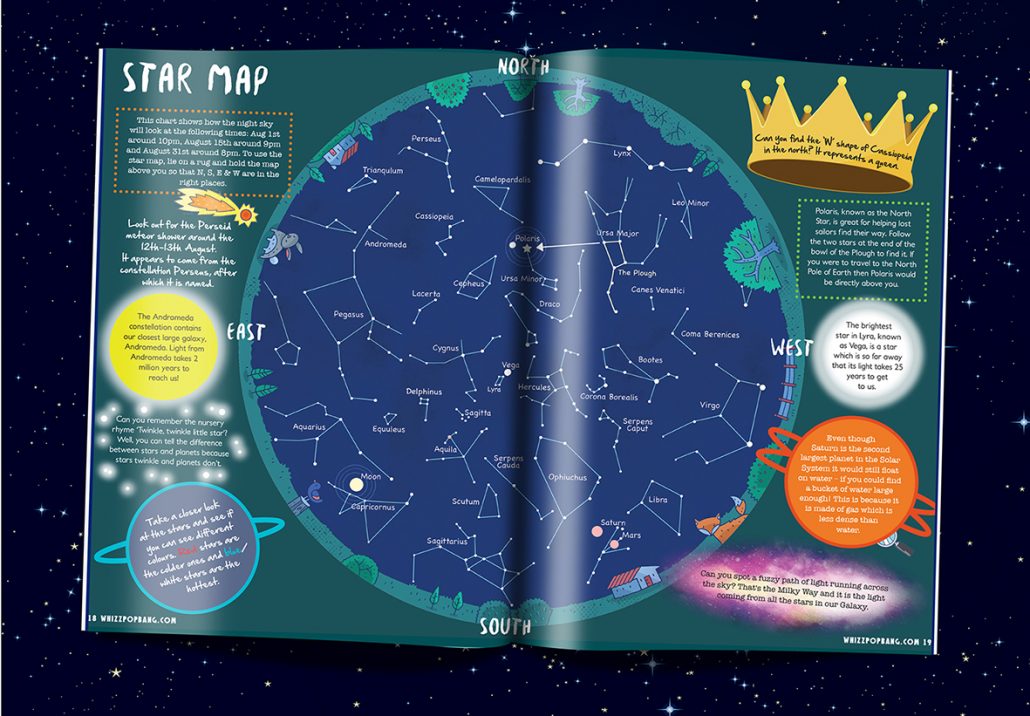
In issue 90: SUPERCHARGED SCIENCE, you can cut out and fold a floating boat and then make it move using a static charge!

Here’s a video showing you how to fold the boat:

Fill your child with science wonder with a subscription to Whizz Pop Bang, the award-winning magazine for 6 to 12-year-olds. Watch their face light up with glee when their very own magazine zooms through the letterbox! Packed full of hands-on science awesomeness, it’s the gift that keeps of delighting, month after month.

Post Comment

FREE science activity – make a stunt plane!

Whizz Pop Bang is the awesomely amazing (and award-winning!) science magazine for kids aged between 6 – 12. We want to inspire the scientists of the future with our monthly magazine! We know that sometimes you just want a bit more science to get your teeth into, so here’s a FREE activity that your scientists-in-training will love to cut, fold and launch!

Our experiments are designed for children aged 6 to 12, but this one is especially appropriate for year 5, P6 (Scotland), and children aged 9 and 10, as it relates to the subject of the forces that will be covered in this school year’s National Curriculum.

Find loads more science activities, puzzles and games in our award-winning monthly kids science magazine, Whizz Pop Bang!


Did your mini-scientist enjoy this activity? This is just one of the many fun paper craft activities from the Whizz Pop Bang Snip-Out Science Book. Click the image below to discover how much more fun your budding scientist can have with this book!

Fill your child with science wonder with a subscription to Whizz Pop Bang, the award-winning magazine for 6 to 12-year-olds. Watch their face light up with glee when their very own magazine zooms through the letterbox! Packed full of hands-on science awesomeness, it’s the gift that keeps of delighting, month after month.

Post Comment

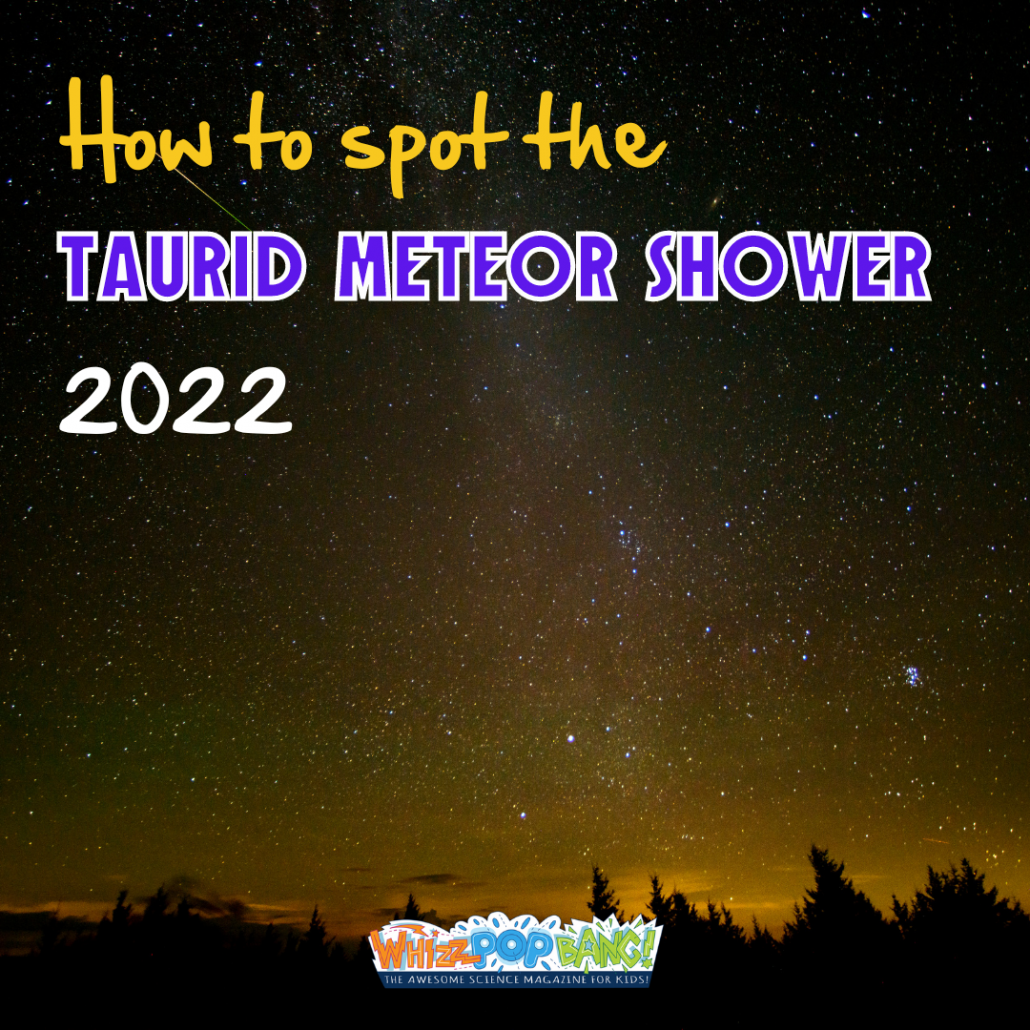
How to spot the Taurid meteor shower 2022

The Taurid meteor shower has begun and is due to peak in the UK in the very early hours of Sunday 13th November 2022. Although the Taurids aren’t known for an impressive, dramatic display they do provide a regular sprinkle of meteors throughout October and November so lots of opportunities to spot a shooting star! 💫
When the Earth moves through debris left from passing comets, those particles burn up from the friction with the air when they pass into our atmosphere and create beautiful shooting stars. In the case of the Taurids, the debris is left by the Comet Encke.

Follow these tips from the Royal Observatory in Greenwich for the best chance of meteor-spotting.

For full information about the Lyrids meteor shower, head to this article on the Royal Museums Greenwich website.

☄️Find a dark site with an unobstructed view of the sky.
☄️The best time to see the shower is in the early morning of the peak day, which this year is the morning of the 13th November (the night of the 12th November).
☄️Fill your view with the sky and wait! Lying on the ground is a great way to see as much as possible.
☄️The Taurids are not particularly dramatic but they are wide spread so keep your eyes peeled.
☄️Blanket optional but highly recommended. Reclining deckchairs make an even more comfortable way to view the sky.
☄️Remember to wrap up warm!

Image: Canva


Post Comment

COMPETITION CLOSED: WIN a bumper bundle of gifts!

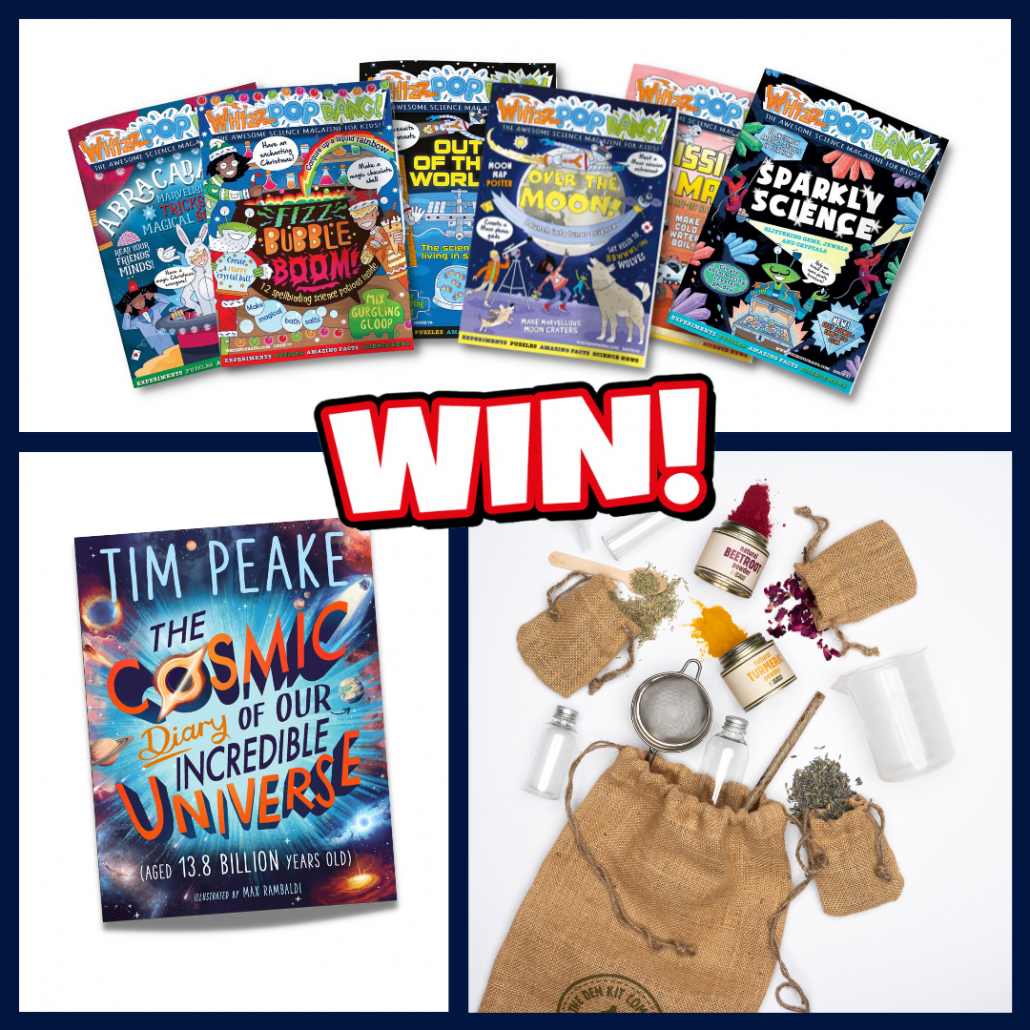
📣 We’re super excited to announce that we’ve teamed up with Den Kit Company and Tim Peake for October’s online competition which we are running on Instagram and Facebook only! Head over to our socials to find out how to win this bumper prize! ⭐

You could win:

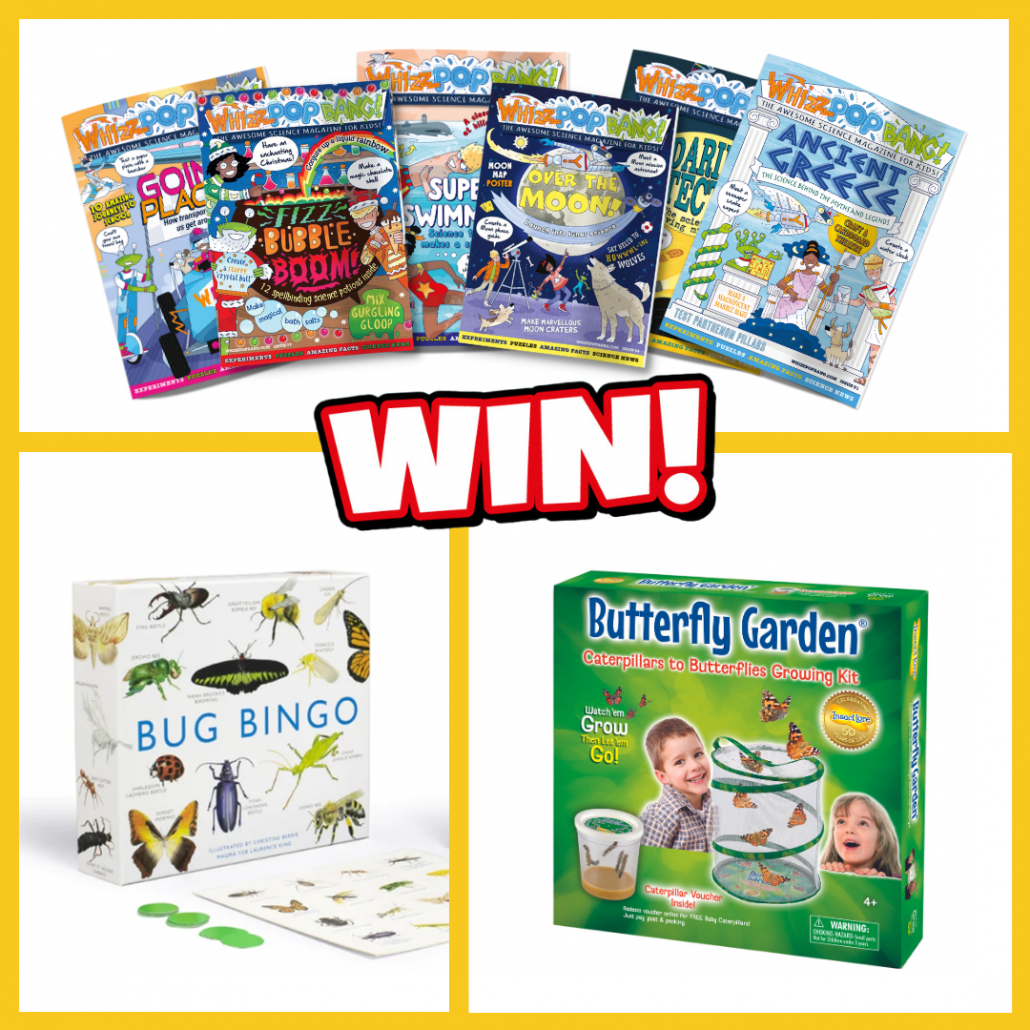
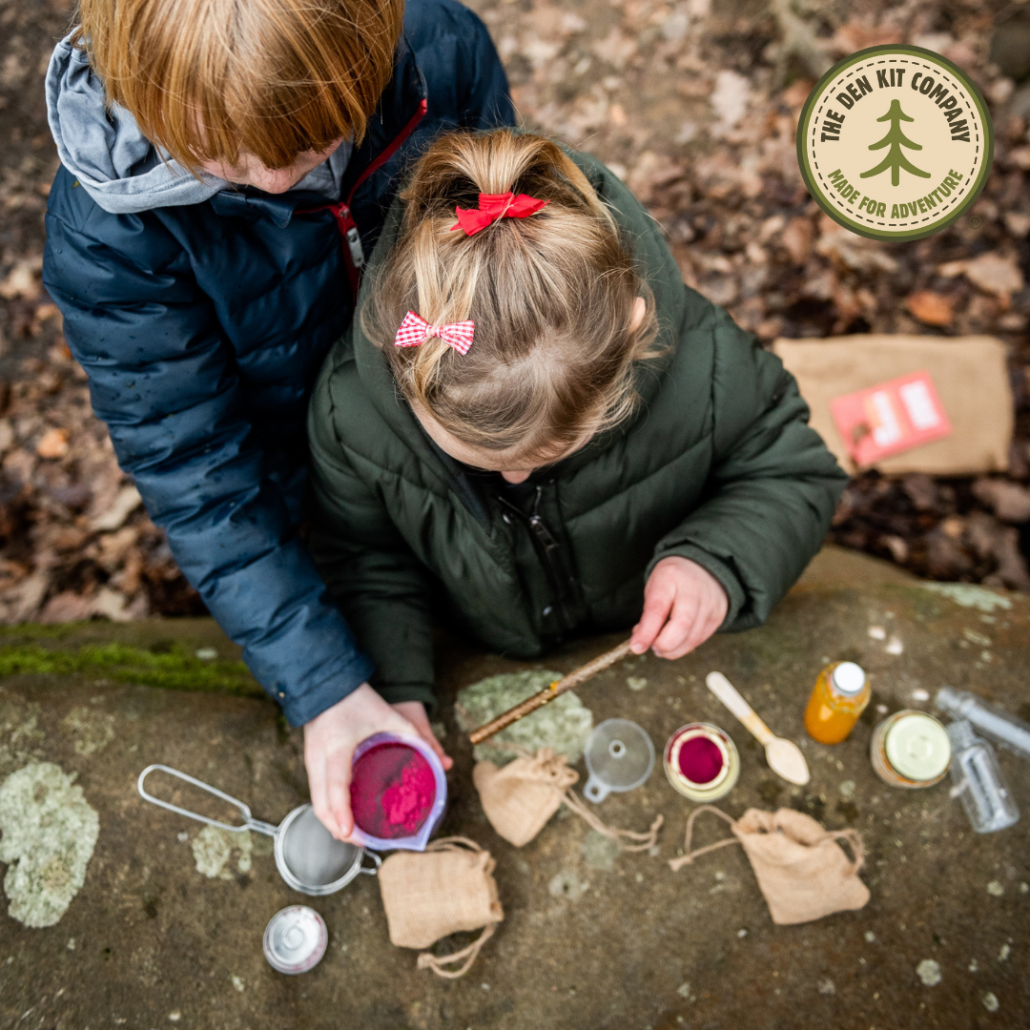
⭐ The new Potions Making kit from Den Kit Company. Take your Potion Making Kit on an outdoor adventure and collect any special petals, leaves, grasses or soil to create a marvellous mixture of your own making. Add a pinch of natural colour, a splash of water, a sniff of sunshine – and just imagine the spells you could cast. Find it here.

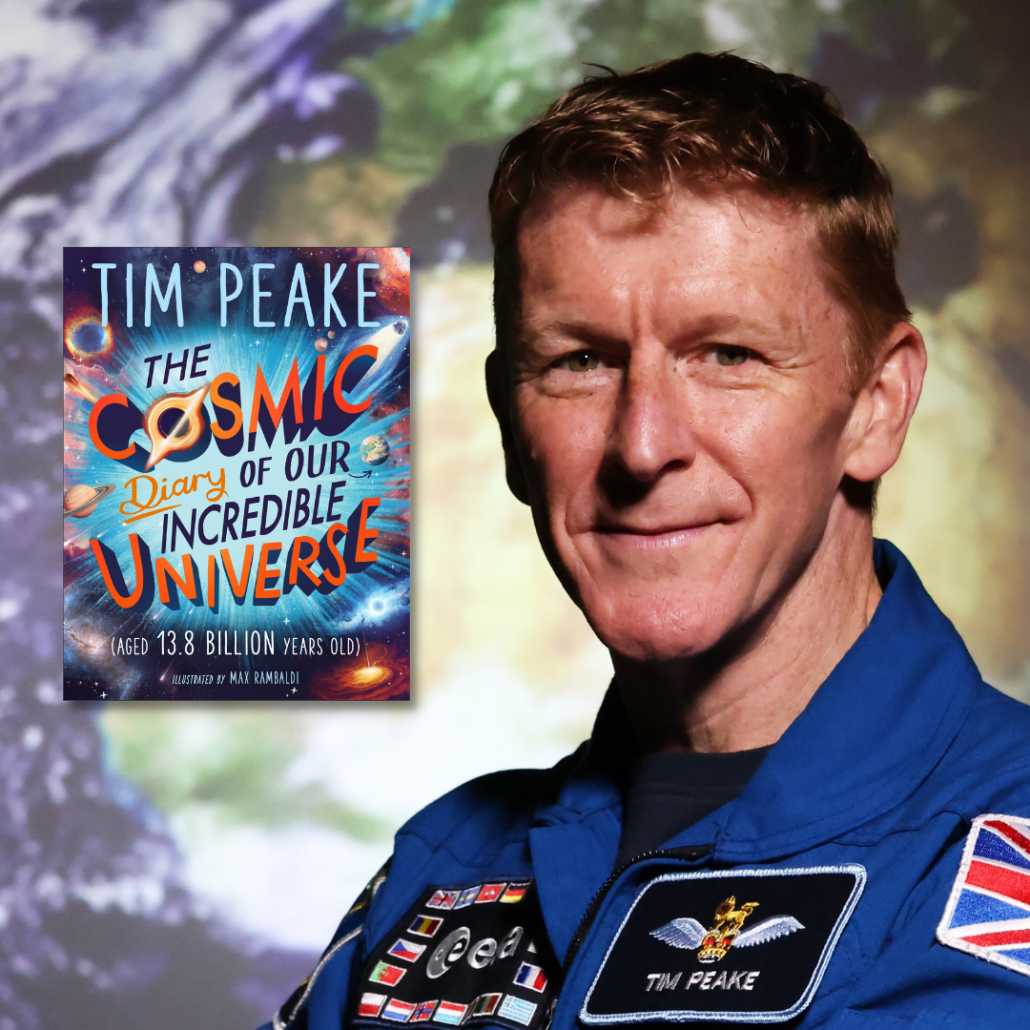
⭐ Astronaut Tim Peake’s brand new book – A Cosmic Diary of our Incredible Universe. Are you bursting to know the answers to REALLY BIG questions? Like, how are stars made? What will we find in a black hole? Which fruit can create antimatter? What even IS antimatter? Put on your seatbelts and blast into space with your guide, astronaut Tim Peake (and a host of expert STEM characters) in this fascinating adventure through space, time and the diary of our truly incredible universe. Find it here.

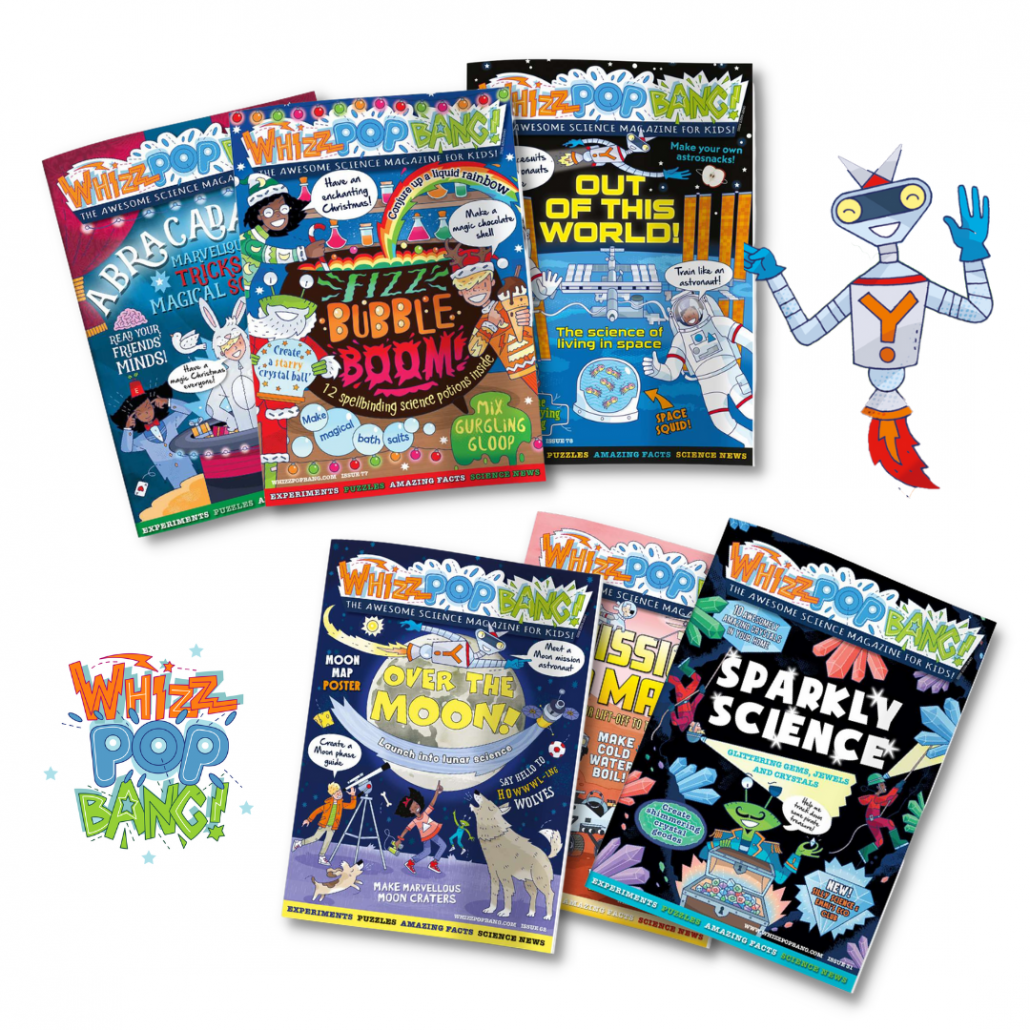
⭐ A bumper bundle of 6 magically intergalactic issues of Whizz Pop Bang magazines that will have any scientist-in-training zooming to the Moon and cooking up peculiar potions, all with items you will probably find you already have in your kitchen cupboard. Each issue is jam-packed with science news, fun makes, puzzles, jokes and more!

To enter this competition please head over to Facebook or Instagram to find out more!

T&C’s: This giveaway closes at midnight on Monday 31st October 2022. One winner will be selected at random from all entries via Facebook and Instagram and will be contacted in the first week of November. This competition is open to UK residents only. Winner will be informed via the original comment you made on the appropriate platform and will be from @whizzpopbangmag – please be wary of scams, do not give personal details or follow any links from other accounts. For full terms and conditions visit http://buff.ly/3ij98Q3?fbclid=IwAR0eEqSY-V9JtUvvaYsKhjvmSRBURmapUOmYBaR7hl5XESRIS3hdqsWTqHI. This competition is in no way affiliated, endorsed, sponsored or administered by Instagram or Facebook.


Post Comment

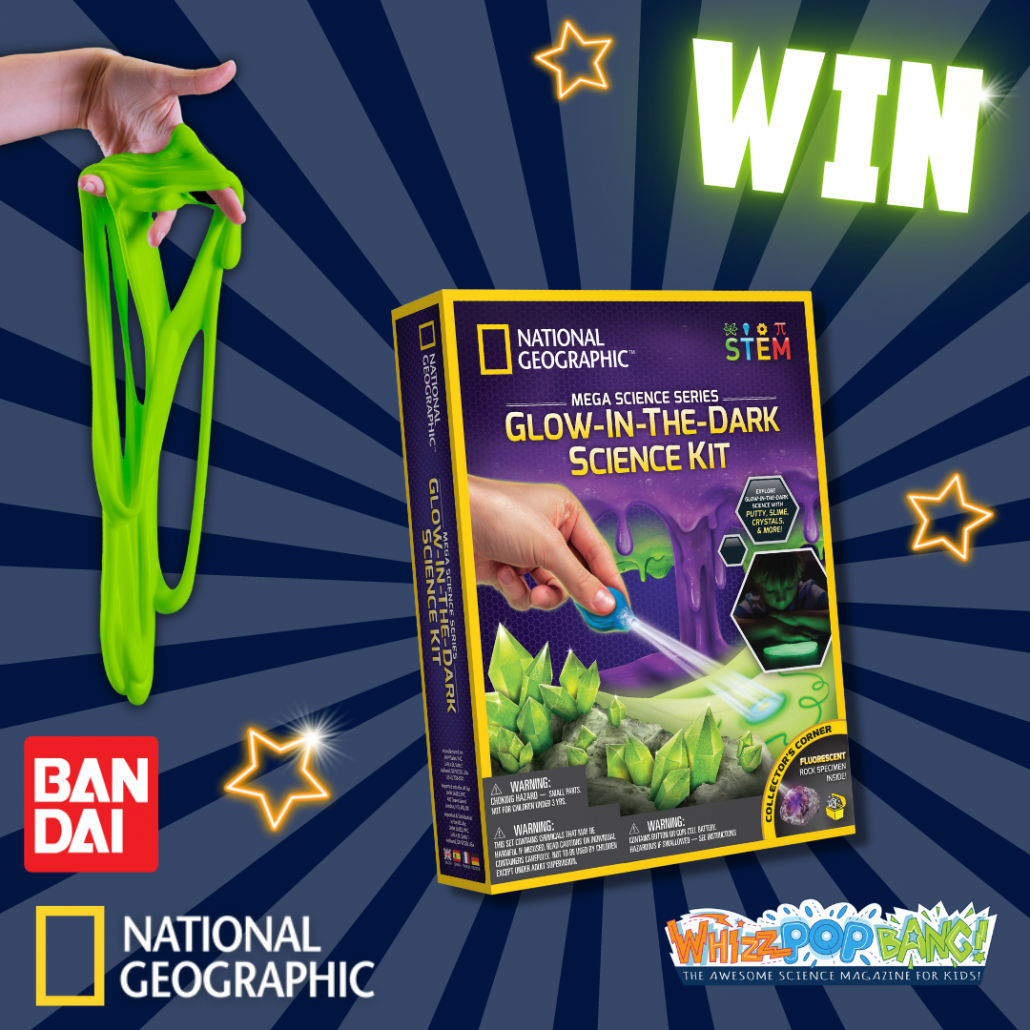
COMPETITION CLOSED: WIN a Glow-in-the-Dark Mega Science Kit!

Explore glow-in-the-dark science with PUTTY, SLIME, CRYSTALS AND MORE!

Inquisitive minds will love discovering the world of glow-in-the-dark by making glowing slime and growing their own crystals!

The National Geographic Glow-in-the-Dark Mega Science Kit is an astounding collection of experiments and activities that all glow when the lights are out!

There is so much included in this Mega Kit: one glowing crystal seed, two DIY slime powders in glowing green and glowing purple, two slime containers, one glowing putty in a storage tin, one wernerite rock, one UV light, and a full-colour learning guide that takes you through each experiment step by step.

To win one of THREE kits, answer this question in the comments:

What is the name of the gel used for growing bacteria in petri dishes?


A) Agar
B) Ajar
C) Afar

This competition closes at midnight on Friday 30th September 2022. For full terms and conditions visit whizzpopbang.com/terms-and-conditions

Thanks to Bandai, National Geographic and Playtime PR for this brilliant prize!


Post Comment

COMPETITION CLOSED: WIN a GEOMAG Magnetic Construction Set!

We’ve got four epic construction sets to give away from Geomag!

Use the strength and energy of the Geomag magnets and spheres to build crazy spinning tops and suspended models that will spin for ages. Put your building and spinning skills to the test with this Geomag E-Motion Magnetic Construction Set! Plus, they are made from recycled plastic!

For your chance to win, simply answer this question in the comments:

What type of vehicle is the Gossamer Albatross?

a) Bicycle
b) Boat
c) Plane

This competition closes at midnight on 31st August 2022. For full terms and conditions visit whizzpopbang.com/terms


Post Comment

Make a drawing float!

Watch a drawing of a stick person float! The whiteboard pen drawing floats because the ink is less dense than the water.

Use a dry-erase (whiteboard) marker with non-soluble ink, draw a swimming stick figure onto a smooth, shiny plate (test it on the back first to make sure it doesn’t stain the plate!). After about 10 seconds, pour water onto the plate VERY slowly (away from the drawing) – and your swimmer should lift off the plate and swim around! The drawing floats because the ink is less dense than the water.

This super easy and fun experiment for kids is from Whizz Pop Bang 84: SUPER SWIMMERS where you can find bucket-loads more science fun!


Post Comment